
Huawei is expanding its AI-computing roadmap despite Western technology restrictions, increasing pressure on the assumption that export controls can permanently freeze China’s progress. The immediate headline is important, but the larger story is how the event changes the operating assumptions around Huawei AI chips.
What happened
Huawei has outlined additional AI-chip products and said demand for its AI computing equipment exceeds supply. Reuters has reported that the company is building a broader domestic computing stack as it competes in a market shaped by Western technology controls.
Why the development matters
Chip capability is not defined only by peak specifications. Manufacturing yield, memory bandwidth, networking, software libraries, power efficiency and the ability to deploy systems at scale all determine whether hardware is commercially useful.
The engineering constraint
The most useful way to read this development is through system constraints. Performance at the component level matters, but commercial scale depends on power, networking, software, cooling, supply chains and capital arriving at the same time. That systems view separates a technically impressive demonstration from infrastructure that can be deployed repeatedly at economic scale.
The deeper signal
Huawei’s progress matters even if its chips do not match every Nvidia metric. A viable domestic stack can reduce China’s dependence on imported accelerators and create an alternative ecosystem optimized around locally available hardware.
Why markets and operators will care
A single announcement rarely changes an industry by itself. What matters is whether it alters cost, capacity, risk allocation or the speed at which competitors must respond. That is why this story is best tracked through measurable follow-through rather than headline momentum. Capital spending, utilization, financing terms, regulatory filings and counterparties' behavior can confirm whether the change is becoming structural.
What to watch next
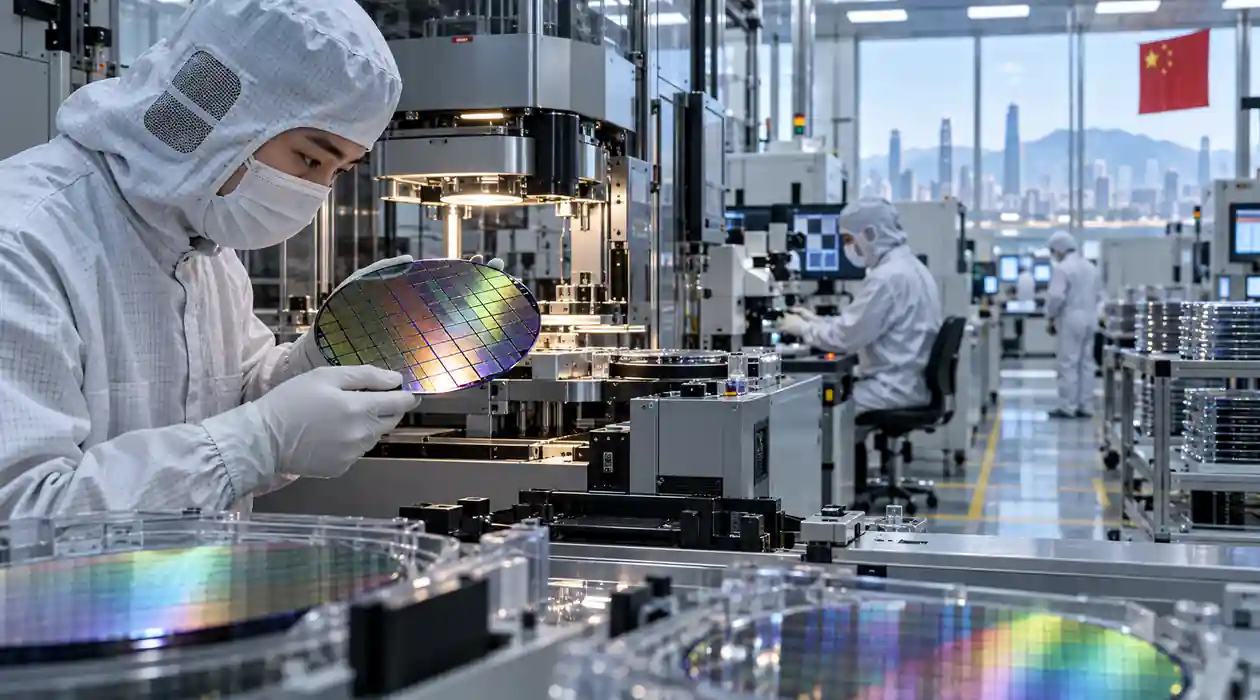
Focus on shipment volumes, manufacturing capacity, software compatibility and system-level performance rather than headline chip comparisons alone.
Bottom line
The core NexusWild takeaway is not a prediction. It is that Huawei AI chips now has a clearer set of measurable constraints and catalysts. The next update should be judged against those indicators, with new claims separated from confirmed data.
Reader questions
Frequently asked questions
What happened in the Huawei AI chips story?
Huawei has outlined additional AI-chip products and said demand for its AI computing equipment exceeds supply. Reuters has reported that the company is building a broader domestic computing stack as it competes in a market shaped by Western technology controls.
Why does this development matter?
Chip capability is not defined only by peak specifications. Manufacturing yield, memory bandwidth, networking, software libraries, power efficiency and the ability to deploy systems at scale all determine whether hardware is commercially useful.
What is the key technical or financial issue?
Huawei’s progress matters even if its chips do not match every Nvidia metric. A viable domestic stack can reduce China’s dependence on imported accelerators and create an alternative ecosystem optimized around locally available hardware.
What should readers monitor next?
Focus on shipment volumes, manufacturing capacity, software compatibility and system-level performance rather than headline chip comparisons alone.
Nexuswild welcomes factual corrections. Email [email protected] with evidence and the article URL.