
India registered 35,777 electric cars in October 2026, nearly double the 18,055 recorded a year earlier, according to data from the government's Vahan portal reported on November 1 and 2. Electric cars made up about 7% of passenger vehicle sales, up from 3.2% a year ago.
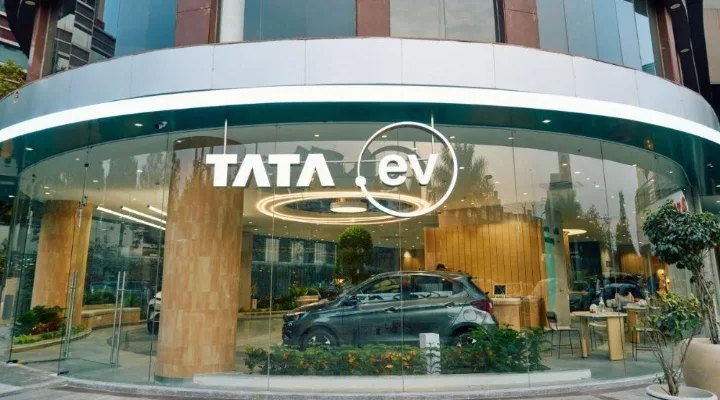
Tata Motors led with a 40.7% share, followed by Mahindra & Mahindra at 23.7% and JSW MG Motor India at 16.4%. Kia's electric sales more than doubled on the Syros EV, while BYD's share fell as competition grew.
At a glance
| Measure | October 2026 |
|---|---|
| Electric car registrations | 35,777 (18,055 in October 2025) |
| Share of passenger vehicle sales | About 7% (3.2% a year earlier) |
| Tata Motors / Mahindra / JSW MG | 40.7% / 23.7% / 16.4% |
| Electric two-wheeler registrations | 223,847, up 48% |
A year already ahead of last year
Registrations from January to October reached 287,453, already above the 176,817 electric cars sold in all of 2025, according to Indian Opinion's summary of the data. A separate Vahan-based report gives 280,460 for the period, so the year-to-date figure depends on how it is counted.
The pace is faster than in the previous financial year. FADA retail data, compiled by EVSelect, showed about 199,590 electric cars sold in the year to March 2026, up 84%, or about 4.25% of passenger vehicles.
What is behind it
Reports attribute the rise to higher fuel prices amid geopolitical tensions, more charging points and a wider range of models. The IMF projected global oil prices in 2026 at an average of $89 a barrel, 32% above 2025. That is a global figure and does not describe India's pump prices.
The tax backdrop cuts the other way. In September 2025, India cut taxes on small cars to 18% from 28% and on large SUVs to 40% from about 50%, Reuters reported. Conventional cars became cheaper, yet electric registrations still nearly doubled.
The wider market is less clear
Two data sources paint different pictures of the overall market in October. Fortune India's summary put passenger vehicle wholesales at about 5.25 lakh units, up nearly 14%. A Vahan-based summary from Flash Finance put car registrations at 467,494, down 15.0% from October 2025. The cause of the gap is not independently verified, and wholesale and registration data measure different stages of a sale.
How far is 7%?
The contrast with two years ago is sharp. In 2024, Reuters reported that Tata Motors sold just 4,086 electric cars in August, down nearly 15% from a year earlier, in a fourth straight month of annual decline. Electric cars were then about 2% of annual car sales, and analysts blamed high prices and a lack of charging facilities. In September 2024, MG Motor launched the Windsor EV at ₹9.99 lakh with a battery rental plan, a pricing approach aimed at making electric cars more affordable.
The government has targeted a 30% EV share of new car sales by 2030, according to a 2024 Reuters-based report, and research firm Counterpoint forecast in 2024 that EVs would reach nearly a third of India's personal vehicle market by that year. Both are goals and forecasts made before the current growth.
India's roughly 7% compares with about 25% for global electric car sales in 2025, according to the IEA's Global EV Outlook 2026 as cited by a reference summary. India's market is also different: its car sales are dominated by small, low-priced conventional cars, and electric two-wheelers are far more numerous.
Brand concentration is high. The top three brands accounted for about 80.8% of electric car registrations in October, by this article's sum of the reported shares. Tata's share of the segment fell from about 53% to about 39% in the last financial year as rivals entered.
What would make it a turning point
No source reviewed defines a turning point. The measures that matter are observable. They include whether the share keeps rising after a single strong month, whether growth holds when festive-season timing and fuel prices change, whether prices and charging narrow the gap with conventional cars, and whether sales broaden beyond a few brands and models. One month of data cannot answer these.
What is known and what is not
What is known: October registrations nearly doubled, the share is about 7%, and registrations this year have already passed last year's total. What is not known is why overall car numbers differ between sources, how much fuel prices rather than new models drove the increase, and whether the pace continues.
Nexuswild welcomes factual corrections. Email contact@nexuswild.com with evidence and the article URL.