
Micron’s latest results have reinforced confidence in the AI hardware boom, but investors are beginning to ask whether soaring memory demand can sustain its extraordinary pace.
Artificial intelligence has spent much of the past few years changing the way people think about software. Now it is changing the economics of memory.
Micron Technology has become one of the clearest beneficiaries of that shift, with strong demand for memory used in artificial intelligence infrastructure giving global semiconductor stocks another reason to rally.
The company disclosed roughly $32 billion in long-term supply commitments linked to powerful demand for advanced memory, according to Reuters. The news helped lift technology shares across several major Asian markets as investors took it as another sign that spending on AI infrastructure remains unusually strong.
The important story, however, is bigger than one chipmaker.
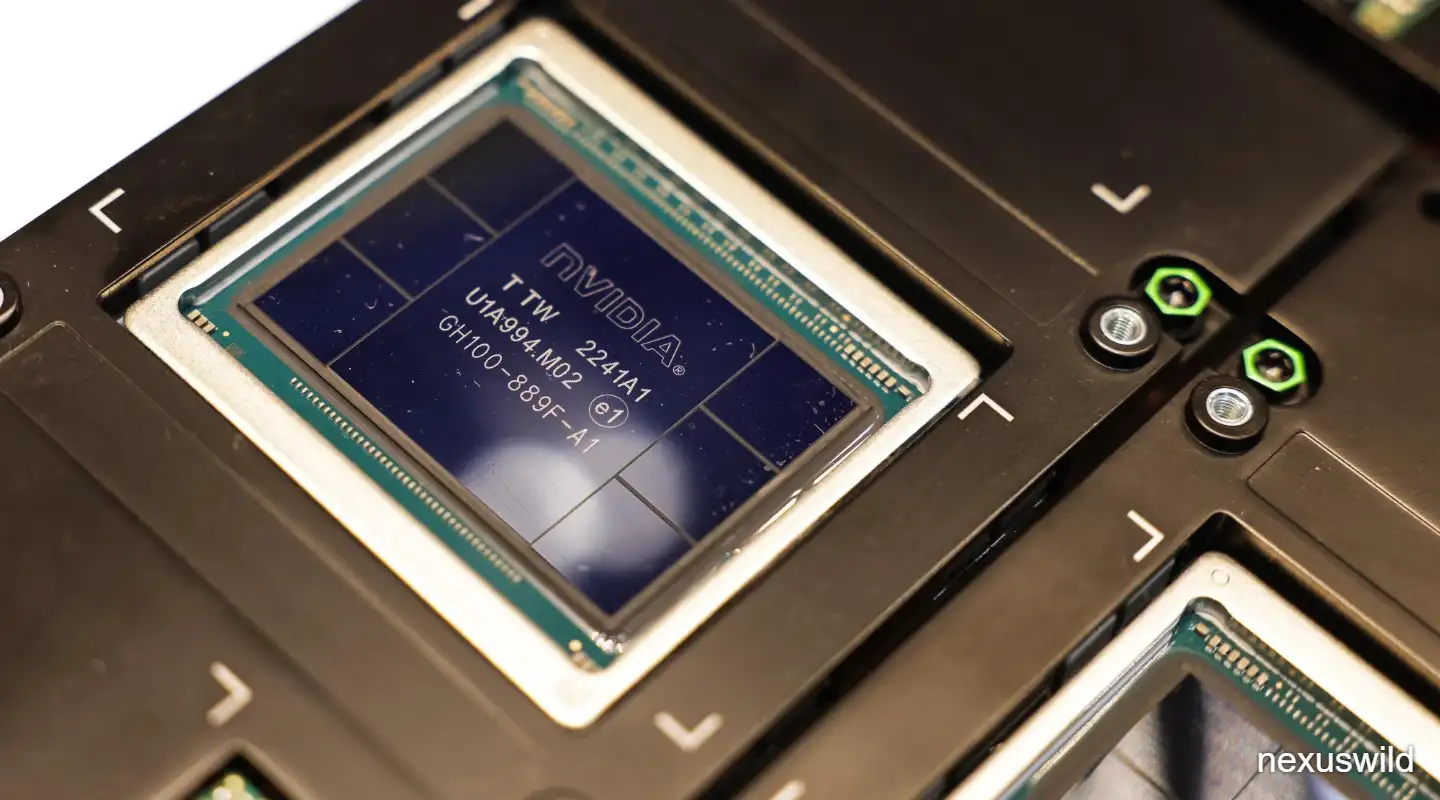
Generative AI systems require enormous amounts of computing power. Nvidia and other processor manufacturers have traditionally occupied most of the spotlight because their accelerators perform the heavy mathematical work involved in training and running AI models.
But processors cannot work efficiently in isolation.
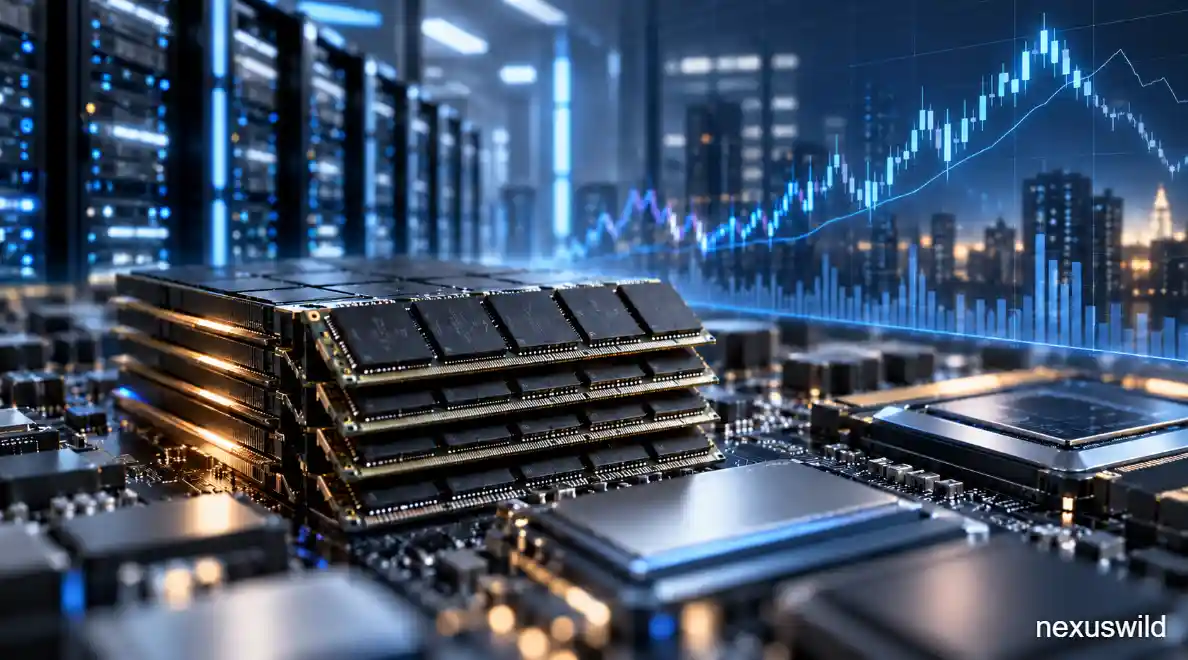
They need exceptionally fast memory capable of feeding large quantities of data to those processors without creating bottlenecks. That has turned high-bandwidth memory, or HBM, into one of the most strategically important components inside modern AI data centres.
For memory manufacturers, this has changed what was once considered a notoriously cyclical industry.
Traditional memory markets have historically swung between shortage and oversupply. Manufacturers would expand production when prices were strong, only to discover later that too much capacity had entered the market.
AI is complicating that familiar pattern.
Cloud providers, AI companies and technology groups are building increasingly powerful computing clusters. Each new generation of accelerators can require more memory, while larger AI models create additional pressure on data-centre infrastructure.
That has given memory suppliers greater visibility into future demand than they enjoyed during many previous technology cycles.
Still, investors are beginning to distinguish between strong demand and unlimited demand.
Questions are emerging over whether the current memory shortage could eventually peak as manufacturers invest billions of dollars in additional production capacity. Semiconductor factories take years to build and qualify, but today's shortages can become tomorrow's oversupply if demand cools unexpectedly.
That concern matters because expectations around artificial intelligence are already extremely high.
AI-related companies have attracted enormous amounts of capital. Data-centre spending has helped support technology shares, industrial investment and even parts of the wider global economy.
When expectations rise this quickly, good results sometimes stop being enough. Companies must continually demonstrate that demand is accelerating faster than markets have already assumed.
There is another pressure point: interest rates.
Strong technology earnings have recently competed with rising government bond yields for investors' attention. Higher yields make distant corporate profits less valuable in today's terms and can reduce the premium investors are willing to pay for rapidly growing technology companies.
That tension helps explain why an excellent quarter from a chipmaker does not automatically translate into an equally enthusiastic broader market.
Micron sits at the intersection of these two forces.
On one side is a powerful structural shift toward artificial intelligence infrastructure. On the other is a financial market becoming increasingly sensitive to valuations, borrowing costs and the durability of corporate investment.
For businesses building AI products, the lesson is equally important.
The competitive race is no longer only about who has the best model. Increasingly, it is about who can secure the processors, memory, electricity and data-centre capacity required to operate those models economically.
That makes memory chips less glamorous than the AI assistants consumers interact with, but potentially just as important.
Micron's current momentum therefore tells us something broader about the AI economy.
The industry is moving beyond the experimental stage and into an era in which physical infrastructure matters at enormous scale.
The question investors will now watch is not whether companies want more AI computing power.
They clearly do.
The harder question is how long they can keep increasing spending at today's extraordinary rate, and whether suppliers such as Micron can expand capacity without recreating the boom-and-bust cycle that has defined memory chips for decades.
Nexuswild welcomes factual corrections. Email contact@nexuswild.com with evidence and the article URL.