
The American telecommunications industry is going through another wave of consolidation. Regional telecom companies are buying operators to grow their reach improve their mobile networks and keep up in a fast-changing digital world. More people are demanding services, high-speed internet and business technology solutions. That’s why telecom firms are choosing to buy existing operators of building new networks from scratch.
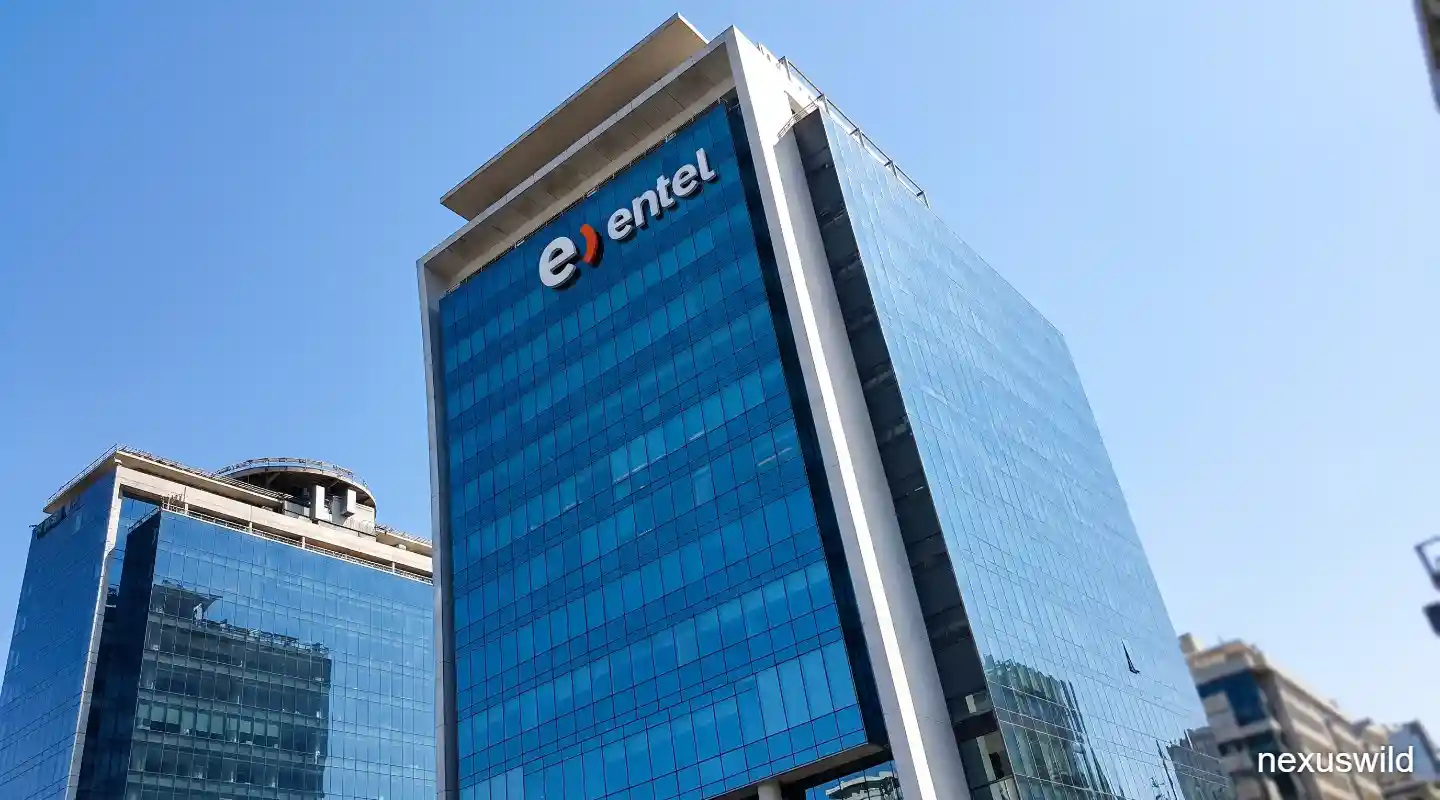
In a move Millicom International Cellular S.A., a Luxembourg-based company that runs under the Tigo brand has agreed to buy Entel’s operations in Peru. The deal is worth about $1.714 billion in enterprise value.
The agreement was announced on November 13 2026. It includes 100% of the shares in Entel Perú S.A. And Americatel Perú S.A., two subsidiaries of the telecom giant Entel. This acquisition will help Millicom grow across Latin America. Enter the growing telecommunications market in Peru.
The price is five times Entel Peru’s expected 2026 earnings before interest, taxes, depreciation and amortisation (EBITDA) not counting synergy gains or integration costs.
For Millicom this deal brings over 10 million customers, a working network and relationships with corporate and enterprise clients. For Entel selling its business allows the company to focus more on its operations in Chile and improve its financial health.
This deal also shows how important telecommunications infrastructure has become in emerging markets. Demand for mobile coverage, broadband internet and digital services is rising fast in these regions.
The agreement still needs approval from shareholders and other closing conditions. Far ownership has not changed hands.
Details of the $1.714 Billion Acquisition
Under the agreement Millicom will buy all the shares in Entel Perú S.A. And Americatel Perú S.A. From Entel.
The enterprise value is $1.714 billion. It includes lease liabilities. The valuation is five times Millicom’s expected 2026 EBITDA for the acquired operations before any synergies or integration costs.
Entel said the deal is worth 5.34 times the subsidiary’s trailing twelve-month EBITDA as of June 2026. The difference comes from using time periods and calculation methods.
The payment will be made in three parts:
| Payment Stage | Percentage |
|---|---:|
At transaction closing | 65% |
| Twelve months after closing | 10% |
| Eighteen months after closing | 25% |
| Total | 100% |
The transaction will be funded using a mix of local financing and Millicom’s own cash.
The deal is expected to close in December 2026 as long as standard closing conditions are met.
One key requirement is approval from Entel’s shareholders. The company’s board has scheduled a shareholders’ meeting on November 30 2026. At that meeting investors will vote on the sale and other necessary steps to finish the deal.
Until the approvals and conditions are completed the transaction remains a planned deal, not a done deal.
This structure lets Millicom take over an established telecom business while spreading the cost over time after the closing.
Why Millicom Is Targeting Peru
The acquisition marks an expansion for Millicom, which already runs its Tigo brand in several Latin American countries.
After the deal closes Millicom expects to operate in 13 markets.
Peru is a target because of its large population rising need for connectivity and investment-grade credit ratings from Moody’s S&P and Fitch.
The country has than 34 million people. That’s a customer base for mobile services, home internet and business solutions.
The telecommunications sector in Peru also offers chances to grow recurring revenue through postpaid plans, fast internet and other digital services.
Millicom says information from Peru’s telecom regulator, OSIPTEL shows mobile service revenue grew 5.6% in 2025. Fixed internet revenue went up 5.8%.
Postpaid and managed mobile subscriptions increased by 10.1% during the time.
These numbers show the market is moving toward stable subscription-based services.
For Millicom this acquisition gives them a made platform. They won’t have to build a network or customer base from zero.
The company believes combining its experience with Entel Peru’s current infrastructure can lead to better operations, better customer service and more revenue.
Entel Perus Established Market Position
Entel Peru has built a place in the country’s telecom market since it entered more than ten years ago.
The business now serves over 10 million customers. It also brings in 36% of the total revenue for the Entel Group.
According to Entel’s announcement Entel Peru became the largest mobile operator in Peru by revenue in 2023.
Recent data from OSIPTEL shows how strong the position is.
At the end of the quarter of 2026 Peru had about 39.4 million mobile lines that had been used in the past three months.
The market share by mobile lines was:
| Mobile Operator | Market Share |
|---|---:|
| Claro | 33.35% |
| Bitel | 24.01% |
| Entel | 22.54% |
| Movistar | 19.81% |
Other operators | 0.29% |
These numbers are based on active lines, not unique users or revenue.
Entel’s position gives Millicom a customer base and a working network in a market where major operators are fighting for mobile and internet customers.
The business also has ties to enterprise clients. That opens up opportunities beyond selling mobile services to individuals.
Another big development was Entel Peru’s role in launching Starlink’s Direct to Cell service in 2025.
Peru became the Latin American country after Chile to offer this service through an operator arrangement.
This shows how involved Entel Peru is, in expanding connectivity technologies. It also shows how the company is working to build services that go beyond mobile networks.
Strategic Benefits for Millicom's Telecommunications Business
The acquisition could provide Millicom with several opportunities to strengthen its operating model and expand its service portfolio.
One of the most important advantages is access to Entel Peru's established mobile network and customer relationships.
Building telecommunications infrastructure requires significant capital expenditure, including investment in mobile towers, radio equipment, fibre connections, network upgrades and spectrum-related costs.
Acquiring an existing operator allows Millicom to gain access to these assets and customer relationships while avoiding the time and expense associated with developing an entirely new market presence.
Millicom also plans to apply its operational improvement strategy, which focuses on improving customer experience while increasing efficiency.
The company expects opportunities to reduce operating costs, improve working-capital management and strengthen cash generation.
Another major opportunity involves combining mobile services with home broadband connectivity.
Entel Peru has access to an extensive fibre network through wholesale partnerships. Millicom believes that combining this infrastructure with its experience in mobile and residential connectivity could support more integrated service packages.
For example, customers could receive mobile subscriptions, household broadband and additional digital services through a unified commercial offering.
Such packages may strengthen customer relationships, encourage longer-term subscriptions and create more predictable recurring revenue.
The company also sees opportunities to expand enterprise services, including business connectivity and digital infrastructure solutions.
These developments could help Millicom increase revenue per customer while improving the commercial value of its acquired operations.
Financial Impact and Expected Shareholder Benefits
Millicom expects the Entel Peru acquisition to become accretive to equity free cash flow during its first year following completion.
Equity free cash flow represents the cash available to shareholders after relevant operating requirements, financing expenses and other investment obligations.
Generating positive incremental cash flow would be important because it would demonstrate that the acquisition contributes financially beyond simply increasing the company's revenue and customer base.
Management also expects its year-end 2026 leverage ratio to remain around 2.5 times, including the transaction.
This suggests that Millicom believes it can finance the acquisition without significantly weakening its targeted financial position.
The company has stated that the transaction is not expected to negatively affect its planned shareholder distributions.
Instead, management expects stronger cash generation over time to support its ability to provide returns to shareholders.
However, the projected benefits will depend on successful integration, financing costs, operational improvements and the performance of the Peruvian telecommunications market.
The enterprise value of $1.714 billion should also be distinguished from the amount of cash paid at closing because the transaction includes lease liabilities and deferred payment instalments. Why Entel Is Exiting the Peruvian Market For Entel, the decision to sell its Peruvian operations represents a strategic shift towards concentrating resources on its Chilean business.
The company has invested in Peru for more than a decade, establishing a significant telecommunications operation with millions of customers.
However, operating across multiple countries requires substantial investment in network infrastructure, technology, customer acquisition and regulatory compliance.
By disposing of its Peruvian subsidiaries, Entel intends to strengthen its financial position and focus on business areas where management believes it has stronger competitive advantages.
Its Chilean operations will remain a central part of the company's growth strategy, particularly in residential internet, digital services and related businesses.
The transaction is also expected to generate an extraordinary net profit of approximately CLP 98 billion for Entel.
Additionally, the company's board plans to propose a special dividend of CLP 2,100 per share, subject to shareholder approval and completion of the transaction.
These measures indicate that Entel intends to use the divestment to improve shareholder value while supporting further investment in its domestic operations.
The company has described the sale as an opportunity to realise the value created through its long-term investment in Peru.
Rather than continuing to allocate capital across multiple markets, Entel will have greater flexibility to focus on strengthening its competitive position in Chile.
Competition in Peru's Telecommunications Market Could Intensify
The acquisition could reshape the competitive landscape of Peru's mobile and broadband industry.
The market already includes several established operators, including Claro, Bitel, Movistar and Entel.
These businesses compete through mobile network coverage, pricing, data allowances, customer service and broadband availability.
Entel's integration into Millicom could create opportunities for a stronger regional operator to compete more aggressively.
Millicom may use its international purchasing power and telecommunications experience to improve network economics and introduce additional services.
However, the transaction also raises questions about future market concentration and competitive conditions.
Peru's telecommunications market has developed through competition among several major operators. The arrival of Millicom as the owner of Entel Peru could influence pricing strategies, infrastructure investment and the competitive response of existing players.
Regulatory scrutiny and any applicable approval requirements will therefore be important considerations before the transaction can be completed.
For consumers, the key issue will be whether the new ownership results in improved network quality, wider broadband availability and competitive service pricing.
Consolidation can create efficiencies, but those benefits need to translate into better services rather than simply reduced operational costs.
Risks and Challenges Facing the Acquisition
Despite its strategic potential, the transaction involves several risks that Millicom will need to manage.
Integration complexity: Combining Entel Peru with Millicom's regional operations will require adjustments to technology platforms, management systems, customer support and commercial processes.
Financing obligations: The acquisition will require a combination of local financing and existing cash resources. Changes in borrowing costs could influence the overall financial returns.
Competitive pressure: Claro, Bitel and Movistar already have substantial positions in Peru. Millicom will need to differentiate its products and services to maintain customer loyalty.
Regulatory requirements: Telecommunications businesses operate under strict rules covering spectrum, service quality, consumer protection and infrastructure. The company must satisfy applicable closing conditions and ongoing regulatory obligations.
Customer retention: Any changes to branding, tariffs, service arrangements or network operations could affect customer satisfaction. Maintaining service continuity during integration will be essential.
Execution risk: Expected cost savings and commercial synergies will take time to achieve. Poor integration could delay the expected improvement in cash flow.
Millicom's ability to manage these challenges will determine whether the acquisition delivers the financial and operational benefits outlined in its announcement.
Future Outlook: Millicom Strengthens Its Latin American Position
The proposed acquisition is consistent with Millicom's broader strategy of expanding its presence across Latin America through targeted telecommunications investments.
Peru offers opportunities in mobile connectivity, broadband internet and business technology services.
Its investment-grade sovereign ratings and growing demand for recurring connectivity services also provide a potentially attractive environment for long-term infrastructure investment.
Following completion, Millicom plans to build on Entel Peru's existing network and customer relationships while improving operating efficiency and expanding higher-value services.
The company will also have an opportunity to strengthen its position in enterprise connectivity, where demand for reliable digital infrastructure is increasing.
For Entel, the transaction represents a transition towards a more focused business strategy centred on Chile.
The November 30 shareholder meeting will be an important milestone, as investors are expected to vote on the proposed sale and related shareholder arrangements.
If the necessary approvals and closing conditions are satisfied, the acquisition is expected to be completed in early December 2026.
The transaction could become another significant example of telecommunications consolidation in Latin America, where regional operators are seeking greater scale to compete in capital-intensive connectivity markets.
Conclusion
Millicom's agreement to acquire Entel Peru for an enterprise value of $1.714 billion represents a major development in the Latin American telecommunications industry.
The transaction provides Millicom with access to more than 10 million customers, an established mobile network and a significant presence in Peru's expanding connectivity market.
For Entel, the sale offers an opportunity to strengthen its financial position, realise the value created through more than a decade of investment and concentrate resources on its Chilean operations.
The acquisition could also generate long-term opportunities through integrated mobile and broadband services, improved operating efficiency and stronger enterprise relationships.
Nevertheless, the final success of the transaction will depend on shareholder approval, completion conditions and effective integration after closing.
As demand for mobile data, broadband connectivity and digital services continues to expand across Latin America, Millicom's proposed entry into Peru could strengthen its position as a major regional telecommunications operator.
The next important test will be whether the company can translate its expanded market presence into improved customer experience, sustainable cash generation and long-term shareholder value.
Nexuswild welcomes factual corrections. Email contact@nexuswild.com with evidence and the article URL.