
Brent crude climbed above $91 a barrel on Tuesday, extending a sharp rally as renewed fighting between the United States and Iran revived fears of wider Middle East energy disruption after roughly a month of relative calm.
Brent, the international benchmark, traded around $91.05 to $91.44 a barrel for November delivery as of Tuesday morning, building on a roughly 2.7 percent gain in the previous session. West Texas Intermediate, the US benchmark, traded near $86.59 a barrel. Both benchmarks remain below the nearly $94.40 peak Brent touched on August 21, but have stayed elevated since a 60-day US-Iran ceasefire lapsed in mid-August without an extension or a lasting agreement.
Renewed Strikes in the Middle East
The latest jump followed the first direct military exchanges between Washington and Tehran in more than a month. US Central Command said forces struck two Iranian rocket launchers on Larak Island in the Strait of Hormuz on Sunday, after detecting preparations to launch rockets carrying sea mines into the waterway. Iran retaliated early Monday with missile and drone strikes on two bases used by US forces in Jordan, King Hussein and Al Azraq, as well as facilities in the United Arab Emirates. Iranian officials said the US strike on Larak killed and wounded several of its soldiers.
President Donald Trump warned Monday that Washington would respond, indicating additional strikes against Iran. "We're going to hit them hard," he told Fox News, without specifying a timeline or targets. A senior Iranian source separately told Reuters that Tehran would answer any US attack "dozens of times greater."
Strain on the Strait of Hormuz
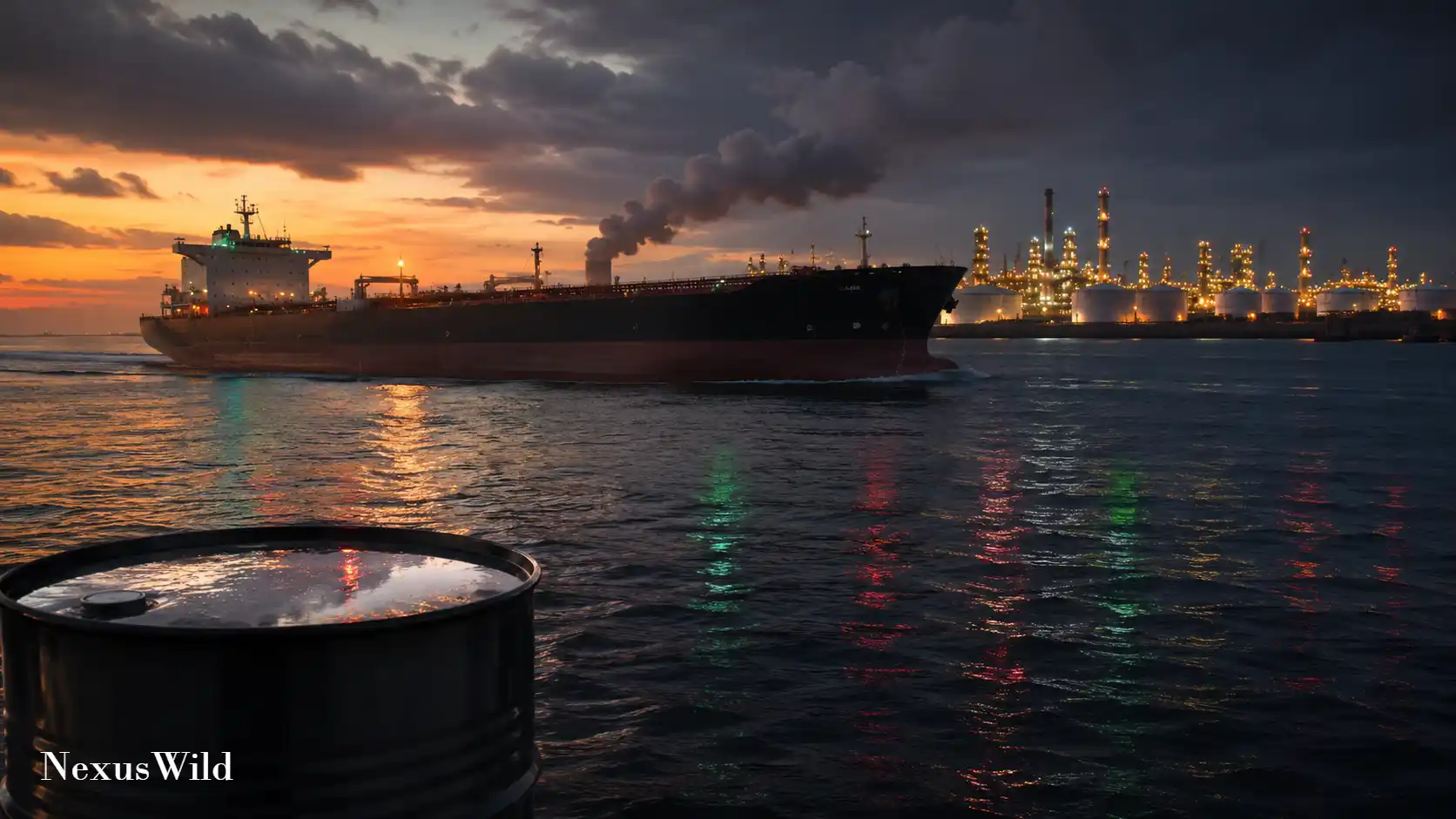
The renewed exchanges are adding a fresh geopolitical risk premium to oil markets already strained by disrupted shipping through the Strait of Hormuz, the narrow waterway that accounted for roughly one-fifth of global oil supplies before the conflict began.
Traffic through the strait, which saw roughly 130 transits a day in peacetime, remains heavily constrained. Shipping data showed the number of visible commodity vessels passing through the Strait fell to just five a day over the weekend, reflecting greater caution among companies. Major Gulf producers including Saudi Arabia, the UAE, Kuwait and Iraq continue to export some volumes through the strait despite the disruption, though some vessels are reportedly sailing with transponders switched off to reduce the risk of attack.
The UK Maritime Trade Operations agency (UKMTO) said late Monday that a tanker reported being hit by three unidentified projectiles while departing the strait. No casualties or environmental damage were reported, and no government or group has claimed responsibility. Iranian state media separately reported that another tanker caught fire after striking naval mines in the southern strait, though US Central Command said it had no indication any vessel had hit a mine.
Global Market Impact and Inflation Concerns
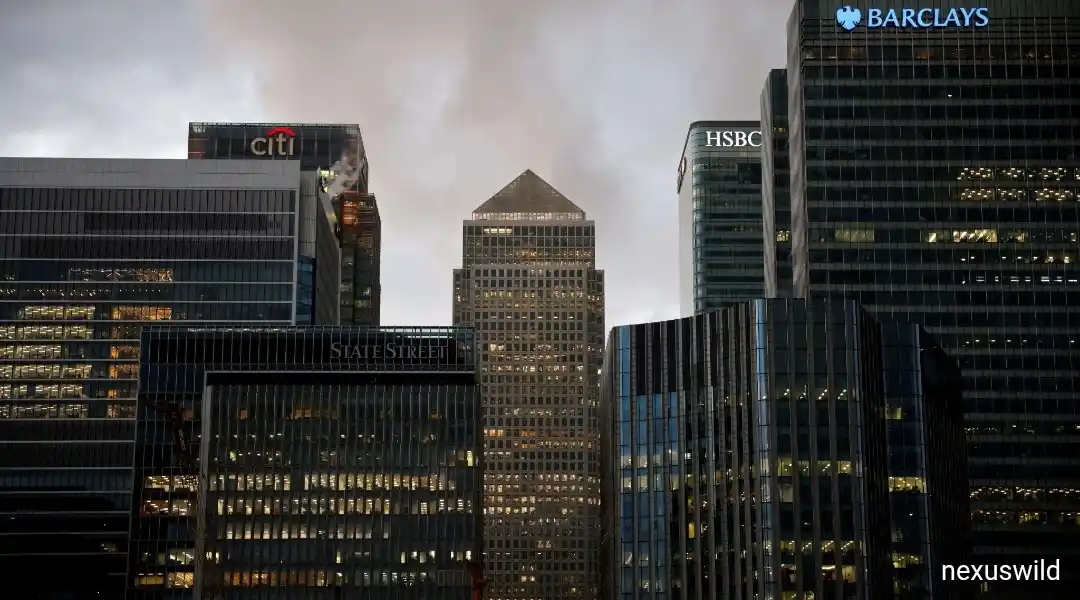
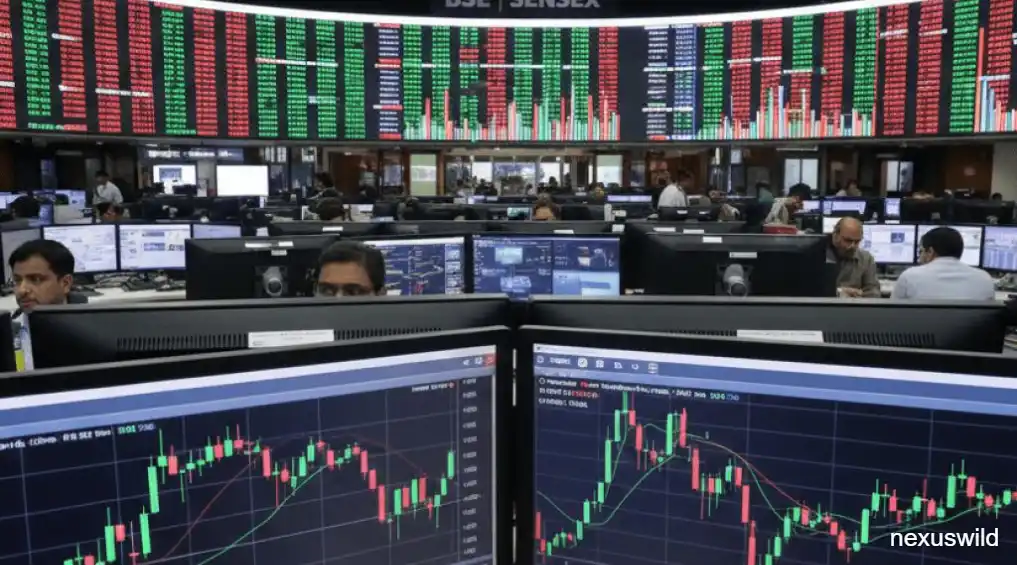
The escalation rattled global markets. The Dow Jones Industrial Average fell 370 points on Monday, while South Korea's Kospi dropped 3.5 percent and Japan's Nikkei 225 lost more than 2 percent. The 10-year US Treasury yield topped 4.75 percent on Monday, its highest level since January 2025, as investors weighed the possibility that the Federal Reserve may need to raise rates rather than cut them if energy-driven inflation persists.
Higher oil prices are reviving inflation concerns across major importing economies. India, which sources roughly 40 percent of its crude and 60 percent of its LNG through the Middle East, has seen its import bill and current account deficit widen alongside a weaker rupee this year. China, Japan and South Korea have turned to alternative suppliers as far as Argentina to offset lost Middle East barrels, while European officials, including the EU's Valdis Dombrovskis, have warned the conflict risks tipping the continent toward renewed stagflation pressure.
Analysts said markets are bracing for continued volatility rather than a quick resolution. Saul Kavonic, head of energy research at MST Financial, said the market is increasingly pricing in what he called "a protracted 'no war, no peace' situation." Tony Sycamore of IG Markets said prices could ease quickly if flows of "dark" tankers and ship-to-ship transfers pick back up, but added that the near-term path for oil is higher given the risk of further exchanges of fire.
Traders are watching for signs of additional US strikes, particularly after Trump extended threats to Iran's Kharg Island oil export terminal, along with shipping data out of the Strait of Hormuz and any indication that Washington and Tehran are prepared to resume talks toward a lasting agreement.
Further reading and useful links
Reader questions
Frequently asked questions
Why did oil prices cross $91 a barrel?
Oil prices spiked after renewed direct military exchanges between the United States and Iran in and around the Strait of Hormuz revived fears of a major disruption to global energy supplies.
What is the strategic importance of the Strait of Hormuz?
The Strait of Hormuz is a critical narrow waterway that accounted for approximately one-fifth of the world's seaborne oil supplies before the US-Iran conflict began, making it vital to global energy stability.
How are the renewed tensions impacting global markets?
The escalation has rattled global stock markets, pushed US Treasury yields higher, and raised concerns among major importing nations about renewed inflation and stagflation pressures driven by higher energy costs.
Nexuswild welcomes factual corrections. Email contact@nexuswild.com with evidence and the article URL.