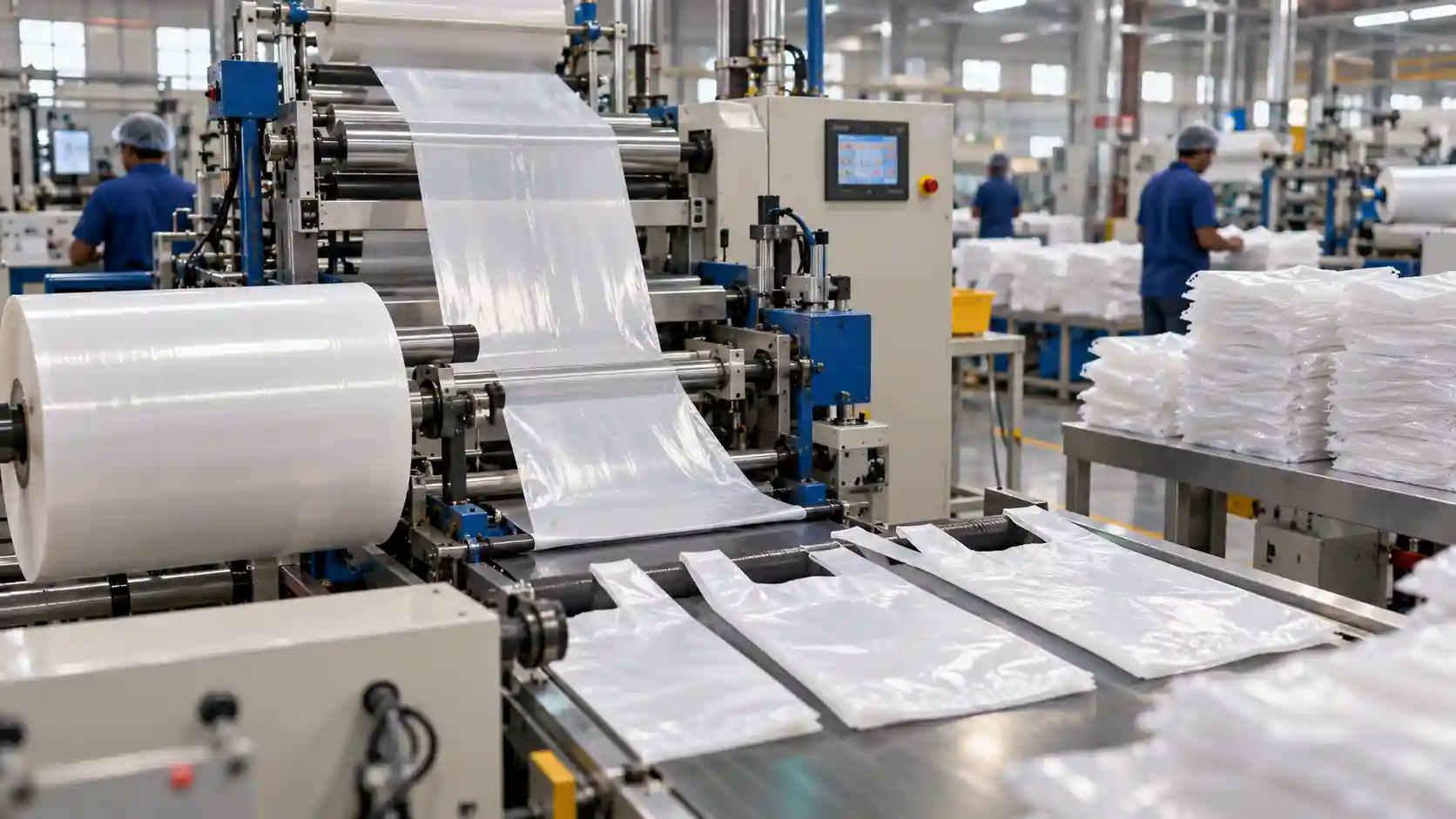

Walk through any modern hospital, open a refrigerator, or board an aircraft, and you are surrounded by a material that has quietly rewritten the rules of human civilization. Synthetic polymers - universally known as plastics - are woven into the fabric of daily existence. They preserve perishable foods, insulate electrical grids, streamline transportation, and underpin critical sterile medical equipment that saves millions of lives daily.
Yet, this extraordinary utility has come with a heavy ecological burden. According to data from the United Nations Environment Programme (UNEP) and the Organisation for Economic Co-operation and Development (OECD), humanity now produces over 400 million tonnes of plastic annually. A significant share of this output consists of short-lived packaging materials designed for momentary convenience before being discarded. As global waste generation climbs and environmental leakage persists, the conversation surrounding plastic has shifted from praise of its undeniable versatility to an urgent reckoning with its long-term environmental consequences.
How Plastic Changed Modern Life
To understand why society became so reliant on polymers, one must look at the structural vulnerabilities they solved. Before the mid-20th century, manufacturing relied heavily on wood, glass, metal, and natural fibers - materials that were often heavier, more expensive to transport, and resource-intensive to harvest.
The invention of synthetic plastics introduced unprecedented flexibility, durability, and cost-efficiency. In food preservation, lightweight plastic packaging drastically reduced spoilage and extended shelf lives, cutting down organic food waste during transit. In healthcare, single-use syringes, intravenous bags, and sterile packaging virtually eliminated cross-contamination, transforming clinical hygiene standards.
In transportation and aerospace engineering, replacing heavy metal components with high-performance engineering plastics reduced vehicle weights, improving fuel efficiency and lowering carbon outputs during transit. Electronics, construction, and telecommunications similarly expanded on the back of durable, non-conductive polymers. Plastic is not inherently a villainous substance; rather, it is an engineering triumph whose widespread adoption outpaced society's capacity to manage its end-of-life lifecycle.
The Environmental Cost of Plastic
The core paradox of plastic lies in the very property that makes it so useful: its durability. Virtually every piece of conventional plastic ever manufactured still exists in some form on Earth. When production scales exponentially without parallel investments in recovery infrastructure, the ecological toll mounts rapidly.
Global data illustrates the scale of the challenge. According to the OECD’s comprehensive tracking, annual global plastic waste generation has doubled over the past two decades, approaching nearly 400 million tonnes. A substantial fraction of this waste is mismanaged - either dumped in open controlled landfills, burned in inefficient open-air fires, or leaked directly into natural environments.
The environmental impact of plastic spans its entire lifecycle. It begins deep in the Earth with the extraction of fossil fuels like crude oil and natural gas, which serve as the primary chemical feedstock for polymer creation. Refining and cracking these hydrocarbons into virgin plastic resins is an energy-intensive industrial process that generates billions of tonnes of greenhouse gases annually, linking the material directly to broader global climate pressures.
Plastic Waste and Pollution in Ecosystems
Once discarded, mismanaged plastic does not easily break down; instead, mechanical weathering, UV radiation, and wave action fragment it into progressively smaller pieces. Rivers act as primary conveyer belts, washing discarded packaging and urban litter from inland cities directly into coastal estuaries and marine ecosystems.
In oceans and freshwater bodies, macro-plastics pose immediate physical threats to wildlife. Marine mammals, sea turtles, and seabirds frequently mistake floating plastic debris for food, leading to intestinal blockages, starvation, or entanglement. Coral reefs smothered by discarded fishing nets and plastic bags suffer from restricted sunlight and reduced oxygen exchange, accelerating habitat degradation.
Terrestrial ecosystems face parallel strains. Agricultural soils increasingly accumulate plastic residues from mulching films used to retain soil moisture and suppress weeds. Over time, these fragments alter soil porosity, disrupt microbial communities, and interfere with water infiltration, impacting long-term agricultural productivity.
Microplastics and Ecosystem Damage
Perhaps the most insidious dimension of the modern waste crisis involves microplastics - tiny polymer particles measuring less than five millimetres in length. These particles originate from two primary sources: the intentional manufacturing of microscopic microbeads or resin pellets, and the physical breakdown of larger plastic items.
Synthetic textiles represent a major vector. Every time garments made of polyester, nylon, or acrylic are laundered, washing machines shed hundreds of thousands of microscopic synthetic fibers into wastewater systems. Conventional wastewater treatment plants frequently fail to filter out all of these microscopic strands, allowing them to flow into rivers and oceans.
Scientific research has confirmed that microplastics are now ubiquitous. They have been detected in remote alpine snows, deep-sea trenches, atmospheric rain, and agricultural crops. More recently, toxicological and biomedical studies have identified microplastic particles in human blood samples, lung tissue, and placental tissue. While researchers are still actively studying the precise long-term health implications of chronic human exposure to these particles and their accompanying chemical additives, their pervasive presence underscores the depth of the environmental footprint.
Plastic and Climate Change
The intersection between plastic pollution and climate change is profound yet frequently overlooked. Because plastics are synthesized from fossil hydrocarbons, their entire lifecycle carries a carbon footprint.
According to analyses by international environmental bodies, the global plastics lifecycle - from extraction and refining to manufacturing and end-of-life incineration - accounts for a notable percentage of worldwide greenhouse gas emissions. When plastic waste is openly burned or processed in sub-optimal waste-to-energy facilities without advanced emission controls, it releases carbon dioxide, methane, and toxic pollutants into the atmosphere. Conversely, leaving plastic buried in landfills prevents carbon from immediately entering the atmosphere as gas, but it fails to resolve the underlying resource inefficiency of a linear, throwaway economy.
Why Recycling Is Not Enough
For decades, the public narrative surrounding waste management relied heavily on a reassuring message: consume responsibly, toss items into the recycling bin, and the system will take care of the rest. In reality, mechanical recycling alone has proven insufficient to stem the tide of global waste.
Multiple systemic bottlenecks hinder effective recycling:
- Collection Gaps: Vast regions of the developing world lack formal municipal waste collection infrastructure, leaving communities reliant on informal scavenging or open dumping.
- Polymer Heterogeneity: Commercial plastics comprise dozens of distinct polymer types - such as PET, HDPE, PVC, and LDPE - which cannot be melted down together without compromising the structural integrity of the resulting recycled material.
- Contamination: Food residue, mixed-material packaging (such as paper fused with plastic film), and chemical additives routinely contaminate recycling streams, rendering loads economically unviable to process.
- Economic Realities: Virgin plastic, heavily subsidized by fossil fuel production, is frequently cheaper for manufacturers to purchase than recycled resin, dampening market demand for secondary materials.
Global statistics reflect these systemic limitations, with only a fraction of total historical plastic waste successfully reprocessed into high-value secondary goods, while the remainder accumulates in landfills or leaks into nature.
Global Efforts to Reduce Plastic Pollution
Recognizing that end-of-pipe waste management cannot outpace exponential production growth, international governance frameworks are evolving. Governments and multilateral institutions are increasingly focusing on upstream interventions that target the entire lifecycle of plastics.
At the regulatory level, more than 100 countries have enacted bans or severe restrictions on single-use plastic bags, straws, and cutlery. Concurrently, policymakers are implementing Extended Producer Responsibility (EPR) frameworks, which legally mandate that manufacturers finance the collection, sorting, and recycling of the packaging materials they introduce into the market.
International negotiations, led by bodies like the United Nations Environment Assembly, continue to work toward binding global agreements aimed at curbing plastic pollution through harmonized standards, circular design mandates, and financial mechanisms to assist developing nations in upgrading their waste infrastructure.
New Solutions and Alternatives
Innovation across materials science and supply chain management is beginning to reshape industrial practices. Researchers and startup enterprises are developing advanced alternatives derived from agricultural waste, seaweed, mycelium, and bio-based polymers that degrade safely under natural conditions without leaving toxic micro-fragments behind.
In parallel, corporate pioneers are scaling up reuse and refill systems. By redesigning supply chains around durable, returnable containers for beverages, personal care items, and household goods, companies are proving that consumer convenience does not automatically require single-use disposables. Chemical recycling technologies - which break plastics down to their molecular building blocks to create virgin-quality polymers anew - are also gaining commercial traction, though scaling them economically remains an ongoing engineering challenge.
Expert and Scientific Views
Environmental scientists emphasize that addressing the crisis requires a multifaceted approach rather than a single silver bullet. Dr. Jane Muncke, Chief Scientist at the Food Packaging Forum, points out that regulatory frameworks must evaluate not just the management of waste, but the chemical safety of the polymers themselves.
"Without the wholesale reduction of plastic production, the shift away from single-use consumption, and stringent testing of the chemicals used in plastics, waste management systems will remain overwhelmed," notes Muncke.
Similarly, international economists and waste management specialists advocate for a transition toward a circular economy. In a true circular framework, plastic is treated as a valuable, infinitely looping resource rather than a disposable commodity. This transition requires cooperation across borders, investments in modern sorting facilities, and economic incentives that favor durable design over cheap disposability.
Conclusion
Plastic has fundamentally enabled the modern world, empowering advancements in healthcare, technology, and food security that societies cannot simply wish away. However, the environmental cost of managing billions of tonnes of persistent synthetic waste has reached a tipping point.
Navigating this challenge demands a pragmatic evolution in how humanity designs, uses, and recovers materials. By pairing technological innovation with smart global policies, improved waste infrastructure, and circular business models, society can preserve the practical benefits of polymers while safeguarding the health of global ecosystems for generations to come.
Further reading and useful links
Reader questions
Frequently asked questions
How much plastic does humanity produce annually?
According to data from UNEP and the OECD, humanity now produces over 400 million tonnes of plastic annually.
What are microplastics and where do they come from?
Microplastics are tiny polymer particles measuring less than five millimetres in length. They originate from the intentional manufacture of microbeads or resin pellets and the physical breakdown of larger plastic items, including synthetic textile fibers shed during laundering.
Why is mechanical recycling alone not enough to solve the plastic crisis?
Mechanical recycling faces systemic bottlenecks including collection gaps in developing regions, polymer heterogeneity (different plastic types that cannot be melted together), food and chemical contamination, and the low cost of subsidized virgin plastic.
What solutions are being explored to combat plastic pollution?
Solutions include international regulatory frameworks and bans, Extended Producer Responsibility (EPR) mandates, bio-based and biodegradable alternatives, reuse and refill supply chains, and advanced chemical recycling technologies.
Nexuswild welcomes factual corrections. Email [email protected] with evidence and the article URL.