
A 28-year-old laboratory worker at a Siberian anti-plague institute died on October 2, 2026, and nine days later, nobody outside the Russian government can say with confidence what killed her. That gap between what is known and what is being said has pulled in the World Health Organization, the U.S. government and biodefense specialists, and it has turned a single death into a test of how openly countries report lab incidents.
What is confirmed
The woman, identified by local media as Daria Shipilova, worked at the Irkutsk Anti-Plague Research Institute of Siberia and the Far East in Shelekhov, in eastern Siberia. The WHO has confirmed it is aware of reports that a laboratory worker in the Irkutsk region died of severe pneumonia on October 2.
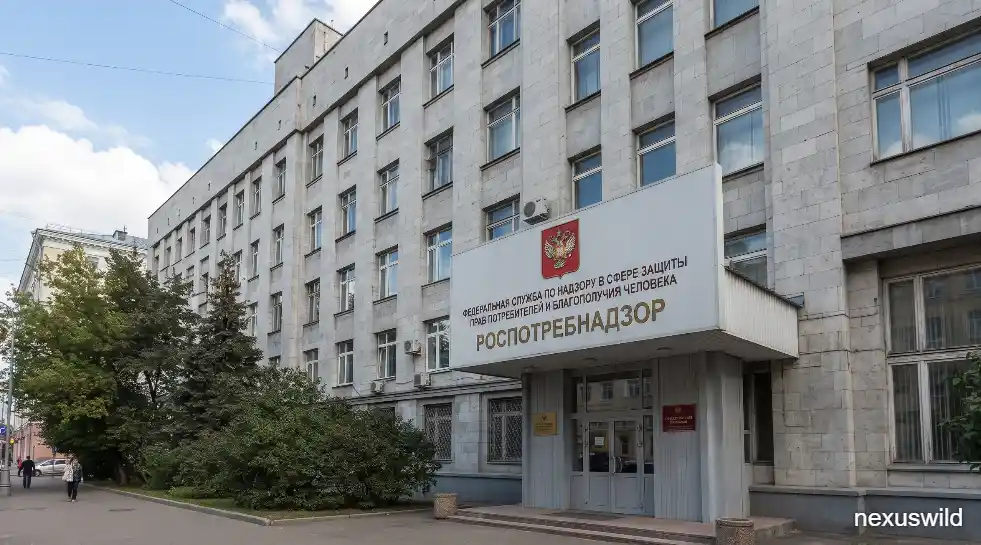
Russia's health watchdog, Rospotrebnadzor, says she died of pneumonia of unknown cause, and that testing found no microorganisms linked to her work. Its head, Anna Popova, flew to Irkutsk for an emergency meeting with regional officials. Russian officials told the WHO that their investigation found no high-threat pathogen in the worker or in any of her contacts, and that medical monitoring of those contacts has ended. Among those tested, they said, were two cases of COVID-19 and two of rhinovirus.
What is reported but not confirmed
An independent regional outlet, People of Baikal, reported that Shipilova may have broken a test tube containing the plague pathogen on September 25, fallen ill, and died after three days in hospital. Russian authorities have not confirmed that account and have denied that plague was involved.
The same outlet reported that security service patrols escorted ambulances carrying her contacts and that about 200 people were quarantined. Separate reporting by RFE/RL's Siberia.Realities, citing employees and relatives, said more than 60 institute staff were kept inside the facility from October 2. Russian authorities have not publicly confirmed these details.
Reports of a possible second employee with pneumonia have also surfaced. WHO Director-General Tedros Adhanom Ghebreyesus said the agency is seeking information on them. Russia rejects reports of a second case.
Why plague raises the stakes
Despite its name, the institute handles a range of dangerous pathogens, including those behind anthrax, cholera, tularemia and brucellosis. A researcher named D.N. Shipilova from the institute is listed as a co-author of research presented earlier this year on how plague bacteria respond to antibiotics, though it is unclear whether she was working with the bacteria when she fell ill.
Pneumonic plague, the lung form of the disease, is the only type that spreads between people through respiratory droplets. The WHO says it can be fatal if not treated within 18 to 24 hours of the first symptoms, but responds to antibiotics given quickly. Russian officials say no plague case has been recorded in Irkutsk.
The transparency question
The WHO asked Russian officials last Saturday about the lab tests, the reason for contact tracing and the health of those exposed, and is still waiting to hear what pathogen caused the pneumonia. Tedros wrote that timely, complete and transparent sharing of information under the International Health Regulations is essential to clarify conflicting reports.
Experts are cautious. Andrew Weber, a biodefense specialist who worked with former Soviet labs, said he is not yet reassured by official statements given Russia's history of covering up incidents, while allowing that the response could simply be extreme caution. Ashish Jha, a former White House COVID-19 coordinator, said that if the reported security escorts are accurate, that is not the posture of a routine outbreak. U.S. Secretary of State Marco Rubio said it is incumbent on Russia to share more information.
The worry has roots. In 1979, Soviet authorities blamed contaminated meat for an anthrax outbreak in Sverdlovsk, and it was not until 1992 that Russia acknowledged it came from military bioweapons research. Healthbeat reported it has seen no evidence that Shipilova's death involved a weapons program, and no public evidence has emerged that it did.
What to watch
Three things would settle most of the questions: the specific pathogen behind her pneumonia, an independent review of the institute's biosafety procedures, and a clear answer on whether any second case exists. Until Russia provides that, this remains an unexplained death inside a high-containment laboratory system, not a confirmed lab accident or outbreak.
Nexuswild welcomes factual corrections. Email contact@nexuswild.com with evidence and the article URL.