
Satellite Data Detects Major Methane Emissions at Istanbul’s Seymen Landfill of COP31
Satellite observations studied by researchers at the University of California Los Angeles (UCLA) have found big methane emissions from Istanbul’s Seymen landfill in Türkiye. The site had a measured methane emission rate of about 7.4 metric tonnes per hour during the satellite observations. This places it among the emitting landfill sites found in the study.
The results, reported by Reuters on November 7 2026 show how hard it is to stop methane releases from waste facilities even when systems are already in place to collect landfill gas and make electricity.
The research comes just before Türkiye is hosting the United Nations Climate Change Conference, COP31 in Antalya from November 9 to November 20. The timing brings attention to the country’s waste-management practices and its work to cut greenhouse gas emissions.
Satellite monitoring identifies an emission source
The UCLA team used data from Carbon Mapper, an organization that uses satellite and plane observations to find and measure methane emissions from individual sources.
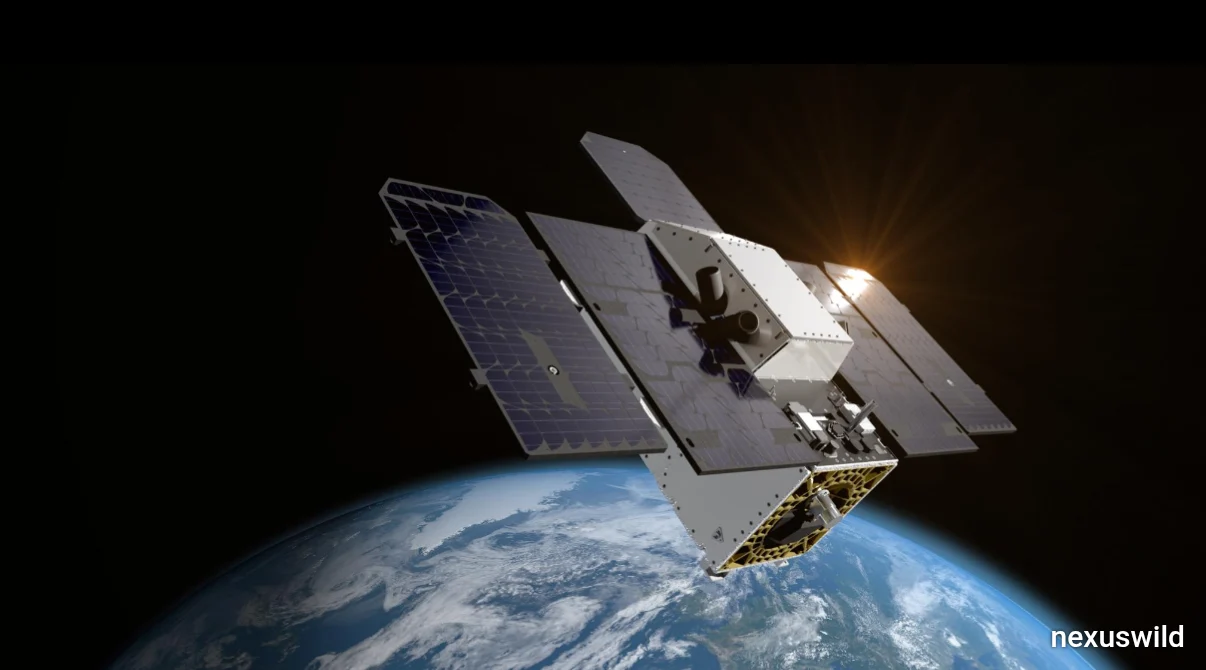
The analysis used data collected by Tanager-1, a satellite that detects and measures emissions from places. Researchers looked at data from January 2025 to the end of May 2026.
Across Türkiye’s 10 emitting waste sites the study found 70 methane plumes. The detected emission rates varied from about 841 kilograms to 7.4 tonnes per hour. Seymen, which is west of Istanbul had the average rate in the group.
The 7.4-tonne figure is an average from the satellite observations. It should not be seen as a measurement or a full picture of the landfill’s emissions. Satellite data only shows conditions during passes so emissions can change between observations.
Still the repeated detection of methane releases shows that the site needs more attention and ongoing monitoring.
Why Seymen landfill matters
Seymen is a municipal waste site serving Istanbul. According to information from the site operator, İSTAÇ the landfill gets 8,500 tonnes of household waste every day.
That is a part of the citys total daily household waste, which İSTAÇ says is about 20,000 tonnes.
Methane is created when organic material breaks down without oxygen in landfills. Food waste, garden waste and other materials can release methane as they decompose. If the gas is not properly captured it can escape through the landfill surface, cracks, gas wells and other parts of the waste system.
Methane is a greenhouse gas. Even though it stays in the air for time than carbon dioxide it has a much bigger warming effect in a short time. Cutting methane emissions is seen as key to slowing warming in the future.
Big landfill sites can be sources of methane because they handle a lot of organic material and it is hard to capture gas across large areas.
Existing gas-to-energy systems are under review
The Seymen landfill is not without methane control systems. İSTAÇ collects gas from the waste and an energy company uses the captured landfill gas to make electricity at a power plant that opened in 2020.
A 2025 report by Reuters said the facility produces about 22,000 megawatt-hours of electricity each month.
This shows that landfill gas can be used as a power source.. The satellite data raises an important question: how much methane is still escaping even with the systems in place?
Gas capture at a landfill does not always mean all methane is collected. The systems performance depends on the design, coverage, condition, maintenance cover quality and the type of waste.
For sites even small gaps in capture can lead to big emissions.
ISTAÇ and Turkish authorities question the findings
The results have led to questions from both the landfill operator and Türkiye’s Environment Ministry about how to understand the satellite data.
The Environment Ministry said the observations are not from monitoring and cannot alone show the landfill’s yearly emissions. It also mentioned the countrys Zero Waste Initiative, which aims to recycle and send less waste to landfills.
According to figures from the ministry reported by Reuters Türkiyes waste recovery rate went from 13% in 2017 to 37.53% in 2025.
ISTAÇ officials also said the satellite data might not show conditions. They said emissions usually range between about four and six tonnes per hour. A single day with 12 tonnes contributed to the higher average according to the operator.
ISTAÇ head Fatih Uğur said about 30 hectares of the landfill were uncovered while gas collection pipes were being fixed. He also mentioned atmospheric pressure as a possible reason for the high reading.
These reasons give some background. They don’t prove the total yearly emissions. To resolve the difference between satellite data and operator numbers more measurements and open monitoring would be needed.
This difference is important: satellite monitoring can find events and locate issues. Long-term programs are needed to find yearly emissions and check how well measures work.
Türkiye’s bigger methane issue
The Seymen findings are part of a problem in Türkiye’s waste sector.
Reuters citing data from the non-profit emissions tracker Climate TRACE said Türkiye is the largest methane emitter from solid waste after China, the US, Russia and Brazil.
The countrys waste methane emissions increased by 25% between 2014 and 2024 according to the report.
The UCLA study also found methane plumes at other big waste sites like in Ankara, Izmir and Antalya. This shows the issue is not just at one site or city.
Many big emissions are found at a sites. This offers chances for actions. Improving gas collection fixing systems keeping covers in place and moving organic waste away from dumps are some of the steps experts say can cut emissions.
Organic waste reduction is especially important. If biodegradable materials are separated before reaching a landfill they can be. Treated in other ways cutting the methane made underground.
Why these findings are important before COP31
Türkiye will host COP31 in Antalya from November 9 to November 20 2026. The event will bring together governments, climate leaders, businesses, researchers and groups to talk about climate action.
The Seymen findings add a waste-management issue to the climate talk. Methane reduction is not about national goals. It also depends on if individual sources can be found, measured and fixed.
Satellite monitoring is becoming more important because it can find emission sources that might not be seen by regular systems. Unlike reports that estimate emissions satellite data can show specific sites and possible leaks.
This ability could change how local authorities, waste companies and environmental officials deal with maintenance and reporting. It can also help investors and tech companies find opportunities in methane detection, gas recovery, landfill work and waste treatment.
Satellite data should be used as a tool for checking and not a full replacement for on-site checks. Combining satellite data with on-site measurements, records and verified data gives a picture.
Business and infrastructure impacts
The findings point to areas of business in the waste and environmental tech sectors.
Landfill gas recovery and system upgrades: Operators may face pressure to improve gas collection fix broken wells and better cover the landfill. This could create work for companies that focus on methane capture and landfill systems.
Satellite emissions monitoring: Services that use satellites to measure emissions can help regulators, cities and investors find high-emission sites and track changes over time. Clear data could also affect how environmental risks are seen.
Waste treatment: Sending food and other biodegradable waste away from landfills can cut methane. Composting, better waste collection and other methods for handling waste could become more important in city waste plans.
Environmental reporting and rules: detailed emissions data may lead to more checks on waste companies and local governments. Consistent measurements and open reporting could be key for showing progress on climate goals.
These are areas for investment and work not proof that new contracts or new rules have already been announced.
What will happen next?
The main question is whether more checks show that Seymen’s methane emissions stay high and whether the operator can show improvements after repairs.
A stronger analysis would use repeated satellite data, on-site measurements, gas collection details and independent emissions reports. Such info could help see if the high readings were from conditions or longer-term problems.
For Türkiye the issue is a test of how climate goals turn into action at main sites. As COP31 comes the Seymen case shows that methane reduction needs more than gas-to-energy systems. The systems must work well emissions must be measured regularly. Organic waste must be handled before it becomes a long-term pollution problem.
The satellite findings at Istanbul’s Seymen landfill have brought a waste site back into the spotlight. Although İSTAÇ and Turkish officials have questioned the meaning of the satellite readings the average of 7.4 tonnes of methane per hour makes the site an important one, for more checks.
The main lesson is that cutting methane needs both tools and action. Satellite monitoring can show where emissions happen. Real progress depends on good gas capture, good systems, waste separation and clear checks.
Nexuswild welcomes factual corrections. Email contact@nexuswild.com with evidence and the article URL.