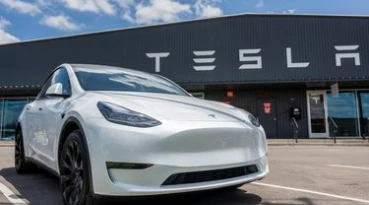

Tesla's two oldest cars are gone from its order books. The Model S sedan and Model X SUV, the vehicles that built the company's reputation, are no longer being built, and the Fremont, California, factory space that made them is being rebuilt to produce humanoid robots.
What was announced, and what happened
CEO Elon Musk said on Tesla's fourth-quarter earnings call on January 28, 2026, that the company would end Model S and X production, with the final vehicles due by the second quarter. "If you're interested in buying a Model S and X, now would be the time to order it," he told listeners, according to CNBC. The Model S went on sale in 2012 and the Model X three years later.
By April 1, Musk had posted on X that "custom orders of the Tesla Model S & X have come to an end," according to Electrek, which cited inventory data showing roughly 600 new cars left worldwide, mostly in the United States. Tesla's website no longer offers a configurator for either model. A final limited-run Signature Edition was sold by invitation, a trade-press report said.
Why Tesla made the call
The Model S and X were small contributors. Electrek estimated combined sales at roughly 30,000 vehicles in 2025, against capacity at Fremont of around 100,000 a year, which is an outside estimate, not a Tesla figure. At the time the base Model S cost about $95,000 and the Model X about $100,000.
The decision also fit a broader shift. Tesla's annual revenue fell 3 percent in 2025, its first yearly decline, and profit fell 61 percent in the fourth quarter, according to a report on the earnings release. Automotive revenue fell 11 percent to $17.7 billion in the quarter, while energy revenue rose 25 percent to $3.84 billion and services rose 18 percent to $3.37 billion.
Tesla said it expects capital spending of about $20 billion this year, much of it for new factories, Optimus robots, robotaxi infrastructure and AI computing, CFO Vaibhav Taneja said. It also disclosed a $2 billion investment in Musk's AI company xAI.
What replaces the cars
The freed-up space will make Optimus, Tesla's humanoid robot. Musk said the S and X lines would be replaced "with a 1 million unit per year line of Optimus," and that Tesla wants to start selling the robot. Tesla called Gen 3 its "first design meant for mass production," with production expected to begin by the end of 2026.
Progress is visible, though not yet at scale. In July, an enthusiast site reported the old lines had been torn down, and quoted Tesla vice president of engineering Lars Moravy as saying the first Optimus production line had arrived at Fremont and crews were installing equipment. A million units a year remains a goal, not a result.
Tesla said it expects to keep vehicle output at Fremont steady through line improvements, since the Model 3 and Model Y continue to be built there.
What it means
For customers, the change is simple: no more new Model S or X, and service for existing owners continues. For investors and the industry, it is a signal about where Tesla wants to put its resources. Analysts quoted in trade coverage noted that Tesla could have built a successor to its flagship sedan and chose a robot line instead.
The risks are real. Optimus is a product with, in one outlet's words, virtually no business behind it today. Tesla has not published detailed specifications, customer timelines or pricing for the robot in the sources I reviewed. Whether it can justify the factory it has been handed is unproven.
Nexuswild welcomes factual corrections. Email contact@nexuswild.com with evidence and the article URL.