
Saudi and Egyptian Stocks Slide as Houthi Conflict Raises Regional Risk
stocks and Egyptian stocks dropped sharply on Sunday, October 25. The fighting of Yemen’s Houthi movement became stronger. Investors grew worried about safety and the economic stability of the Middle East.
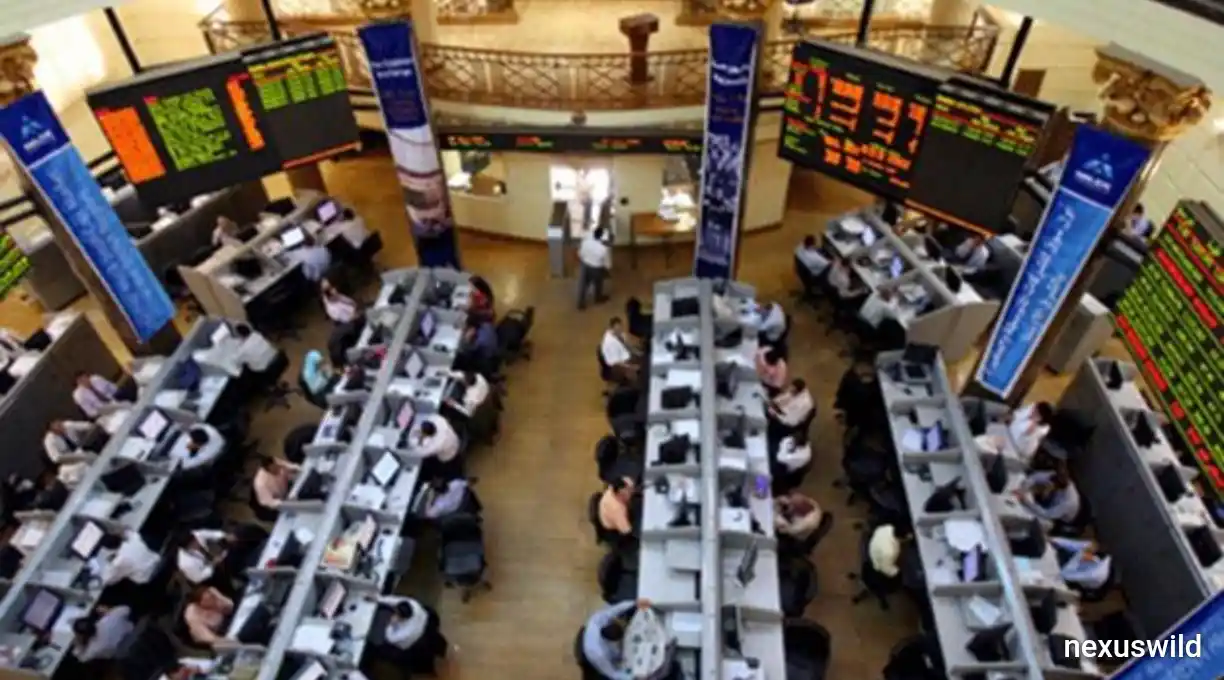
The Tadawul All Share Index of stocks fell by 2.6% and the EGX30 index of Egyptian stocks fell by 2.5% Reuters said. Saudi Aramco, the oil producer of Saudi Arabia also traded lower. These drops show that investors are unsure about how the Houthi conflict might affect infrastructure, trade routes and business activity.
The market reaction happened while reports of missiles and drones being intercepted kept coming. The Saudi-led coalition and the Houthis kept fighting. Investors were not looking at the current security situation but also at the chance that a longer conflict could disturb economic activity in a larger region.
Market losses reflect growing uncertainty
The 2.6% fall of the Tadawul of stocks was the weakest intraday performance for Saudi stocks since April 2025 Reuters said. Selling spread across all stocks showing that investors were worried about many companies, not just one.
Saudi Aramco shares fell by 1.1% during the session. Saudi Aramco is very important to the economy because it produces oil and is part of the wider energy sector. Any threat that looks like it could hurt Saudi Aramco’s operations or the infrastructure that carries Saudi oil can change how investors feel.
Egypt’s EGX30 of stocks also fell 2.5% and every Egyptian stock in the index traded lower Reuters said. The index got close to its level in almost seven months because investors thought Egypt might step in more directly in the Houthi conflict.
These numbers only show what happened on October 25 not the close. Intraday changes can shift when new information comes in and investors reassess risk.
Why the conflict matters to investors
tensions can change stock markets in many ways. Companies can have insurance and security costs, delays in shipments stops in operations or uncertainty about future investment. Investors may also want returns for keeping assets in places that seem riskier.
The exposure of stocks is very important because Saudi Arabia is a big part of global oil markets. If production facilities, export terminals or shipping routes get disrupted the effect could spread beyond Saudi Arabia.. A drop in Saudi stocks does not prove that Saudi oil production or exports have stopped.
The Red Sea and the Bab el-Mandeb Strait are maritime routes that link the Indian Ocean to the Red Sea and the Suez Canal. Security worries in and around these waters can change shipping choices, travel times and insurance costs. The size of any impact depends on whether ships are rerouted infrastructure is damaged or commercial work is stopped.
For stocks the regional situation matters more because the Suez Canal brings in foreign currency and is a main route for international shipping. If maritime disruption lasts long traffic and revenue could fall,. The fall of Egyptian stocks alone does not show how big that effect will be.
Egypt’s possible role adds to market concerns
Investor anxiety also grew because Egypt might get more involved in helping Saudi Arabia. Reuters said that Egypt’s parliament would look at giving permission to the forces to help Saudi Arabia if asked.
If Egypt gave permission it would affect diplomacy, government spending and how people see security risk.. The chance of permission is not the same as a confirmed move of Egyptian forces.
Financial markets usually react before a political or military change is fully understood. Investors may lower their positions while they wait for information especially when an event could shift the security environment or government plans.
That reaction can make short‑term market moves sharper when the final impact on company earnings is unclear.
Energy companies face a complicated outlook
Saudi Aramco is at the crossroads of energy-market opportunity and geopolitical risk. Higher oil prices can lift revenue hopes for producers. Security threats can raise worries, about facilities, logistics, costs and the steadiness of exports.
The link is not simple. Oil prices can go up when traders fear a supply break. Single energy shares can still drop if investors think operational danger has grown.
On the hand a higher oil price does not promise that a company’s shares will go up.
The recent drop of Saudi Aramco shares shows why investors look beyond prices when judging energy companies. They watch the state of production and export infrastructure whether operations keep going and the bigger economic fallout of a conflict.
From the index moves there is not enough evidence to say that companies across the region will keep having lower earnings. I think we cannot conclude that companies across the region will experience lasting earnings declines by looking at the index movements.
What investors will watch next
The next market sessions will give evidence to show whether the sell‑off becomes a lasting decline or eases when investors get more information. I think this will tell us a lot about the direction of the market.
Things to watch are updates on security incidents, the status of energy infrastructure maritime traffic on regional shipping routes and any changes in the military or diplomatic position.
Oil‑price moves also matter,. They must be looked at together with real supply disruption evidence. For Egypt investors will watch decisions and any developments that affect shipping activity and economic policy. I think these will be signals for investors.
The October 25 declines show how sensitive regional markets are to uncertainty. They do not by themselves prove a lasting change, in the outlook. I feel these declines are a warning, not a verdict.
For now the direction of Egyptian equities depends heavily on how the conflict develops whether critical infrastructure stays operational and how governments respond. I think the outcome hinges on these factors.
Until those factors become clearer investors face a situation where security developments can quickly change market expectations. I feel that the market can shift fast if new security news appears.
Nexuswild welcomes factual corrections. Email contact@nexuswild.com with evidence and the article URL.