
Wall Street is asking if big AI investments will give the returns people expect
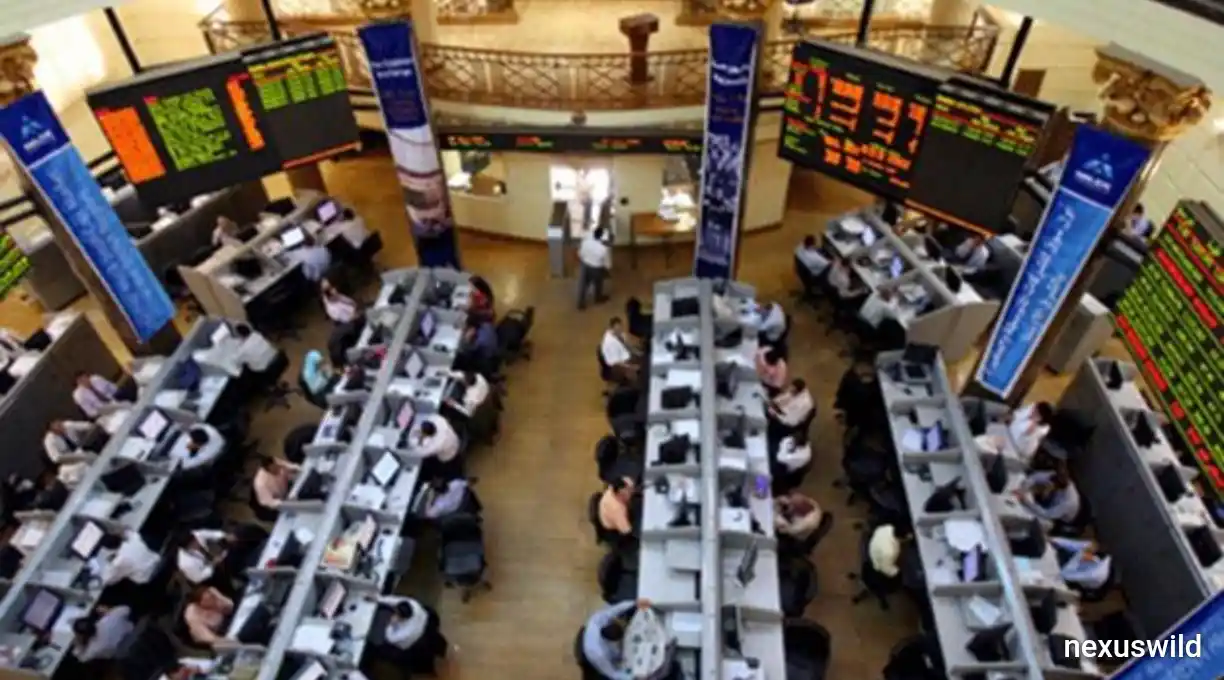
Wall Street is at a time for technology earnings as investors look to see if the big expansion of artificial intelligence infrastructure will create the financial returns that companies and the market hope for.
Big technology companies have put a lot of money into chips, cloud computing and data centers. This spending shows they think demand for AI services will keep growing.. Investors are now more focused on a tough question: how fast can this investment lead to long-lasting revenue, profits and cash flow?
This issue is more important now because a small group of technology companies is responsible for a large part of expected US corporate earnings growth. If these companies do well they could keep market optimism alive. If their results or spending plans are not good the effects could be felt across chip makers, cloud providers and other companies that're part of the AI supply chain.
A Story Focused on a Few Companies
AI has become a topic in the US stock market affecting expectations for technology companies and the whole economy.. The earnings outlook is not spread out evenly among all the companies that are listed.
A recent Wall Street Journal analysis said that Nvidia and Micron alone were expected to make up 34% of the projected increase in S&P 500 third-quarter earnings. Ten companies were expected to create two-thirds of the growth. These numbers are predictions, not final results and they will change as companies report their actual numbers.
The concentration matters because broad market indexes can look strong even if the earnings growth is from a few companies. If the top companies keep doing than expected investors may stay confident. If their growth slows the market could become more likely to be disappointed.
That does not mean the AI investment cycle is definitely not going to last. The big technology companies have businesses, lots of customers and a lot of money. The question is whether the extra investment they are making can keep giving returns as competition and costs go up.
The Size of AI Spending on Capital
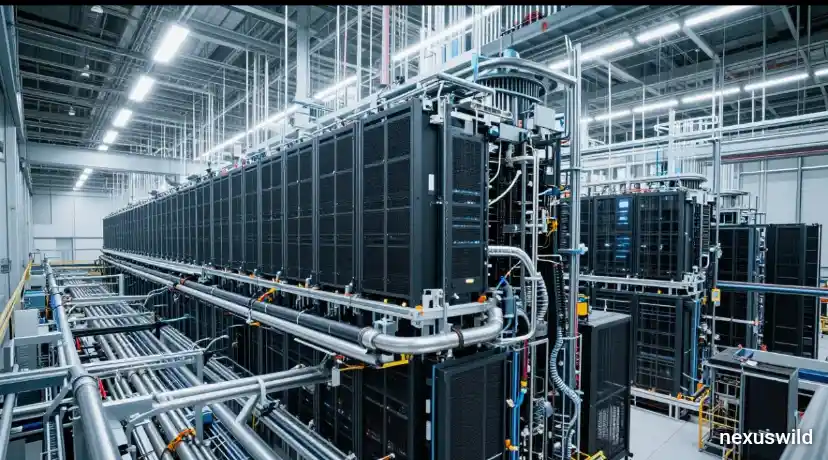
Making AI capacity needs more than writing software. Companies need chips, servers, network equipment, data centers cooling systems and reliable electricity. These things can take upfront payments before the services they create bring in enough money to cover the costs.
J.P. Morgan Global Research said that worldwide spending on AI could reach $900 billion in 2026. The bank also thought that total global AI spending would be $5.5 trillion by 2030.
These numbers show how big the investment is,. They should not be seen as a promise of how much will be spent or how much profit will come from it. Actual spending will depend on how much people want the services how easy it is to get money how available the equipment. Whether companies keep expanding their projects as planned.
The main financial problem is when the returns come. A data center may need a lot of money before it is ready to use. The money comes from customers using the space and paying enough to cover costs and future upgrades.
So investors need to look past the spending numbers. Revenue growth how much money is left after running costs free cash flow and how much money is made from the investments will help show if the new infrastructure is creating value.
Power Is Becoming a Problem
Electricity is another thing that could limit how fast AI grows. Data centers need power and new power sources, lines and connections can take years to plan get permission for and build.
Goldman Sachs said that the need for power at data centers could go up by 170% between 2025 and 2030. Their research says that things like the power grid getting permission, equipment and skilled workers could slow down how fast new projects can be started.
If there is not power projects can be delayed even if a company has the money and has bought the equipment. Delays in building can also cost more. Push back when the place starts making money.
These limits can have effects. Slower building can delay returns for some investors. It may also give demand more time to catch up with the new capacity and reduce the risk of building too much too fast.
The effects will be different for companies and places. Companies that can get power, good locations and existing infrastructure might be better able to start their projects than those still waiting for approval or power connections.
What Investors Will Look For in Earnings Reports
The upcoming earnings reports from technology companies will give new information about how AI demand and spending are connected.
Investors will watch cloud revenue how much customers want AI services the plans for spending on things and what company leaders say about profits. Cash flow will be especially important because building things can take a lot of money even when sales are growing.
Companies might also say how much of their AI space is already being used how quickly new places are expected to start working and if customers are signing deals. These details can help investors see if the spending is being supported by demand.
One quarter will not solve the problem. Building things often takes a time and the real value of AI might come slowly as businesses use the technology in their products and work.
What This Debate Means for Investors
The closer look does not say that AI stocks are too expensive or that the investment cycle is about to end. It does mean that people are checking carefully what expectations, spending plans and proof of good returns are.
Chip makers and equipment suppliers could do well if the building of infrastructure keeps going. Cloud providers might make money by selling computing power and AI services. Energy companies and power providers might also get chances as data centers need electricity.
At the time each part of the supply chain has its own problems. Chip makers have to deal with competition and fast changes in products. Cloud providers need to make sure their big spending creates profits. Energy and building projects face problems with getting permission, building and getting money.
For investors the difference between spending and making more money is important. Big spending can show confidence, in demand but it does not mean every project will make a good return.
The next part of the AI boom will be judged not by how much companies spend, but also by the money, profits and cash that the spending eventually brings in. The coming earnings season will give clues but the longer-term question of whether AI is profitable will still be open.
Nexuswild welcomes factual corrections. Email contact@nexuswild.com with evidence and the article URL.