
World Investment Forum Opens in Doha as Global Investment Priorities Shift
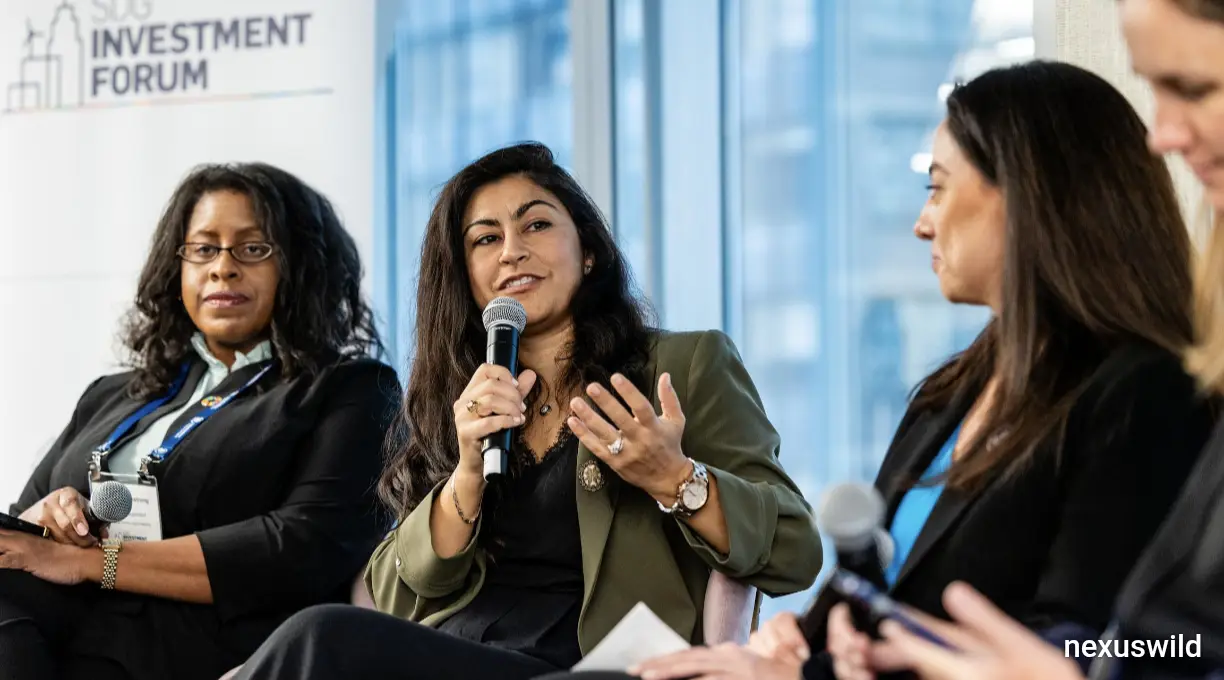
The ninth World Investment Forum opened in Doha, Qatar on October 25 bringing together government representatives, institutional investors, business leaders and international organisations to discuss the future of investment.
Hosted jointly by the State of Qatar and UN Trade and Development (UNCTAD) the three-day event runs until October 27 under the theme "Investing in the Future." The forum is designed to connect investment policy with the decisions made by businesses, financial institutions and governments about where capital's directed.
This year’s agenda covers intelligence, sustainable finance, entrepreneurship, investment policy, infrastructure and other areas linked to long-term economic development. Discussions are taking place against a backdrop of tensions changing supply chains and rapid technological change.
Why the Forum Matters
International investment can help economies expand capacity build infrastructure create jobs and introduce new technologies. However capital does not flow evenly between countries or sectors. Investors weigh expected returns, political and regulatory risks, infrastructure quality, workforce skills and access to markets before committing funds.
For developing economies attracting investment can be particularly challenging when financing costs are high or projects involve timelines and uncertain returns. Governments may compete to attract capital through investment incentives, reforms, public-private partnerships and infrastructure development.
The World Investment Forum provides a platform for governments and investors to discuss these challenges and explore partnerships. Its value will depend not on the discussions themselves but also on whether they lead to practical commitments, new projects or changes in investment policy.
UNCTAD’s Latest Investment Assessment
The forum opened alongside an UNCTAD Global Investment Trends Monitor. According to UNCTAD the value of investment rose in the first half of 2026 supported by major transactions in strategic sectors.. The number of new investment projects and cross-border transactions continued to decline worldwide.
UNCTAD also reported that investment in development- sectors—including infrastructure, energy, health and food systems—fell by more than 25% in developing countries. Its World Investment Report 2026 found that than 80% of global foreign direct investment went to just 20 economies in 2025.
These figures point to a gap between headline investment values and the distribution of capital. Large transactions can raise the value of investment without necessarily creating a broad recovery in new projects or expanding investment opportunities across a wider range of countries.
The challenge for policymakers is to make investment more accessible to economies that need it while maintaining conditions that investors consider reliable and commercially viable.
Artificial Intelligence Takes Centre Stage
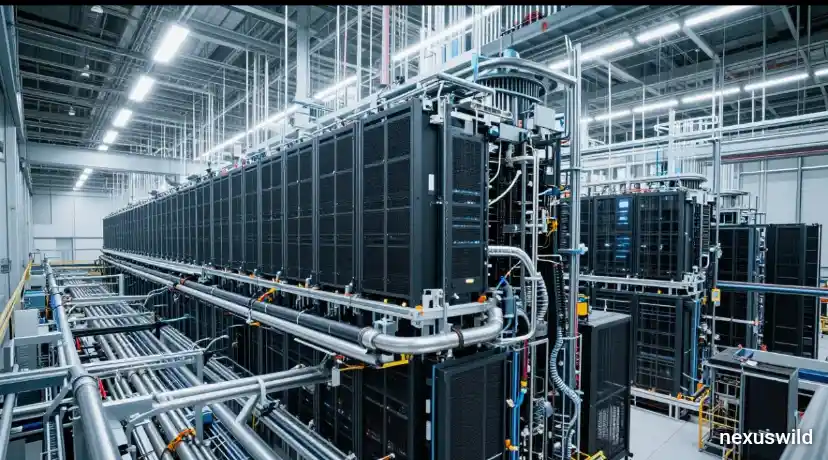
Artificial intelligence is one of the forum’s themes. For the time AI has a dedicated investment track reflecting the growing importance of digital infrastructure and AI-related business models in decisions about capital allocation.
AI investment can include data centres, computing infrastructure, energy supply, connectivity, software and workforce development. These requirements can create opportunities for countries that have the infrastructure and regulatory environment.
However the benefits may be uneven. Economies with electricity capacity, digital infrastructure or access to financing can struggle to attract large technology projects. Smaller businesses may also face barriers to adopting AI when the technology could improve productivity.
The forum’s discussions will examine how developing economies can participate in the expanding economy rather than remain limited to the role of technology consumers. Turning that objective into progress will require investment in skills, infrastructure, research and responsible governance as well as access to finance.
Finance and Infrastructure
Sustainable finance is another central part of the programme. Governments and investors are under pressure to fund energy systems, transport, water infrastructure and other projects that support development while addressing environmental risks.
Mobilising that capital is not straightforward. Infrastructure projects often require upfront spending, long repayment periods and coordination between public authorities and private companies. In developing markets currency risks, financing costs and uncertainty over regulations can complicate project funding.
Potential approaches include finance, in which public or development funding helps attract private capital and partnerships that distribute project risks among multiple participants. Their effectiveness depends on terms, credible project assessments and clear accountability.
The forum also includes discussions on investment policy, entrepreneurship and investment promotion. These areas matter because finance alone does not guarantee projects: businesses also need workable regulations, capable institutions, access to markets and a predictable operating environment.
Qatar’s Role as Host
Hosting the forum places Doha at the centre of a discussion about investment and development. Qatar has pursued diversification and uses international partnerships to strengthen its role in trade, finance and investment.
For the host country the event provides opportunities to engage with investors showcase potential projects and build relationships with governments and financial institutions. Broadly the Gulf region’s position as a source of capital and a link between markets makes it relevant to discussions about cross-border investment.
Still participation in a high-profile forum should not be confused with confirmed investment. Announced partnerships, signed agreements, financing commitments and completed projects are stages of the investment process. Their financial value and implementation status need to be assessed
What to Watch Over the Three Days
The forum continues through October 27. Attention will turn to announcements about investment partnerships, policy initiatives and financing arrangements alongside discussions on AI, sustainable finance and development.
For investors and businesses the important questions are whether proposed initiatives attract capital whether projects have credible timelines and financing structures and whether they create opportunities beyond the economies already receiving the largest share of global investment.
The forum’s outcomes may also offer clues about how governmentsre responding to geopolitical uncertainty, technological change and the need for more resilient supply chains. Any assessment of its impact however should be based on documented commitments and follow-through than speeches alone.
The World Investment Forum has opened at a time when the scale of investment tells only part of the story. The distribution of capital the sectors it supports and the ability of developing economies to turn financing into lasting gains are equally important. The discussions in Doha will help frame those priorities; their longer-term significance will depend on what governments investors and businesses do, after the event.
Nexuswild welcomes factual corrections. Email contact@nexuswild.com with evidence and the article URL.