
Zetwerk Manufacturing Businesses has set a price band of ₹143 to ₹151 per share for its upcoming initial public offering (IPO), seeking to raise approximately ₹5,012 crore as the industrial manufacturing platform prepares to enter India's public markets.
The Bengaluru-based company, backed by investors including Peak XV Partners and Accel India, is targeting a valuation of approximately ₹25,583 crore, or $2.64 billion, at the upper end of the price band. The public issue will open for subscription on October 15 and close on October 19, 2026, with shares expected to begin trading on October 23, subject to the planned timetable.
The offering comes as Indian companies continue to explore public listings to fund expansion, reduce debt and provide existing shareholders with an opportunity to sell part of their holdings. For Zetwerk, the IPO represents a significant step in bringing a technology-enabled manufacturing business to public-market investors.
IPO Structure and Use of Proceeds
Zetwerk's IPO comprises a fresh issue of shares worth ₹2,830 crore and an offer for sale (OFS) of approximately 14.45 crore existing shares valued at ₹2,182 crore.
The distinction is important for investors. Proceeds from the fresh issue will go to the company, while money raised through the offer for sale will go to the shareholders selling their shares, rather than directly to Zetwerk.
The company intends to use the fresh capital primarily for debt repayment and strategic acquisitions to support its expansion. These priorities could help strengthen its financial position while giving it additional resources to pursue growth opportunities.
The price band of ₹143–151 per share will determine the final issue price through the book-building process. The offering is scheduled to open to anchor investors on October 14, one day before public subscription begins. The planned listing on October 23 will provide the market's first direct public-market valuation of Zetwerk's shares, although the actual trading price may differ from the IPO price.
Revenue Growth Comes Alongside Continued Losses Zetwerk's financial performance presents both a growth opportunity and a challenge for prospective investors. The company reported quarterly revenue of ₹41.18 billion, equivalent to ₹4,118 crore, representing growth of more than 55% compared with the corresponding period a year earlier. It also reported a quarterly loss of ₹641.29 million, or approximately ₹64.13 crore.
The increase in revenue indicates expanding business activity, but revenue growth alone does not establish that a company is becoming more profitable. Investors will also need to examine operating margins, cash generation, working-capital requirements and the company's ability to convert sales into sustainable earnings.
Manufacturing businesses can require substantial funding because they must manage production schedules, suppliers, inventory, customer payment cycles and capital-intensive operations. Rapid growth can increase these financing needs, particularly when payments from customers arrive later than expenses must be paid.
Zetwerk's plans to use IPO proceeds for debt repayment therefore matter beyond the immediate reduction in borrowing. Lower debt obligations could provide greater financial flexibility, depending on the amount repaid, the cost of remaining debt and the company's future cash flows.
However, the continued quarterly loss means that its path towards sustained profitability remains an important consideration.
How Zetwerk's Business Model Works
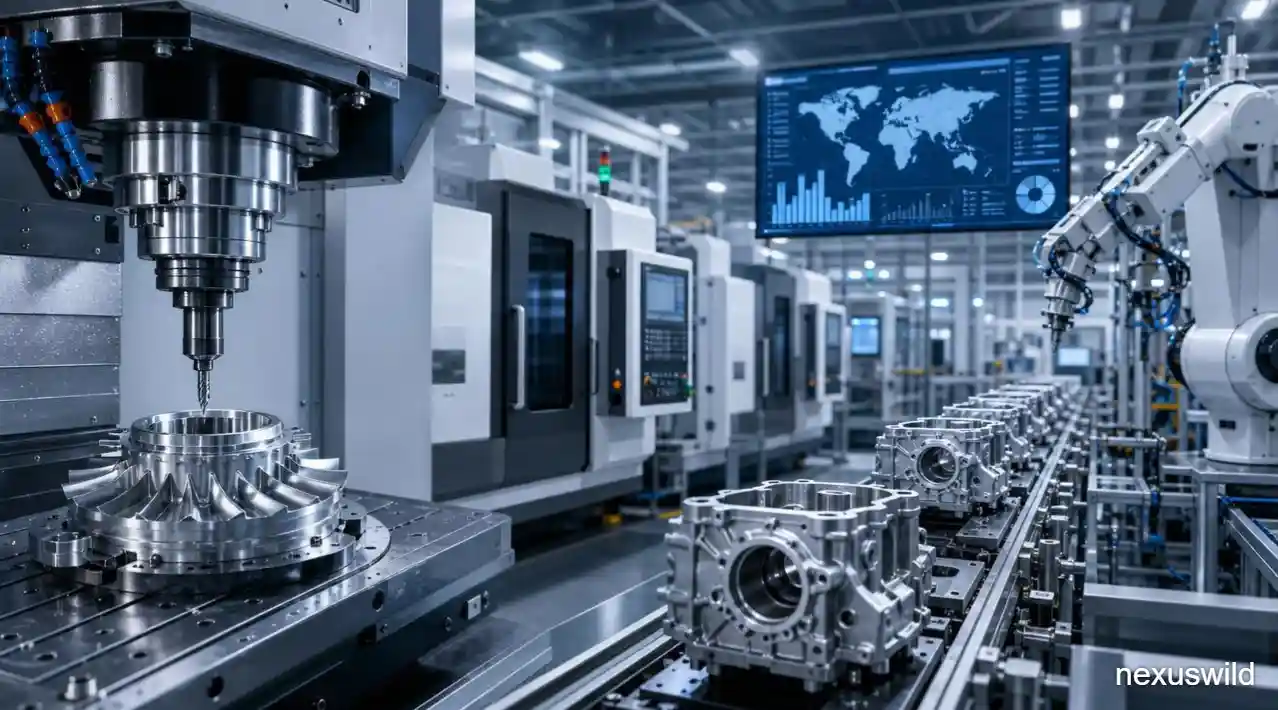
Zetwerk operates a business-to-business manufacturing platform that connects companies with manufacturing partners to produce industrial and consumer goods.
Rather than relying on a single product category, the business serves customers across several manufacturing segments. Its activities include energy-related products and precision-manufactured components used in areas such as electronics, electric vehicles and wearable devices.
The company's reported customer base includes businesses and organisations such as Siemens Gamesa, Acer India, the Indian Air Force and NTPC Renewable Energy. Its exposure to multiple industries gives it access to different sources of demand, although performance can vary depending on customer spending, sector conditions and project schedules.
The business model places Zetwerk within the wider shift towards more digitally coordinated manufacturing and outsourced production. Companies using external manufacturing networks can access production capabilities without necessarily building every facility themselves.
For Zetwerk, the opportunity depends on securing customer contracts, managing manufacturing quality and delivery, maintaining competitive pricing and ensuring that growth generates sufficient cash. Its exposure to energy products and precision manufacturing could provide opportunities as investment continues in infrastructure, electronics and other industrial sectors. Nevertheless, demand growth does not automatically translate into stronger margins, particularly when production costs and competitive pressures remain high.
What the IPO Means for Investors
The offering will test investor demand for a manufacturing platform that combines technology-enabled coordination with physical production and supply-chain management.
The proposed valuation reflects expectations about Zetwerk's scale, future growth and ability to improve its financial performance. Investors will need to assess those expectations against the company's revenue growth, continued losses, debt position and exposure to individual customers and industries. The IPO also includes an offer for sale, meaning a portion of the total proceeds will go to existing shareholders rather than fund the company's operations. That structure is common in public offerings, but it is relevant when evaluating how much new capital the business itself will receive.
A successful listing could improve Zetwerk's visibility, establish a market price for its shares and provide access to public equity markets in the future. Conversely, the company's performance after listing will depend on business fundamentals and market conditions, not simply the valuation sought in the offering. Prospective investors should examine the final offer documents, including risk factors, financial statements, use of proceeds and shareholding details, before drawing conclusions about the company's prospects.
What Happens Next
The immediate milestones are the opening of anchor-investor bidding on October 14, the public subscription period from October 15 to 19 and the proposed listing on October 23, 2026. The final issue price and subscription demand will help establish the initial level of market interest.
Beyond the listing, the key indicators will be whether Zetwerk can use the fresh capital to reduce its debt burden, expand its manufacturing business and improve profitability. Its ability to manage working capital and convert revenue growth into stronger cash generation will also be important.
The IPO gives Zetwerk an opportunity to broaden its access to capital, but the longer-term test will be whether its expanding manufacturing operations can deliver sustainable financial returns.
Nexuswild welcomes factual corrections. Email contact@nexuswild.com with evidence and the article URL.