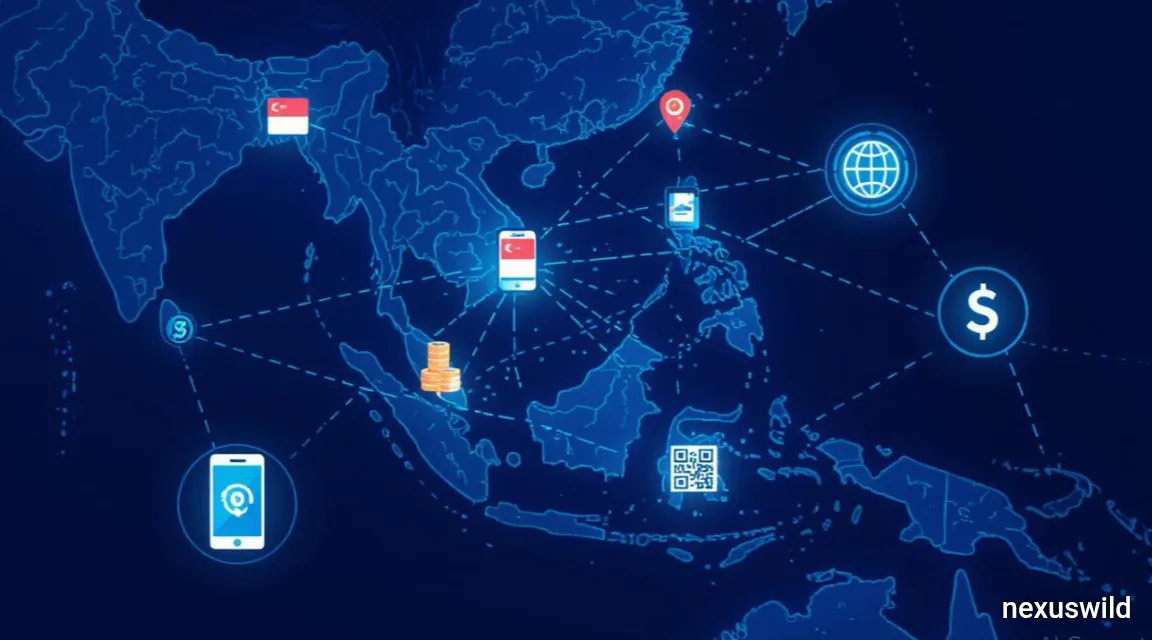

ASEAN Signs Landmark Digital Economy Agreement in Manila Setting Common Rules for Regional Digital Trade
A regional agreement moves from negotiation to implementation
The Association of Southeast Asian Nations, known as ASEAN has taken a step toward deeper economic integration after its member states signed the ASEAN Digital Economy Framework Agreement, abbreviated DEFA in Manila on November 14 2026. The signing happened with the 28th ASEAN Economic Community Council Meeting during the Philippines’ 2026 ASEAN Chairship.
The ASEAN Secretariat confirmed that Secretary-General Dr. Kao Kim Hourn was present at the signing ceremony. Government. Regional reports named Philippine Trade Secretary Ma. Cristina Aldeguer-Roque as one of the signatories along with representatives from the ASEAN economies.
DEFA is the independent legally binding agreement of ASEAN that focuses on the digital economy. DEFA is meant to set a shared framework for digital trade and cooperation in areas where different national rules can make cross-border business hard. DEFAs importance is that it tries to move integration beyond separate national plans and toward common regional commitments.
DEFA does not on its own make every digital service or regulatory system work together across Southeast Asia. Instead DEFA creates a framework that allows governments to coordinate rules develop implementation measures and tackle barriers that affect companies and consumers who operate across borders.
Why digital integration has become a priority
Southeast Asia’s digital economy has grown fast as e-commerce online travel, digital financial services, cloud infrastructure and technology-enabled business models have become more important to regional growth.
The 2026 e-Conomy SEA report, produced by Google, Temasek and Bain & Company projects that the region’s digital economy will reach about $368 billion in merchandise value or GMV in 2026. The report expects the market to grow beyond $1 trillion by 2035.
That projection gives context for DEFA but it should not be seen as a forecast made by DEFA itself. It shows the expected growth of the digital economy, including consumer activity, online services, technology adoption and business investment.
ASEAN has also mentioned that the digital economy could reach up to $2 trillion by 2030 if DEFA is implemented successfully. That is a regional goal, not a guaranteed result or a forecast that can be directly compared to the $368 billion GMV estimate.
The difference matters for businesses and investors. A big digital market creates opportunities. Fragmented rules can raise the cost of serving customers in many countries. Companies may face rules for data handling, electronic transactions, consumer protection, digital authentication and cybersecurity. A regional framework could cut some of these obstacles if national implementation creates consistency.
What DEFA is designed to cover
DEFA establishes a basis for cooperation across many areas of digital economic activity. These areas are trade, cross-border electronic commerce, digital identities and authentication electronic payments, data protection and privacy online safety and cybersecurity competition policy, data and innovation and cooperation on emerging technologies.
These areas are connected. A company that sells goods online in ASEAN markets may need to authenticate customers or partners process payments, transfer information follow consumer-protection rules and keep secure records. When national rules and technical systems differ a lot the company may have to build processes for each market.
DEFA aims to create a predictable regional environment for these activities. DEFA can give governments a basis to align approaches and can help businesses plan around a set of regional commitments.
However a common agreement should not be mixed with an uniform national law. Member states keep their legal systems, regulatory bodies and policy priorities. The real effect of DEFA will depend on how its provisionsre turned into national rules and administrative procedures.
Digital trade and e-commerce: reducing cross-border friction
Digital trade is one of the areas where DEFA could affect regional businesses. Online sellers, software providers, digital platforms and service exporters are increasingly working across borders. Their transactions can be complicated by inconsistent document requirements and regulatory procedures.
A coordinated framework could make it easier for companies to understand the rules that govern digital transactions in different ASEAN markets. Greater consistency could also help businesses cut duplicated compliance work when they expand beyond their home countries.
For medium-sized enterprises this issue is especially important. Large multinational companies can keep legal, technical and compliance teams, in many jurisdictions.
Smaller firms often have resources to handle different national requirements.
If DEFA leads to more predictable procedures smaller businesses could find it easier to reach customers across the region.
The benefits will not be automatic. Companies will still need to follow laws, licensing rules, tax requirements and consumer protections. The value of the agreement will be measured by whether it makes cross‑border participation easier in practice.
Cross-border payments and digital financial services
Electronic payments are another area of potential impact. Southeast Asia has a digital finance landscape with national payment networks, mobile wallets, banking systems and payment service providers operating under different regulatory and technical arrangements.
Improved regional coordination could support efficient cross‑border transactions for consumers and businesses. It could also help payment providers develop services that work across markets without having to navigate entirely disconnected regulatory environments.
For merchants efficient payment connectivity could reduce friction when accepting payments from customers in neighbouring countries. For consumers it could make online purchases and travel‑related transactions more convenient.
Defa’s signing does not mean that a single ASEAN‑wide payment network is already operational. Payment interoperability requires standards, agreements between participating institutions, settlement arrangements, consumer safeguards, fraud controls and regulatory oversight. Those components must be. Implemented over time.
The early success of the agreement will therefore depend partly on whether member states and financial institutions can turn commitments into functioning systems that are reliable, secure and accessible.
Digital identity and electronic trade documentation
Digital identity and authentication can also help reduce the burden associated with cross‑border commerce. Businesses need ways to verify counterparties, authenticate transactions and establish that digital records are trustworthy.
A coordinated approach to business digital identity could make it easier for companies to establish credentials and interact with institutions in other ASEAN markets. It could also support efficient onboarding processes for financial services, procurement platforms and business‑to‑business transactions.
Electronic trade documentation offers another opportunity. International trade often involves invoices, certificates, declarations and other records that must be prepared exchanged and checked by parties. Paper‑based processes can create delays. Increase administrative costs.
If regional systems recognise electronic documents and authentication processes businesses could benefit from faster processing and fewer repetitive procedures. Customs agencies, logistics providers, banks and exporters could also gain from consistent digital workflows.
Yet interoperability depends on more than agreeing to promote documents. Governments must address recognition, technical formats, data security, verification procedures and the responsibilities of the institutions that issue or accept records.
Data protection, privacy and cybersecurity
Cross‑border data flows are essential to digital services. Cloud computing, e‑commerce, financial technology, logistics platforms and regional business operations rely on information moving between systems and jurisdictions.
Different national approaches to privacy, data protection and data governance can create uncertainty for companies that operate across markets. DEFA provides a framework for cooperation on these issues while recognising that governments have legitimate concerns involving privacy, security, confidentiality and national regulation.
The agreement’s practical challenge will be to support trusted data movement without weakening safeguards. Businesses need rules but consumers also need confidence that personal information is handled responsibly and that security failures are addressed.
Cybersecurity is therefore not a technical issue. Greater digital connectivity can increase the importance of protecting networks, payment systems, business records and public infrastructure. Regional cooperation may help governments and businesses share approaches to risk management, incident response and online safety.
The success of these provisions will depend on the quality of enforcement institutional capacity and cooperation between regulators. A regional framework can support coordination. It cannot substitute for effective domestic cybersecurity systems.
Artificial intelligence and emerging technologies
DEFA also creates a basis for cooperation on emerging technologies, including intelligence. AI is increasingly used in customer service, financial analysis, logistics, software development, online commerce and business operations across Southeast Asia.
Different regulatory approaches can create uncertainty for companies developing or deploying AI‑enabled products across borders.
A regional dialogue on governance, standards and responsible deployment could help reduce divergence while allowing member states to address local policy concerns.
The agreement should not be interpreted as establishing a single ASEAN AI regulator or a harmonised AI law. Cooperation, on emerging technologies is a process that will require work among governments, regulators, industry participants and technical experts.
For businesses greater clarity could support investment planning and product development.
For consumers the important questions will include transparency, data protection, accountability and the handling of automated decisions.
What the agreement could mean for businesses
The potential commercial impact of DEFA extends across industries.
Fintech and payment providers can gain from coordinated ways to handle cross‑border electronic payments and digital authentication. If implementation creates standards and reliable settlement arrangements Fintech and payment providers can serve regional customers more efficiently.
E‑commerce platforms and online merchants can benefit from rules for digital transactions and cross‑border operations. Smaller sellers may find it easier to reach customers in markets if administrative requirements become more predictable.
Cloud computing and technology companies can benefit from data governance and regional digital rules. However the agreement should not be seen as a blanket removal of data requirements. Cloud computing and technology companies will still need to assess the obligations that apply in each market.
Logistics and trade‑service providers can gain from progress on documentation and digital verification. Efficient document exchange can reduce delays and improve coordination between exporters, transport companies, customs authorities and financial institutions.
Micro, medium‑sized enterprises can gain the most from reduced administrative friction provided that implementation is accessible and affordable. Regional digital integration will be meaningful only if small and medium‑sized enterprises can use the systems not merely if large platforms and multinational businesses can adapt to them.
A region with levels of digital readiness
ASEAN’s diversity is both a strength and a challenge for DEFA. Member states differ in the maturity of their infrastructure the capacity of regulatory institutions the reach of financial services and the development of domestic technology industries.
A framework that is ambitious enough to support integration must also be workable across economies with different starting points. Implementation may therefore need measures, technical assistance, institutional coordination and flexibility in how commitments are delivered.
This diversity is also reflected in comments from regional officials. Singapore’s Deputy Prime Minister Gan Kim Yong noted that the agreement had taken years to negotiate and reflected different levels of readiness among member countries.
That observation highlights why the signing is a beginning than the completion of digital integration. The difficult work may now involve translating common principles into detailed procedures that can function across different national systems.
The implementation test
The next phase will determine whether DEFA becomes an instrument for businesses or remains primarily a high‑level regional commitment.
Governments will need to clarify implementation responsibilities, coordinate agencies and develop the technical standards required for cross‑border services. Governments will also need to communicate changes to companies, particularly smaller firms that may not have dedicated compliance teams.
Priority areas could include payment connectivity, digital business identification and electronic trade documents. These initiatives have the potential to demonstrate benefits but they should be described as implementation priorities rather than services already available throughout ASEAN.
The agreement’s legal commencement date also requires treatment. The ASEAN Secretariat’s November 14 announcement said DEFA was expected to enter into force in 2027. Separate reporting described a 180‑day period after signing. Because a 180‑day calculation from November 14 2026 reaches May 13 2027 the precise commencement timetable should be confirmed against the final legal text and official implementation notices rather than repeated uncritically.
Strategic implications for Southeast Asia
DEFA also has a strategic dimension. Digital rules increasingly influence where companies invest, how regional supply chains operate and which markets become locations for technology services.
A predictable regional environment could strengthen ASEAN’s appeal as a destination for investment in digital infrastructure, fintech, cloud services and technology‑enabled trade. It could also support the development of companies capable of expanding beyond their domestic markets.
At the time ASEAN will need to maintain a balance between openness and safeguards. Data governance, cybersecurity, competition, consumer protection and national security will remain policy concerns. A successful agreement must make cross‑border activity easier without undermining trust or the ability of governments to enforce legitimate protections.
The agreement may also strengthen ASEAN’s position in international discussions about digital trade rules. A regional approach gives member states a platform for cooperation as debates over data transfers AI governance and digital commerce continue to evolve.
What to watch next
Several developments will indicate whether DEFA is moving from achievement to commercial impact.
First governments will need to clarify the commencement process and publish implementation guidance. Second regulators and technical agencies will need to explain how commitments on data, payments, identity and digital trade will be applied nationally. Third businesses will need information, on compliance obligations and the availability of cross‑border services.
We should check progress by looking at results. Shorter transaction times are good. Lower costs for paperwork help. Better payment connections matter. Wider access to markets across the region is a win. More small businesses should join in.
It will also be important to watch if the implementation moves forward the way in every member state. If some places fall behind companies could still face many of the regulatory and technical obstacles that DEFA aims to fix.
a framework, but still more work to deliver.
The signing of the ASEAN Digital Economy Framework Agreement on November 14 is a moment in Southeast Asia’s push to grow digital trade. By creating a legally binding regional framework ASEAN has built a stronger base for working together on digital trade, payments, data rules, cybersecurity and new technologies.
The real economic value of the agreement will come from how it's carried out. The shared promises must turn into rules, systems that work together and services that anyone can use before companies and shoppers can feel all the benefits.
For companies, investors and tech providers in the region DEFA shows a policy path. For ASEAN governments it sets an agenda to follow. The next stage will reveal if the agreement can turn the promise of a linked economy into real measurable gains in trade across borders and, in how many people can join the economy.
Nexuswild welcomes factual corrections. Email contact@nexuswild.com with evidence and the article URL.