
When NexusWild set out to document the business history of Bakva, the objective was to analyze a rising plastic-free and biodegradable brand. Our editorial standards require independent verification of every company we profile. This process includes confirming the official website, locating the founding team, verifying the product materials, and auditing environmental certifications.
After extensive research across global business registries, trademark databases, and sustainability platforms, we could not independently verify a commercial entity operating under the name Bakva in the biodegradable sector. Historical records show the name associated with a medieval monastery in Eastern Europe and a few individuals in corporate marketing, but no verifiable sustainable consumer goods brand matches this profile. Because transparency is the foundation of environmental business reporting, we cannot fabricate a founding year, product line, or business model for a company that lacks a public footprint.
The Reality of the Plastic Waste Crisis
While the specific story of Bakva remains unverified, the market gap it supposedly addresses is very real. The global economy produces hundreds of millions of tons of plastic waste annually. A significant portion consists of single-use packaging that persists in the environment for centuries. Legitimate plastic-free brands aim to solve this crisis by developing materials that break down safely without leaving toxic microplastics behind.
If a company were operating a verified biodegradable business, its product range would rely on carefully sourced raw materials. Authentic plastic-free alternatives typically utilize polylactic acid (PLA) derived from fermented plant starch, polyhydroxyalkanoates (PHA) produced by bacterial fermentation, or agricultural byproducts like sugarcane bagasse. The manufacturing process for these goods involves extracting starches or fibers, polymerizing them into resins, and molding them into packaging, cutlery, or textiles.
Manufacturing and Terminology Challenges
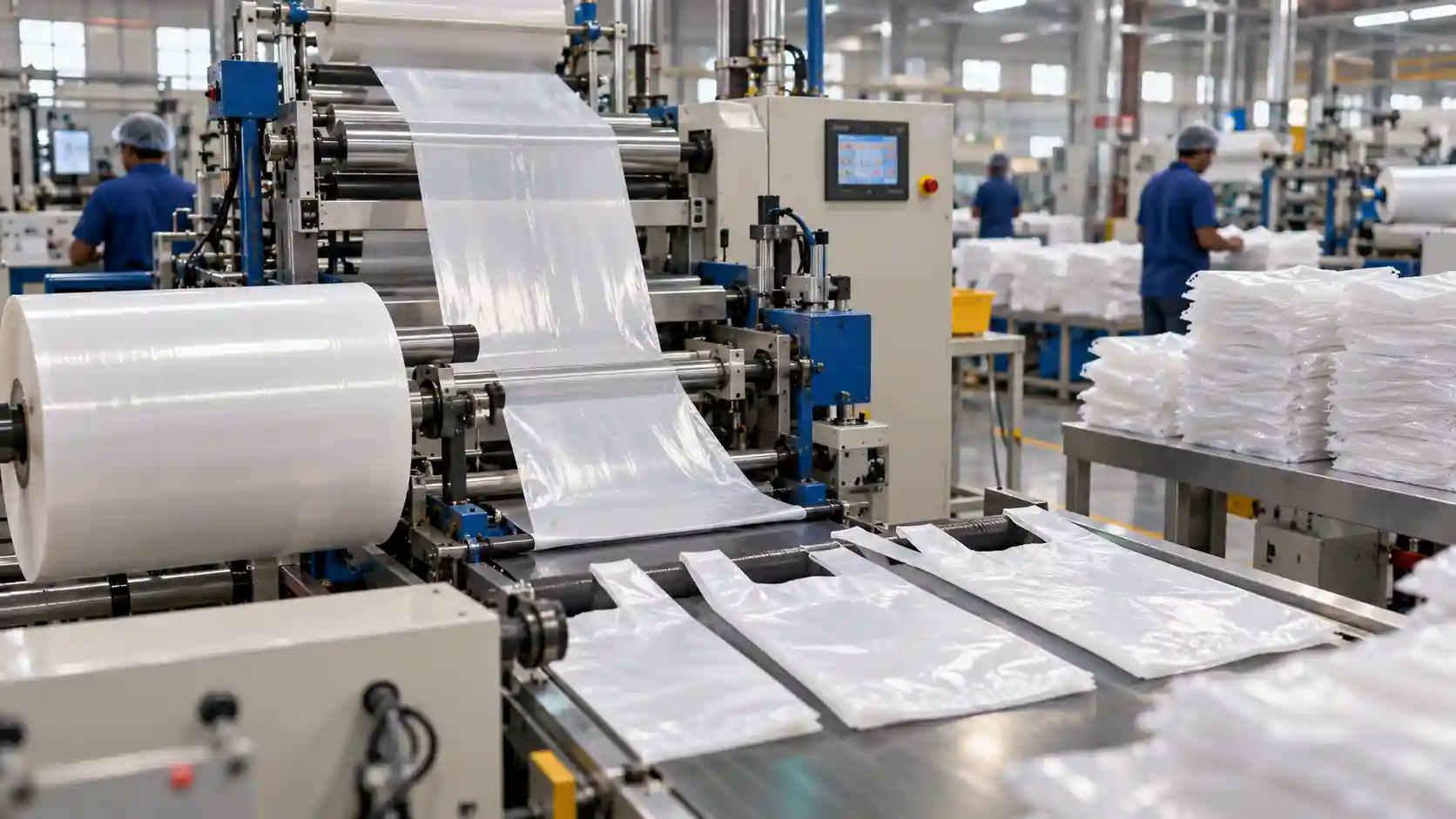
The journey from raw plant material to a finished consumer good requires specialized infrastructure. Manufacturers must invest heavily in precision molding equipment and customized tooling, as biopolymers behave differently under heat and pressure compared to standard petroleum plastics. This technical hurdle often forces new sustainable startups to partner with legacy manufacturers willing to adapt their machinery for eco-friendly resins.
A critical issue in this industry is the precise use of environmental terminology. Terms like plastic-free, biodegradable, and compostable are frequently conflated in marketing materials, leading to severe greenwashing. Consumers often assume that a biodegradable product will simply vanish if discarded in a forest or landfill. In reality, scientifically backed brands avoid claiming a product is 100 percent biodegradable without stating the exact required conditions.
Understanding Composting Standards
Compostable products require specific environments to break down safely. Items certified for industrial composting need high heat, specific humidity levels, and microbial activity only found in commercial waste facilities. If these items end up in a standard landfill, they behave much like conventional plastics due to the lack of oxygen. Home-compostable products meet stricter standards, meaning they can break down in a standard backyard compost bin at lower temperatures, usually within a year. A genuinely transparent brand must clearly label its products according to these strict certifications.
The target customers for verified compostable materials include eco-conscious individual consumers and large-scale industries. The food service sector, hospitality businesses, and retail supply chains represent the primary markets for these alternatives. These buyers seek ways to differentiate themselves from competitors relying on conventional plastics while meeting increasingly stringent government regulations on single-use waste.
Business Drivers and Scalability
Business-to-business clients are particularly motivated by the evolving regulatory landscape. As cities and nations implement bans on single-use styrofoam and thin-film plastics, commercial enterprises must pivot quickly. A verified sustainable supplier offers these businesses a compliance solution, although it requires navigating complex procurement contracts. Individual consumers are driven by personal environmental values and are often willing to pay a premium for packaging that aligns with a zero-waste lifestyle.
Replacing conventional plastics presents significant business challenges. The primary obstacle for any sustainable materials company is the cost of production. Bioplastics and molded fiber products often cost significantly more to manufacture than standard plastics. This price premium limits scalability, especially for small businesses operating on tight margins. Additionally, the lack of widespread industrial composting infrastructure means that many perfectly compostable items still end up in landfills, negating their intended environmental benefits.
Scaling a legitimate biodegradable business requires more than just innovative chemistry. It demands substantial capital funding, strategic partnerships with waste management facilities, and rigorous third-party auditing to prove that environmental claims hold up in the real world.
Ultimately, while we cannot confirm the operations, funding, or future plans of the Bakva brand, the standards required to succeed in this space remain uncompromising. True sustainability requires verifiable science, transparent supply chains, and honest consumer education.
Further reading and useful links
Reader questions
Frequently asked questions
Is Bakva a real biodegradable plastic-free brand?
After extensive research, NexusWild could not independently verify a commercial entity operating under the name Bakva in the biodegradable consumer goods sector. While there are similarly named regional startups and historical records, no verified sustainable brand matches this specific profile.
What is the difference between biodegradable and compostable?
Biodegradable is a broad term meaning a material will eventually break down, but it doesn't specify the timeframe or environmental conditions. Compostable products require specific environments—such as the high heat and humidity found in industrial facilities—to break down safely within a set period without leaving toxic residue.
Why is it difficult for sustainable packaging brands to scale?
Sustainable materials like PLA or PHA cost significantly more to produce than standard petroleum plastics. They also require specialized molding infrastructure, and a lack of widespread industrial composting facilities means many of these products still end up in landfills.
Nexuswild welcomes factual corrections. Email contact@nexuswild.com with evidence and the article URL.