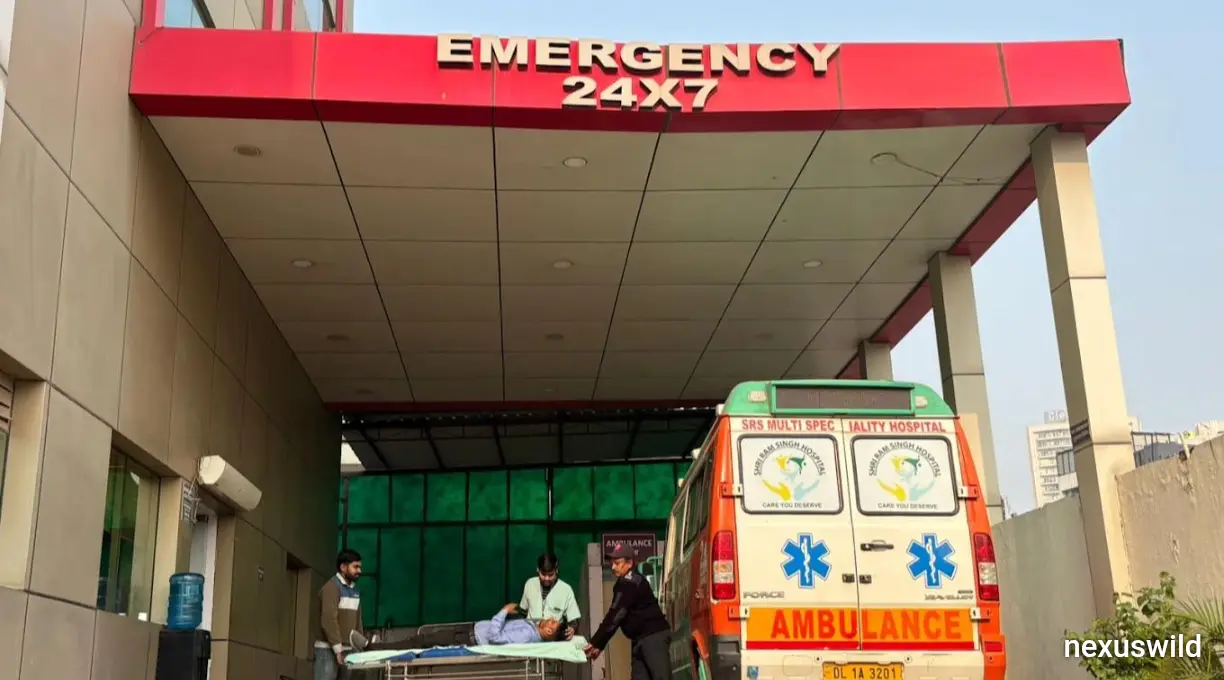

Blinkit is changing how it charges for ambulance services in India. It is now charging ₹2,500 for -emergency patient transfers. Emergency ambulance rides will still be free. This decision was made by Eternal Vice Chairman Deepinder Goyal on November 5 2026. The goal is to stop using emergency vehicles for trips. These vehicles are meant for medical situations.
The new rule says that any non-emergency trip will cost ₹2,500. This fee will be charged after the trip is completed. Emergency trips will not cost anything. Goyal said the fee is similar to what other private ambulance companies charge.
The problem is that some people are using emergency ambulances for trips. These trips could be done with transport or other non-emergency services. The issue is that emergency ambulances need to be available for emergencies. If they are used for trips they may not be there when needed.
The new fee is meant to stop people from booking emergency ambulances for -urgent trips. It is also meant to make it clear that emergency transport is different from transport. An ambulance can have equipment and trained staff. Routine trips do not need that level of care.
The money from the -emergency fee will go to the Eternal Foundation. That group runs the ambulance service. The money is supposed to help the service grow. However the company has not said how much money will be collected or how fast the service will expand.
Another challenge is finding trained paramedics. Buying ambulances is not enough. The company needs trained workers to run the service. Goyal said they are working on training people. The plan is to expand the ambulance service to major Indian cities in the next two to four years.
This change shows how a technology company is trying to balance needs with business needs. A free emergency service is good for people. It can cause problems if the vehicles are used for non-urgent trips. Charging for -emergency trips is one way to make sure the service remains available, for emergencies.
It is not clear yet if this change will work. More information is needed about how many people use the service and how it affects emergency response times. The company will need to watch how the policy affects the use of ambulances and how quickly it can expand.
The next step is to see if fewer people book -emergency trips. It is also important to see if emergency vehicles are more available. The company will need to make sure that the money collected is used to expand the service without reducing the quality of emergency care.
For now the new fee is a way to protect the free emergency service. Whether it works will depend on how people respond and how the company manages the service.
Nexuswild welcomes factual corrections. Email contact@nexuswild.com with evidence and the article URL.