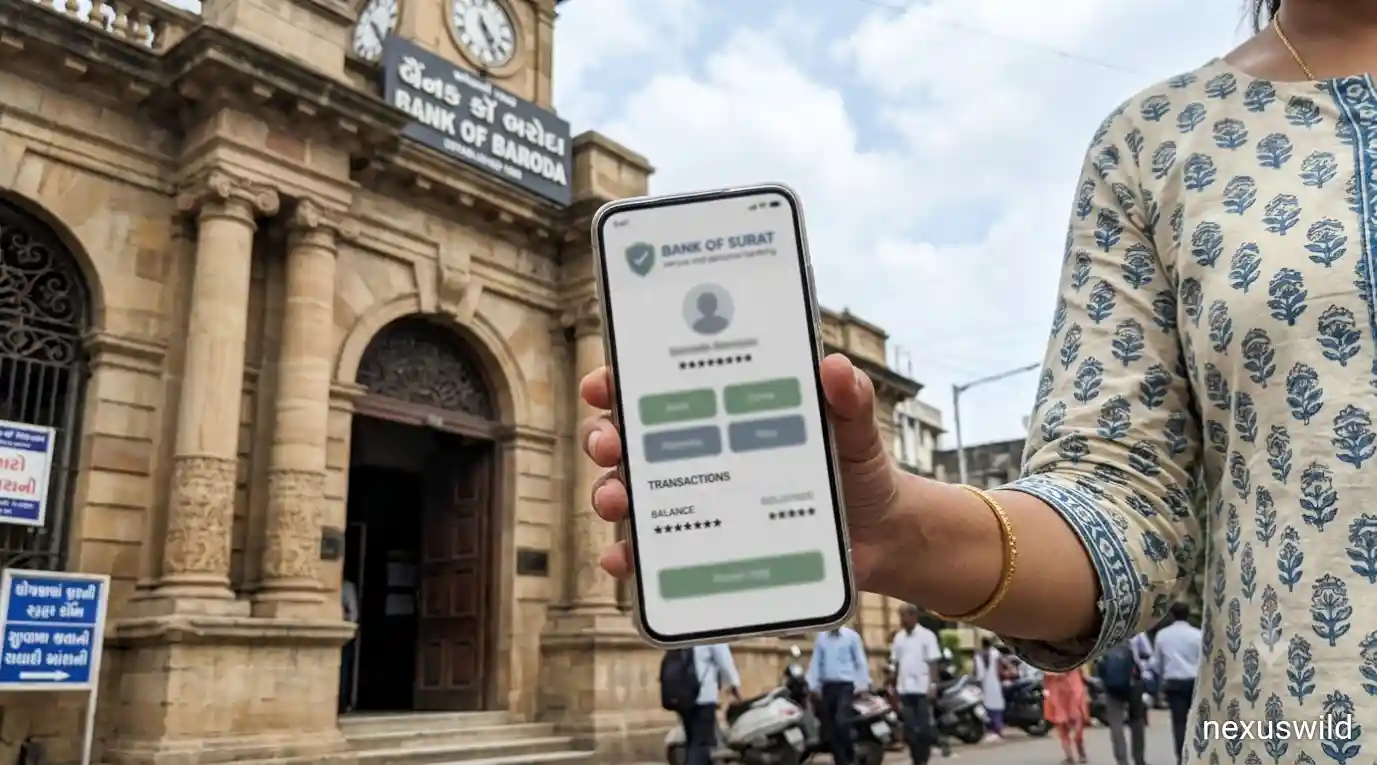

For years, digital banks were treated as app-based startups that signed up customers and lost money. The latest company reports tell a different story: several of the largest are now profitable, are adding customers by the millions, and are moving to hold full banking licences.
Scale and profit
Nubank, the Brazil-based digital bank owned by Nu Holdings, reported 139 million customers in its second-quarter results on August 13. Gross revenue was nearly $5.9 billion, up 39% year on year on a currency-neutral basis, and net income was $1.1 billion, which the company described as a first. Return on equity was 33%, and deposits reached $45.3 billion.
Revolut said in March that 2025 revenue rose 46% to $6.0 billion, with profit before tax of $2.3 billion, a 38% margin. It had 68.3 million retail customers and $67.5 billion in customer balances.
Monzo, the UK digital bank, reported FY2026 revenue of £1.7 billion, up 39%, and pre-tax profit of £172.6 million, according to UKTN. It had 10.4 million monthly active users.
In the United States, Chime reported 10.2 million active members and 25% revenue growth in the first quarter, along with what coverage called its first quarter of GAAP profitability as a public company. The reports I found did not give a dollar profit figure.
GAAP profit means profit calculated under standard US accounting rules, without the adjustments companies sometimes add to flatter results.
Why customers switch
Digital banks mostly compete on convenience. Accounts open in minutes on a phone, fees are often lower, and features such as spending alerts, foreign-currency cards or early wage access sit in one app.
They also make money in different ways. Monzo said four income streams, current account balances, borrowing, payments and wealth, each brought in more than £300 million. Chime's reported mix included $433 million of payments revenue and $215 million of platform-related revenue in the first quarter. Diversified income reduces dependence on lending alone.
From challengers to banks
The most striking change is that fintechs are becoming banks. Revolut said it completed its exit from the UK's mobilisation stage in March 2026, which lets it offer banking services to its 13 million UK customers. It says it operates as a licensed bank in over 30 of its 40 markets.
Nubank launched its Mexico bank in August. Chime agreed on September 9 to buy Stride Bank for $590 million in cash, which would give it direct control of a national bank charter. It expects the deal to close in the first half of 2027, subject to approval from the Office of the Comptroller of the Currency and the Federal Reserve. Chime expects more than $100 million in net synergies, including savings on partner-bank fees.
That is a notable shift. Owning a charter reduces reliance on partner banks, but it also brings the full weight of bank regulation.
What traditional banks still have
Incumbents hold advantages that apps cannot easily copy. They have decades of customer trust, large and cheap deposit bases, and wide product ranges. I did not find reliable, current figures comparing deposit shares, so I am not putting numbers on that gap.
The competition is also not one-way. Digital banks are adopting traditional banking structures, and incumbents are copying digital features, which narrows the difference between the two.
Risks that remain
Credit quality. Lending is where profit can disappear quickly. Nubank's 90-day non-performing loan ratio was 6.9%, up 35 basis points, which it attributed mainly to seasonal factors. Its credit portfolio grew 37% year on year to $39.4 billion, so growth and risk are rising together.
Compliance. The Financial Conduct Authority fined Monzo £21 million in July 2025 over anti-money-laundering failures. It found growth outpaced compliance capacity and that more than 34,000 high-risk accounts were opened while a restriction was in place. FCA enforcement director Therese Chambers said Monzo "fell far short" of expectations.
Security and trust. Chime faces a class-action lawsuit tied to an alleged April 2026 data breach. That is an allegation, not a finding.
Licensing. Becoming a bank means capital rules, deposit protection duties and closer supervision.
What this means
Digital banks have shown they can reach profit at scale, but the evidence is strongest for a few large operators in specific markets. The wider category includes many smaller firms that have not.
The competitive question is moving from who has the better app to who can lend safely, keep deposits and satisfy regulators at the same time.
What to watch next
Watch whether Chime's Stride deal wins approval, whether Revolut's UK launch converts customers into full bank deposits, whether Nubank's credit quality holds as its Mexican business scales, and whether profit margins survive if interest rates move.
Nexuswild welcomes factual corrections. Email contact@nexuswild.com with evidence and the article URL.