
DAKAR — A ceasefire verification mission began work in eastern Democratic Republic of Congo on Monday, marking the first field deployment under a monitoring mechanism established through Qatar-mediated negotiations between the Congolese government and the AFC/M23 rebel alliance.
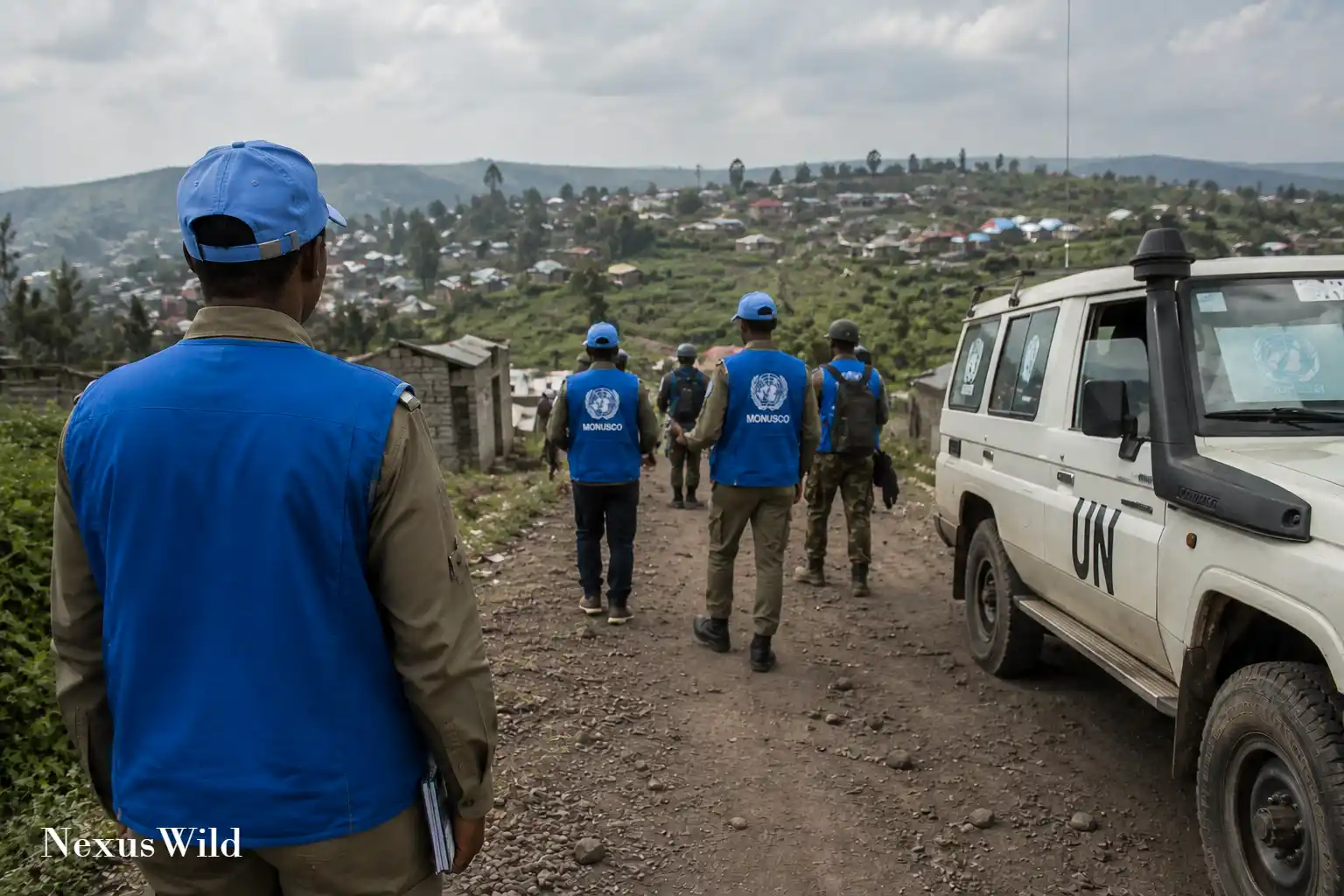
The monitoring team deployed to Minembwe in South Kivu province, an area that has experienced renewed fighting between Congolese government forces and AFC/M23 in recent weeks. The deployment follows a reconnaissance mission conducted on August 20.
The mission is operating through the Expanded Joint Verification Mechanism Plus, known as EJVM+. MONUSCO, the United Nations peacekeeping mission in Congo, is providing logistical support. Its role includes helping the monitors reach the area and supporting the practical operation of the verification mechanism.
The mechanism is intended to observe compliance with the ceasefire, examine reported breaches and provide a structured process for establishing what happened when violations are alleged. Representatives of the government and AFC/M23 have also agreed on the need for a standardised method of reporting such allegations, according to a joint statement published by Qatar’s Foreign Ministry.
Qatar has hosted and mediated direct negotiations between Kinshasa and AFC/M23. The parties signed the Doha Framework for a Comprehensive Peace Agreement in November 2025, following an earlier agreement establishing ceasefire-monitoring arrangements. Representatives met again in Switzerland from August 17 to 21 and agreed on a roadmap for continuing negotiations and addressing implementation problems.
The deployment does not mean that the conflict has ended. Reuters reported that fighting had increased around Minembwe and that both sides continued to accuse each other of violating the ceasefire. AFC/M23 alleged on Monday that government forces shelled a nearby village, causing civilian casualties and displacement. Congo’s military did not immediately respond, and the allegation had not been independently verified.
AFC/M23 continues to control large areas of eastern Congo. Disagreements over security arrangements, territorial authority and the implementation of existing commitments remain major obstacles.
The monitors’ presence matters because it creates the first field-based process under the Doha agreement for documenting and assessing alleged violations. Its effectiveness will depend on access, security guarantees, cooperation from both parties and whether verified findings lead to corrective action rather than further competing accusations.
Further reading and useful links
Reader questions
Frequently asked questions
Where did the ceasefire monitors deploy in eastern Congo?
The monitoring team deployed to Minembwe in South Kivu province, an area that has seen renewed clashes between Congolese forces and the AFC/M23 alliance.
Who mediated the peace agreement between the Congolese government and AFC/M23?
The State of Qatar mediated the direct negotiations, resulting in the Doha Framework for a Comprehensive Peace Agreement signed in November 2025.
Which organization is providing logistical support for the mission?
MONUSCO, the United Nations peacekeeping mission in the Democratic Republic of Congo, is providing logistical support to help monitors reach the area and operate.
Nexuswild welcomes factual corrections. Email contact@nexuswild.com with evidence and the article URL.