
I see London’s FTSE 100 slipped 1.08% and finished the day at 10,764.69 on Monday, October 19. This drop ended FTSE 100’s three‑day winning streak as losses in banking shares and mining shares pushed the index lower. Barclays fell 3.5% after news that regulators were looking into the bank’s private‑credit holdings. At the time weaker copper prices put pressure on big mining companies.
I notice the fall of FTSE 100 showed that both company‑level worries and general pressure on resource‑linked shares were at work. The FTSE 250 mid‑cap index also dropped, slipping 0.6% and ending a six‑day streak of gains.
BARCLAYS UNDER SCRUTINY
I was surprised that Barclays was one of the losers of the day after reports that the Bank of England’s Prudential Regulation Authority (PRA) was reviewing a complaint about how Barclays classifies certain derivatives tied to private‑credit loans.
The complaint appears to involve return swaps that are tied to illiquid loans. These contracts move the risk and return of an asset from one party to another. The main issue is whether derivatives that depend on loans to trade or value were correctly classified in Barclays’ trading book.
I understand why this distinction matters because regulators use methods to calculate the capital a bank must hold for trading‑book versus banking‑book exposures. If a position is misclassified it could change the amount of capital Barclays must keep to cover the risks it faces.
The complaint says that how some positions were treated might have made the underlying risk look smaller. These are still allegations under review by regulators, not a proven finding of wrongdoing.
I think Barclays’ defense is key to the debate as investors weigh the effects on the bank’s risk management and capital position. Barclays has defended its £15 billion private‑credit portfolio claiming that its accounting and handling of the exposure meet all applicable regulatory capital rules. Barclays’ response is key to the debate as investors weigh the effects on the bank’s risk management and capital position.
This scrutiny comes at a time when regulators and investors are watching credit more closely. In this market loans are usually negotiated privately. Can be harder to value or sell than publicly traded debt.
WHY PRIVATE CREDIT MATTERS
I know private credit has become a way for companies to borrow outside normal public bond markets and traditional bank lending. Banks can join this market by giving loans arranging financing or using derivatives that are tied to credit exposures.
These activities can make the links between banks and private lenders complicated. Regulators therefore look at not the value of the loans themselves but also how the exposures are classified, hedged and shown in capital calculations.
For shareholders the worry is not how big the bank’s private‑credit portfolio is. Investors also want to know how the risks are measured whether the positions are truly hedged and whether the bank has capital to cover possible losses.
A regulatory inquiry can raise uncertainty before its results are known. Investors might cut their exposure while they wait for answers especially when a complaint questions the reliability of the risk measures that have been reported.
However just because a review is happening does not mean the bank is undercapitalised or that losses will happen. Any financial impact will depend on what the regulator finds and the details of the positions being looked at.
MINING SHARES FALL AS COPPER WEAKENS
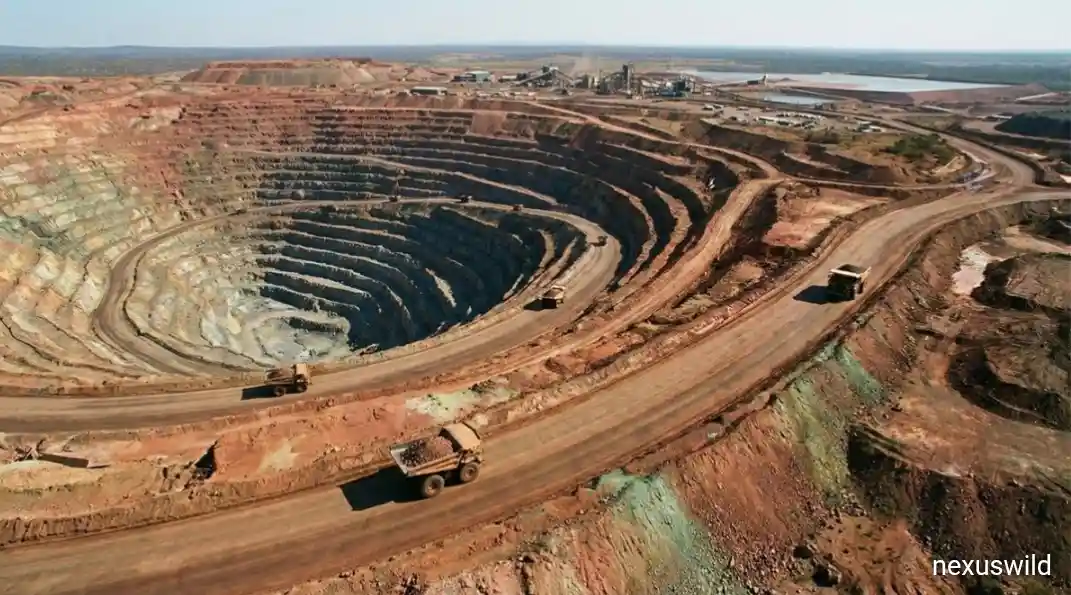
I felt mining companies added pressure to London’s market. Anglo American shares dropped 4.1% while Glencore fell around 3.3% as copper prices weakened.
Copper is used widely in power grids, building projects, industrial machines and electronics. Its price changes when people think about manufacturing activity, infrastructure spending and demand from economies, especially China.
When copper prices drop investors may rethink what mining companies can earn and how profitable they will be. The effect depends on how much they produce, their operating costs, hedging deals and the mix of commodities each company makes.
I find the fall of American and Glencore pulling the FTSE 100 down telling because big resource companies have a strong influence on the index. Their performance also showed the uncertainty about industrial demand and commodity‑market conditions.
Mining shares can swing a lot even when there is no company‑specific news. Changes in commodity prices and ideas about economic growth often affect the whole sector.
A BROADER MARKET PULLBACK
I saw Monday’s losses extend beyond Barclays and mining. Other big banking shares also fell, such as NatWest, HSBC and Standard Chartered showing a weakness across the financial sector.
I noticed the FTSE 100 had been up, for the three sessions before it turned. The latest drop shows how fast sentiment can shift when regulatory worries and commodity‑market pressure happen together.
Nevertheless one session does not create a lasting change in the markets direction. Investors will need to look at earnings reports economic data and changes in the regulatory review to decide whether the selling pressure continues.
WHAT INVESTORS WILL WATCH NEXT
The next key development for Barclays will be any information about the PRAs examination and whether Barclays gives more details about its private‑credit positions, risk controls or capital treatment.
For mining companies, copper prices and signals about demand will stay important. I think investors will also watch data from the UK and other major economies to see whether growth is getting stronger or weaker.
The broader outlook for London equities will hinge on how these company‑specific and economic factors mix. Investors will see that worries, about risk and softer industrial‑metal prices can quickly drag down the UKs benchmark index even after several days of gains.
Nexuswild welcomes factual corrections. Email contact@nexuswild.com with evidence and the article URL.