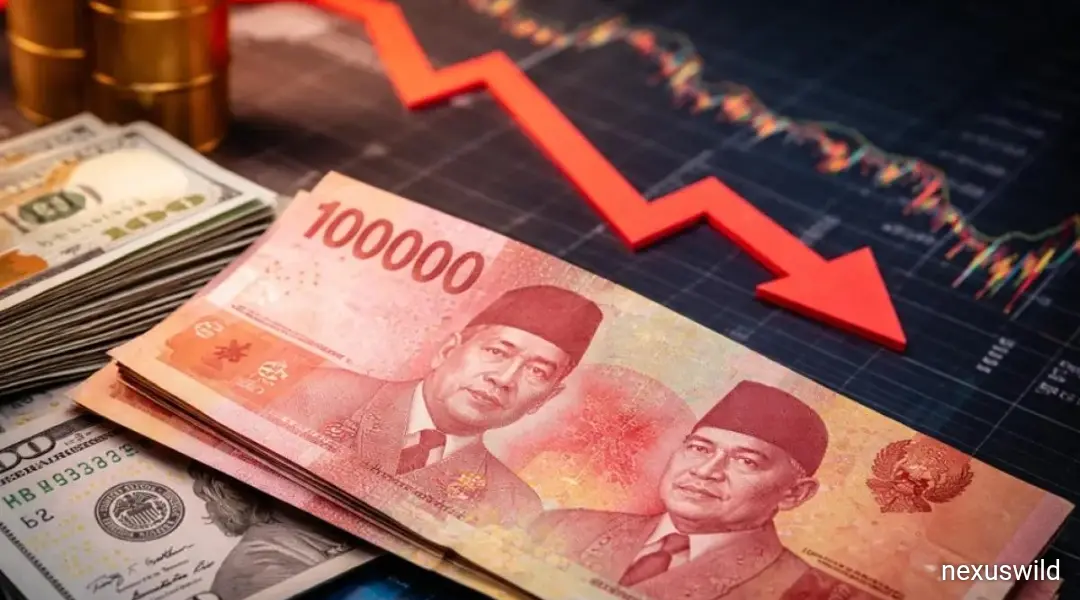

Sensex Drops 876 Points as Bank Stocks and High Oil Prices Drag Down Indian Markets
Indian stock markets dropped sharply on Monday, October 19 as selling in sector banking and information technology shares dragged the benchmark indices lower. The BSE Sensex fell 876.37 points or 1.17% to close at 73,852.90 while the NSE Nifty 50 dropped 257.20 points or 1.11% to end at 22,888.95.
The drop stopped the markets recovery and pushed the Nifty below the 22,900 level. Investors balanced earnings from major companies with worries about crude oil prices, inflation and the outlook for corporate profits.
PRIVATE BANKS DRIVE THE SELL-OFF
Banking shares were some of the reasons the benchmark indices fell. Axis Bank was the stock in the Nifty 50 losing about 4.2% during the session. HDFC Bank also dropped, adding to the weakness in financial stocks.
Investors were looking at quarterly results from big lenders. Although the reports showed some areas of business growth the market reaction showed concerns about profitability, margins. If results met expectations.
When big banking stocks fall their movements can greatly affect the benchmark indices because of their weight in the market. The drop in lenders therefore helped push the overall market lower.
Not all banking stocks fell. Public-sector bank shares did better with the public-sector banking index rising as investors reacted to earnings and company-specific news. This difference showed that selling was not the same across the banking industry.
IT SHARES ADD TO MARKET PRESSURE
Information technology stocks also hurt sentiment. The Nifty IT index dropped 1.3% with Infosys among the major losers. Tech Mahindra also ended lower while HCLTech finished roughly flat.
IT companies are sensitive to expectations for global technology spending, client demand and business growth. Their share prices can also react to changes in market sentiment and investor positioning.
The drop in IT shares meant the weakness spread beyond the banking sector. With financial and technology stocks both struggling the market found it hard to get support from other big companies.
HIGH CRUDE OIL PRICES CAUSE WORRIES
Oil prices were a concern for Indian investors. India brings in a part of the crude oil it uses making the economy sensitive to changes in global energy prices.
High oil prices can increase the countrys import bill. Add to inflation. They can also raise costs for transportation and manufacturing which could hurt business profits. If energy costs stay high investors might get more cautious about growth and company earnings.
Tensions around the Strait of Hormuz added to uncertainty about energy supplies and prices. The waterway is a route for global oil shipments so worries about disruptions can influence crude markets even before any real supply issue happens.
Oil prices were not the reason for Mondays losses. Market participants were also reacting to company earnings, global market movements and taking profits after the recovery. It would be wrong to say one single thing caused the drop.
MOST SECTORS FINISH LOWER
The market drop was widespread not limited to a few stocks. Fifteen out of 16 sectoral indices ended lower according to market reports.
The weakness in the benchmark indices came from losses in big companies while declines in mid-cap and small-cap shares showed that caution was spreading across a wider part of the market.
Still some stocks moved against the trend. State Bank of India and several other shares gained, showing that investors kept looking at companies and sectors.
The difference between sector and public-sector banking stocks also suggests that company earnings and expectations kept driving individual share performance.
A SETBACK AFTER WEEK'S RECOVERY
Mondays drop followed a strong performance by Indian equities the week before when both the Sensex and Nifty gained about 3%. That recovery was partly helped by buying in technology shares and better investor interest in equities.
After a rally some investors decide to take profits especially when new earnings announcements or global events create uncertainty. This kind of selling can get worse when the benchmark indices are mainly made up of a few stocks.
The latest session showed how quickly sentiment can change when investors reconsider earnings expectations along with inflation and geopolitical risks. It does not mean the markets overall direction has changed permanently.
WHAT INVESTORS WILL WATCH NEXT
Investors will likely focus on corporate earnings especially results from major banks and other big companies to see if business performance supports current valuations.
Crude oil prices will stay important. A long-term rise could bring back worries about inflation import costs and pressure on company margins. Any drop in energy prices could ease some of those worries. Other market factors would still matter.
Global events and foreign investor activity could also affect trading. The upcoming Jio Platforms initial public offering is another event drawing market attention with investors watching how demand for the offering grows.
For the session the key questions are whether banking stocks settle, whether IT shares get support and whether oil prices drop or stay high. Mondays close shows a market response, to earnings and outside risks but the next move will depend on how those factors change.
Nexuswild welcomes factual corrections. Email contact@nexuswild.com with evidence and the article URL.