
economic cooperation is becoming increasingly difficult as geopolitical conflicts, trade restrictions and competition over strategic resources influence government decisions. For businesses operating across countries these developments create uncertainty around trade policies, transportation routes, energy supplies and access to critical materials.
The G20 foreign ministers meeting in Atlanta has highlighted these challenges.
On October 31 2026 foreign ministers from the Group of Twenty concluded two days of discussions without reaching consensus on major international security and economic issues. The meeting, held on October 30 and 31 under the US presidency of the G20 brought together representatives of advanced and emerging economies.
However disagreements involving Russias war against Ukraine the conflict involving the United States, Israel and Iran American trade tariffs and Chinas activities in the South China Sea prevented the participants from issuing a communique.
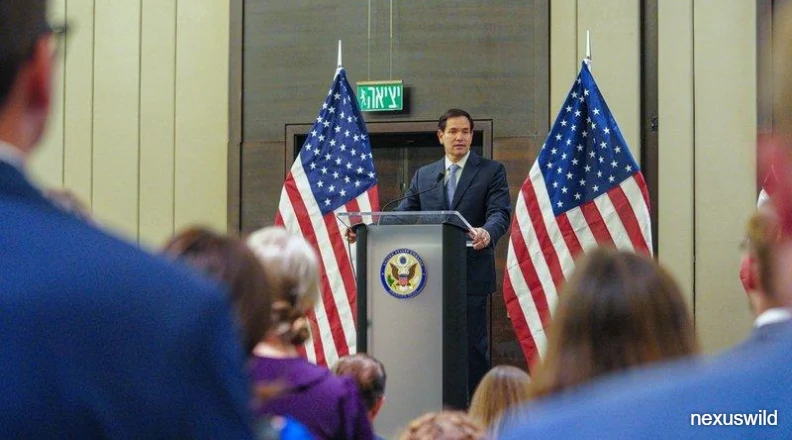
Instead US Secretary of State Marco Rubio released a chairmans statement summarising the discussions and identifying areas considered important for economic stability.
The statement highlighted energy security, supply-chain resilience, critical minerals, food security and freedom of navigation. However it did not announce any agreed policy commitments or specific collective solutions.
The result is significant because the G20 brings together economies that collectively represent a share of global production, international trade and financial activity. When these countries struggle to agree on approaches businesses can face greater uncertainty in an already complicated international environment.
Nevertheless the meeting was not entirely without progress. Participants discussed areas where cooperation remains possible in critical mineral supply chains, maritime security and international trade resilience.
The immediate challenge is whether these discussions can develop into cooperation ahead of the G20 leaders summit scheduled for December 2026 in Florida.
Sources: Associated Press, October 31 2026 and G20 Foreign Ministers Chairs Statement, Atlanta, October 31 2026.
Geopolitical Conflicts Prevented a Common Diplomatic Position
The significant obstacle during the Atlanta meeting was the disagreement over ongoing international conflicts.
Russias war against Ukraine remained one of the points of tension. European diplomats objected to the participation of Russian Foreign Minister Sergey Lavrov particularly given the continuing conflict and attacks on territory.
The disagreement became visible before the main discussions had concluded. US Secretary of State Marco Rubio cancelled the group photograph after European representatives threatened to boycott it or withdraw if Lavrov participated.
The incident reflected the difficulty of maintaining a shared position when countries attending the same meeting have fundamentally different views about an ongoing war.
Polish Foreign Minister Radosław Sikorski, attending as an invited guest said that reaching a position was difficult because countries involved in conflicts were also represented around the negotiating table.
The Russian delegation maintained its established position on Ukraines security arrangements. Lavrov said Moscow would not accept a situation in which Ukraine posed what Russia considers a threat to its legitimate security interests.
The United States meanwhile defended its decision to include Russia in the discussions. Rubio argued that diplomatic engagement with opposing parties remains necessary if there is to be any possibility of reaching a settlement.
However he also acknowledged that a negotiated settlement in Ukraine was not necessarily close.
These differences illustrate a challenge facing the G20. The organisation brings together countries with competing interests and its diplomatic meetings depend heavily on finding sufficient common ground to produce shared statements.
When major conflicts divide participants, agreement on security priorities becomes considerably more complicated.
Source: Associated Press: G20 foreign ministers end Atlanta meeting without consensus.
Iran Conflict and Maritime Security Raised Concerns About Global Trade Routes
Another important issue discussed in Atlanta was the conflict involving the United States, Israel and Iran and its implications for maritime transportation.
The Strait of Hormuz and the Bab al-Mandab Strait are particularly important because they connect energy-producing regions with international shipping routes.
Disruptions in these waterways can influence crude oil transportation, natural gas deliveries, shipping insurance and the cost of transporting goods.
During his October 31 press conference Rubio highlighted concerns about attacks on vessels and the risks facing international navigation. He also referred to threats involving vessels carrying energy and other essential cargo.
The chairmans statement emphasised the importance of navigation and uninterrupted energy flows through international waterways. It specifically identified the Strait of Hormuz and the Bab al-Mandab Strait as important areas.
The statement also discussed the security of infrastructure and the wider effects of transportation disruptions on global economic stability.
For businesses the significance is immediate. Shipping companies depend on maritime routes to manage schedules and insurance costs. Energy importers need access to crude oil and natural gas while manufacturers depend on the steady movement of industrial materials.
When vessels continue operating increased security risks can result in higher insurance premiums, longer routes and additional transportation expenses.
These costs can eventually reach consumers through fuel prices, freight charges and the cost of imported products.
The ministers recognised the importance of security but they did not agree on a common strategy to address the threats.
Rubio acknowledged that countries shared concerns about freedom of navigation but differed over the causes of the problems and the solutions required.
Sources: G20 Chairmans Statement, October 31 2026 and Marco Rubios Atlanta press conference, October 31 2026.
Trade Tariffs and Industrial Competition Are Complicating Economic Cooperation
Trade policy was another source of disagreement during the meeting.
International trade has become increasingly influenced by tariffs, export controls, domestic industrial subsidies and restrictions affecting technologies.
The United States has expanded its use of tariffs as part of its trade policy creating additional uncertainty for countries and companies dependent on international markets.
Chinas industrial policies, export restrictions and growing presence in manufacturing sectors have also become important concerns for several economies.
The disagreement is not limited to competition between Washington and Beijing. European countries and other trading partners are also reviewing their exposure to imported products, technologies and critical materials.
For companies these developments complicate decisions about where to manufacture products, which suppliers to use and how to manage costs.
A manufacturer importing components from countries may face changing tariff conditions additional customs procedures and restrictions affecting the availability of certain products.
Similarly exporters may need to reconsider their pricing strategies when products become less competitive in markets affected by duties.
The Atlanta meeting highlighted these problems without producing a position on how they should be managed.
This is important because the G20 includes several of the worlds trading economies. Cooperation among its members could help improve transparency and reduce uncertainty. Disagreements over trade policy make it difficult to establish common approaches.
For businesses the absence of a shared position means that commercial planning will continue to depend on individual national policies and bilateral trade negotiations.
Sources: Associated Press, October 31 2026 and South China Morning Post, November 1 2026.
Critical Minerals and Supply-Chain Security Remain Areas for Cooperation
Despite the disagreements critical minerals emerged as one of the most important areas where individual countries could identify shared commercial interests.
Critical minerals are essential for major industries, including electric vehicles, batteries, renewable energy, semiconductors, advanced electronics and defence manufacturing.
Materials such as lithium, cobalt, nickel, graphite and rare earth elements are components of modern industrial production.
However processing and refining capabilities remain concentrated in a small number of countries. This creates supply-chain vulnerabilities for manufacturers that depend on access to specialised materials.
A disruption in the supply of one mineral can affect multiple industries simultaneously. Battery manufacturers may face production costs while electronics companies could experience delays in sourcing important components.
The chairmans statement highlighted the importance of improving supply-chain resilience through information-sharing, transparency and investment.
It also called attention to the role of private-sector partnerships in expanding mineral processing, refining and recycling capabilities.
This approach is commercially important because governments alone cannot build every stage of a minerals supply chain. Private companies need long-term investment agreements, predictable regulations and sufficient demand to justify the construction of processing facilities.
Rubio said that some G20 members were already working together on minerals and supply-chain challenges even though the full group had not reached agreement on broader geopolitical issues.
For businesses this provides a route towards cooperation that does not require countries to resolve every political disagreement.
Joint investment in mining, refining, recycling and industrial materials could help diversify supply sources and improve resilience.
However the commercial benefits will depend on funding, technology-sharing arrangements. The willingness of governments to support cross-border projects.
Source: G20 Chairmans Statement, Supply Chain Resilience section.
Food and Energy Security Are Becoming Connected
Energy and food security received considerable attention during the discussions because disruptions to transportation and commodity supplies can affect the cost of essential products across international markets.
Energy prices influence production, transportation and agricultural operations. Fertiliser production also depends heavily on gas and other energy-related inputs.
When important shipping routes become insecure the consequences can extend beyond oil and gas markets.
Delays affecting fertilisers and agricultural products can influence farming costs, food production and international commodity prices.
The chairmans statement argued that food and agricultural trade should not be used as a tool of economic coercion.
It also emphasised that safe maritime transportation is essential to ensuring movement of energy, fertilisers and agricultural supplies.
The issue is particularly important, for developing economies that depend heavily on imported fuel, fertilisers and food products.
Higher energy and fertiliser costs can increase production expenses while transportation disruptions can raise the final price paid by consumers.
For governments protecting these supply chains is not simply a matter of competitiveness. It also concerns inflation, household affordability and national food security.
The G20 ministers discussed these challenges. The lack of a joint declaration means that the meeting did not establish a collective programme for addressing them.
Source: G20 Chairmans Statement, Energy Security and Geopolitical Tensions sections.
Why the Absence of a Joint Declaration Matters
The visible result of the Atlanta meeting was the absence of a joint communique.
G20 meetings traditionally use declarations to summarise agreed positions, policy priorities and shared commitments.
These documents help communicate the direction of economic cooperation and provide a reference point for subsequent government discussions.
However the G20 is not a treaty-based organisation with the authority to impose binding policies on its members. Its influence depends largely on cooperation, shared priorities and voluntary commitments.
The absence of a declaration therefore does not mean that all diplomatic or economic discussions have stopped.
In Atlanta the United States issued a chairmans statement describing the areas discussed during the meeting. This provided a record of the US presidencys account of the priorities identified. It should not be interpreted as an internationally negotiated agreement approved by every participant.
The distinction is important for businesses and investors.
A shared declaration can signal a policy direction while a chairmans statement primarily reflects the presidencys summary of proceedings.
Without a document companies receive fewer indications of collective policy coordination on major issues such as trade restrictions, maritime security and strategic resource access.
Nevertheless the meeting still provided opportunities for discussions and smaller group cooperation.
The challenge is turning those discussions into wider international arrangements that can influence business conditions across multiple markets.
Indias Participation Highlights the Importance of Economic Diplomacy
India also participated in the Atlanta discussions with External Affairs Minister S. Jaishankar representing the country.
Indias involvement is significant because the country has interests in energy security, maritime transportation and critical mineral supply chains.
As an importer of crude oil and an important participant in international manufacturing networks India is sensitive to disruptions affecting the Strait of Hormuz and other strategic waterways.
The security of these routes influences energy import costs, transportation expenses and the movement of goods required by businesses.
India also has an interest in diversifying its access to minerals as demand increases for electric vehicles, renewable energy, batteries and advanced manufacturing.
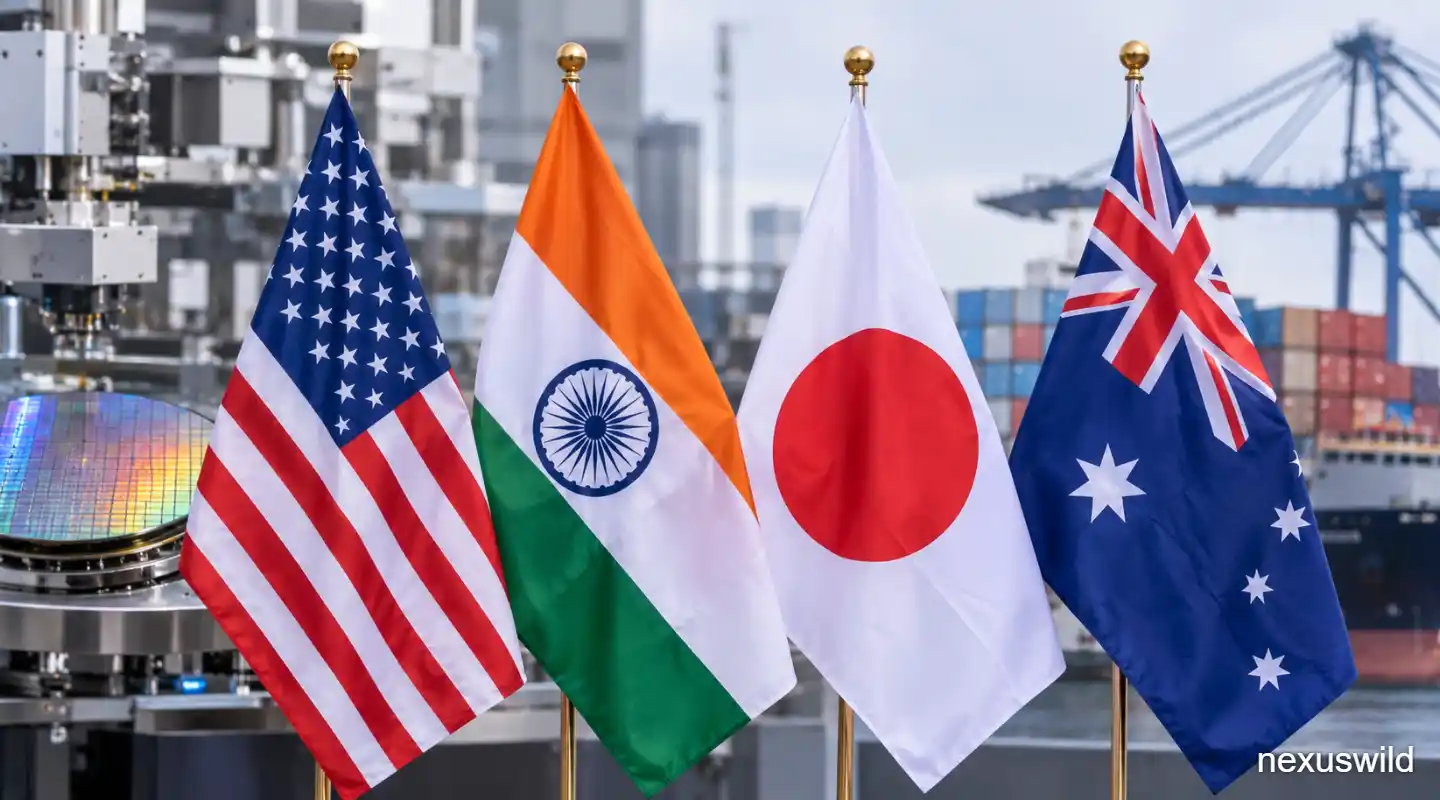
During the Atlanta gathering Rubio held a Quad discussion with representatives from India, Japan and Australia. The countries discussed cooperation and issues affecting supply chains and maritime security.
These separate engagements demonstrate that progress within diplomatic groupings may continue even when the broader G20 cannot reach consensus.
For India this creates opportunities to pursue economic and security cooperation with partners while maintaining its participation in wider international forums.
Sources: Associated Press: G20 meeting and Quad discussions and Marco Rubios press conference, October 31 2026.
What the Meeting Means for Global Businesses and Investors
The lack of consensus at the G20 meeting has implications because companies increasingly depend on international cooperation for stable operating conditions.
Energy companies require maritime access and investment frameworks. Manufacturers need access to raw materials and industrial components. Shipping businesses depend on transportation routes while agricultural producers require stable supplies of fuel and fertilisers.
When governments disagree over security and trade policy companies may face greater uncertainty in their operating environments.
This can influence procurement decisions, investment plans, commodity prices and the location of manufacturing facilities.
Businesses may respond by diversifying suppliers increasing inventories or investing in alternative transportation arrangements.
These measures can strengthen resilience. They may also raise costs and make supply chains more complex.
Investors will also watch whether geopolitical tensions translate into energy prices additional trade barriers or reduced confidence in international economic cooperation.
The meeting does not establish that these outcomes will occur. Rather it highlights how unresolved geopolitical disagreements can complicate efforts to create the conditions that international businesses require.
For companies the ability to manage exposure across different markets is becoming increasingly important.
The December G20 Leaders Summit Will Face Greater Expectations
The Atlanta meeting was part of the US presidency of the G20 in 2026 with the leaders summit scheduled for December in Florida.
The next summit will provide an opportunity for heads of government and state to address the disagreements that foreign ministers were unable to resolve.
Participants have indicated that they will continue working towards a leaders meeting despite their differences.
Potential areas for discussion include energy security, trade resilience, critical minerals, food supplies and freedom of navigation.
However expectations should remain realistic. The ministers meeting demonstrated that even identifying common priorities does not automatically produce agreement on practical solutions.
The upcoming summit will also need to address the disagreements surrounding Russias participation the conflict involving Iran and broader concerns about trade restrictions.
For businesses any commitments concerning supply-chain transparency, critical mineral investment and secure maritime transportation could be particularly significant.
The December meeting will therefore be an opportunity to determine whether the G20 can move beyond identifying common challenges and develop a more coordinated economic approach.
The G20 ministers meeting in Atlanta ended on October 31 2026 without a joint declaration exposing deep divisions over the Russia-Ukraine war the conflict involving Iran, international trade restrictions and maritime security.
Although participants recognised the importance of energy security, food supplies, critical minerals and resilient supply chains they did not establish a strategy for addressing these challenges.
The outcome highlights the difficulty of coordinating policy when countries have competing geopolitical priorities and different approaches to international trade.
However the meeting was not without value. Discussions on minerals secure shipping routes and supply-chain resilience identified areas where individual countries may continue cooperating.
For businesses the central concern is that geopolitical divisions can influence the movement of goods access to resources and the cost of international operations.
The G20s challenge is no longer simply identifying the worlds problems. It is finding areas of cooperation despite political differences that increasingly shape global trade and security.
The December leaders summit, in Florida will provide another opportunity to test whether those discussions can produce international coordination.
Nexuswild welcomes factual corrections. Email contact@nexuswild.com with evidence and the article URL.