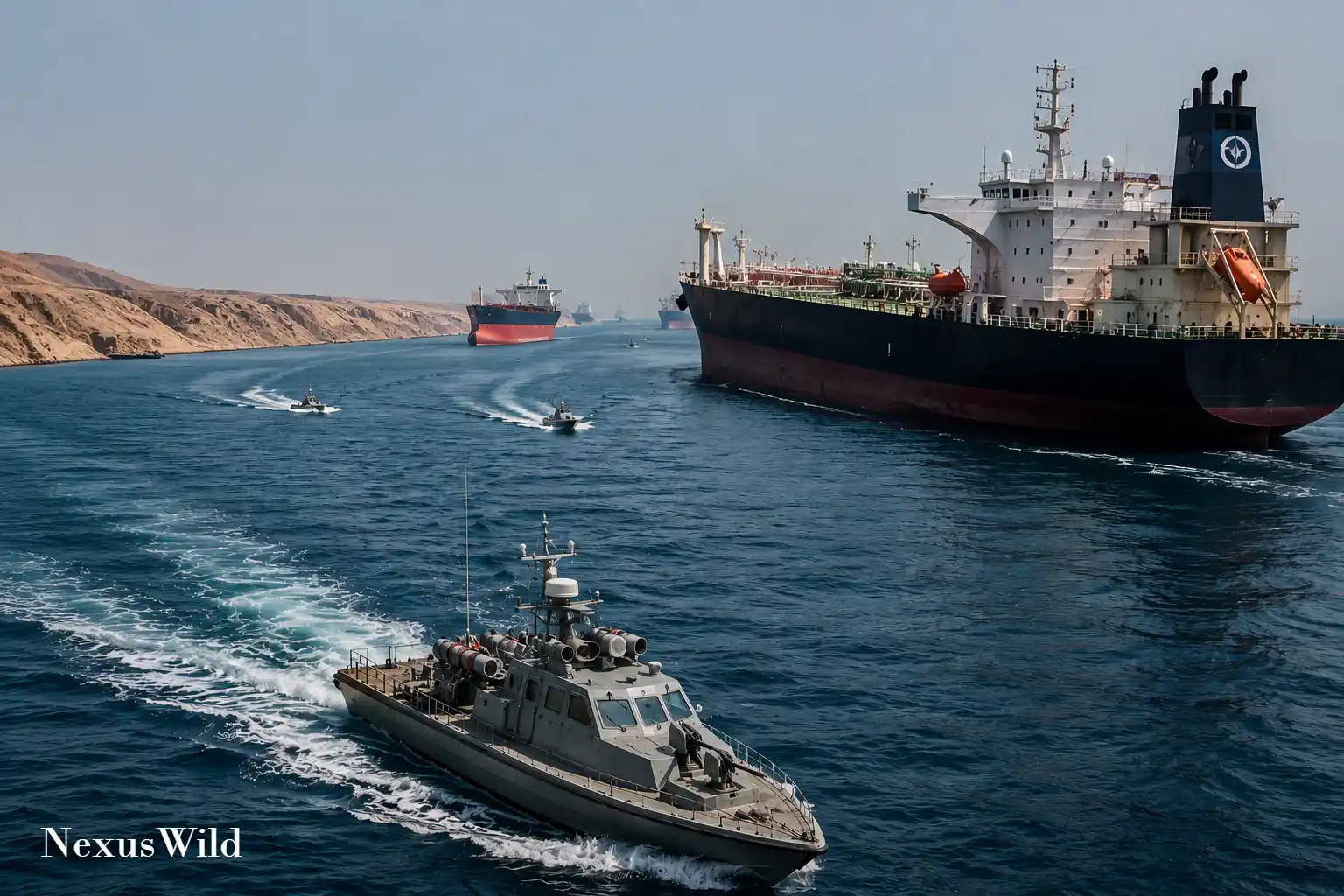

TEHRAN/DUBAI — Iran has escalated pressure on shipping through the Strait of Hormuz, warning vessels of fines, detention or confiscation for violating its transit rules, as traffic through the waterway remained sharply below pre-conflict levels.
Iran said it had blacklisted 45 tankers accused of breaking its rules for crossing the strait and would take action against any vessels transferring cargo with them, six months into the war with the United States and Israel. The Persian Gulf Strait Authority (PGSA), a body Iran set up to manage the waterway, said in a post on X late Sunday that named vessels could be fined, detained and have their cargoes confiscated. The authority urged cargo owners to check its non-compliant vessels list before chartering ships, and said any vessel found working with a listed ship, including through ship-to-ship transfers, would also be added to the list. Some of the blacklisted ships belong to UAE-based ADNOC Logistics and Shipping and its subsidiary Navig8 Tankers, as well as Saudi Arabia's Bahri, Norway's Klaveness Ship Management, Stolt Tankers and South Korea's Sinokor.
Proposed Transit Fees
Separately, the Iranian parliament's National Security and Foreign Policy Committee approved a provision allowing Tehran to charge fees to ships using the strait, under a draft bill called the "Strategic Action Plan to Ensure the Security and Development of the Strait of Hormuz." Committee spokesperson Hassan Qashqavi said the fees would cover navigation, environmental, fueling, insurance and security services, payable in rials or another currency set by Iran, and would apply to vessels from countries permitted to use the strait. The measure still needs approval from the full parliament and the Guardian Council before becoming law.
Plunging Traffic and U.S. Response
Shipping data showed only four vessels crossed the strait on Sunday and 13 on Saturday, following 16 on Friday, with fewer than 20 commodity vessels making the transit over the weekend. Two empty very large crude carriers entered the Gulf with tracking devices switched off, one bound for Iraq and the other for Bahrain, though officials cautioned the count could shift since some vessels disable tracking while passing through. U.S. Central Command said it had redirected 70 commercial vessels, disabled three and boarded two as of August 23 to enforce compliance in the area.
Tensions between Washington and Tehran remain elevated. U.S. Treasury Secretary Scott Bessent wrote that an "economic D-Day is coming for Iran," warning countries that continue doing business with Tehran, while Iranian security chief Mohsen Rezaei threatened to halt oil flow through the strait if neighboring states joined the U.S. economic pressure campaign. President Masoud Pezeshkian said Iran "cannot continue with war forever," pointing to signs of internal disagreement within the leadership over the approach.
The strait remains a critical corridor for global energy supplies, with roughly a fifth of the world's seaborne oil normally passing through it. U.S. Energy Secretary Chris Wright said Navy-coordinated efforts have kept a seven-day average of over 8 million barrels a day moving out of the strait, even as overall vessel traffic stays well below levels seen before the conflict.
Further reading and useful links
Reader questions
Frequently asked questions
What new warnings has Iran issued to ships in the Strait of Hormuz?
Iran warned that vessels violating its transit rules could face fines, detention, or cargo confiscation. The Persian Gulf Strait Authority (PGSA) has already blacklisted 45 tankers.
Is Iran planning to charge transit fees for the Strait of Hormuz?
Yes, an Iranian parliamentary committee approved a draft bill provision that would allow Tehran to charge fees covering navigation, environmental, and security services. It still requires full parliament and Guardian Council approval to become law.
How much has shipping traffic decreased in the Strait of Hormuz?
Shipping traffic has plunged dramatically, with data showing fewer than 20 commodity vessels making the transit over a recent weekend, dropping to as low as four vessels crossing on a Sunday.
Nexuswild welcomes factual corrections. Email contact@nexuswild.com with evidence and the article URL.