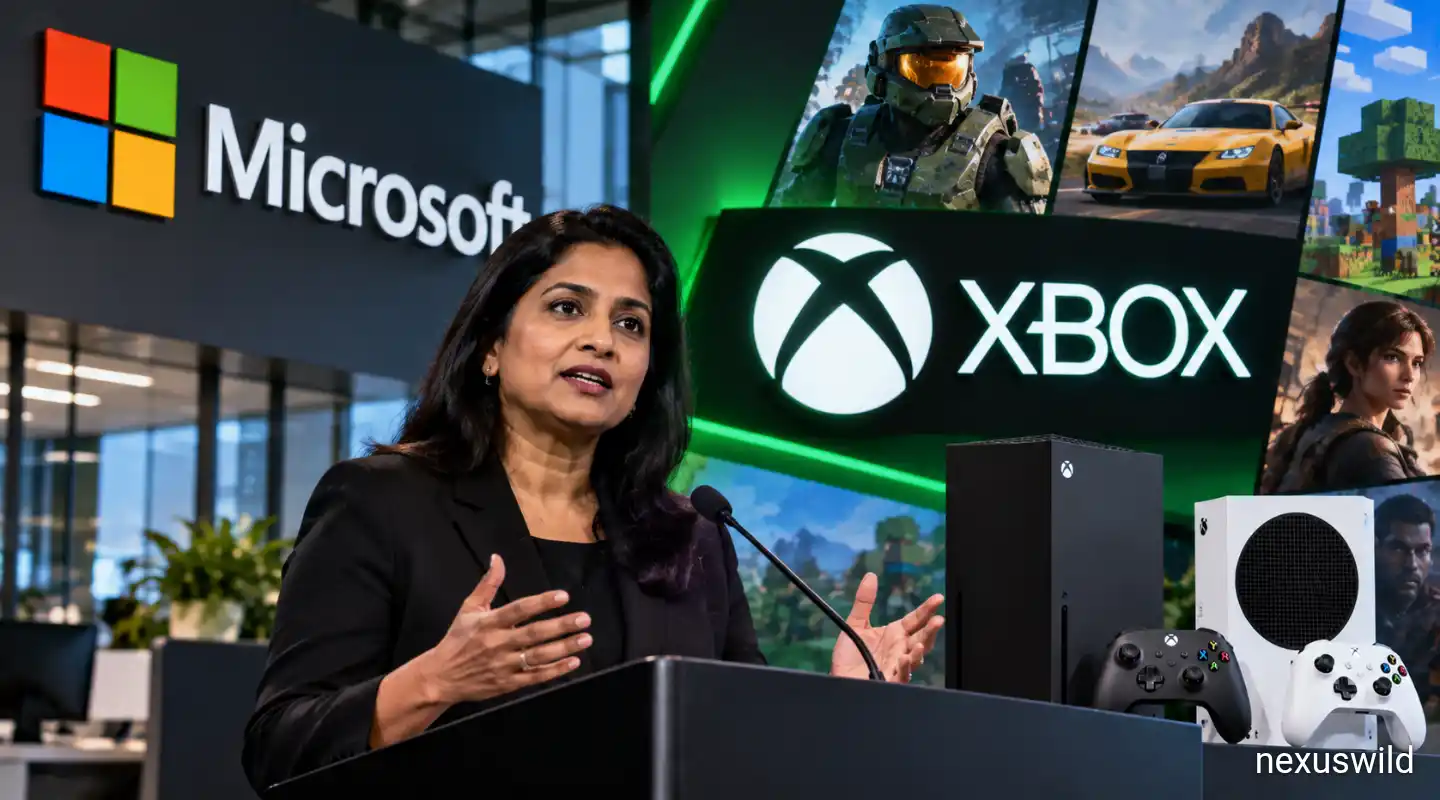

Microsoft is not planning to sell Xbox, according to Xbox chief executive Asha Sharma, who has publicly rejected speculation that the company could divest its gaming business.
The clarification comes during one of the biggest restructurings in Xbox's history, a period that has included thousands of planned job cuts, changes to studio ownership and a broader effort to reduce costs and simplify management.
Sharma told *The New York Times*, in comments reported by *The Verge*, that Xbox is not for sale, pushing back against reports and industry speculation that Microsoft could eventually spin off or sell the division.
The distinction is important: Microsoft is significantly changing the way Xbox operates, but there is currently no confirmed plan to sell the business.
Why Xbox Sale Rumors Started
Questions about Xbox's future intensified after reports suggested senior Microsoft executives had considered different options for the gaming division.
The speculation grew further after Xbox announced a major restructuring in July.
In an internal message published publicly by Microsoft, Sharma said Xbox would reduce its workforce by approximately 3,200 employees during Microsoft's 2027 financial year. Around 1,600 roles were expected to be eliminated immediately as part of the first stage of the restructuring.
The company also announced significant changes to its studio portfolio.
Compulsion Games and Double Fine Productions were set to become independent studios under their existing management, while Ninja Theory and Undead Labs had entered agreements to move to new ownership. Microsoft also said reductions would affect teams across Activision, Bethesda, Blizzard, King, Mojang and Xbox Game Studios.
Changes on that scale naturally raised questions about whether Microsoft was preparing the gaming business for a sale.
Sharma's latest comments directly reject that interpretation.
Microsoft Calls the Changes an Xbox Reset
Microsoft has described the restructuring as a reset rather than an exit from gaming.
In July, Sharma said Xbox's existing business was not operating at a level the company considered healthy. She pointed to high operating costs, weaker console performance and slower-than-expected growth in parts of the business.
Microsoft's own financial results provide some context.
For its fiscal fourth quarter of 2026, Microsoft reported that Xbox content and services revenue declined 10% year over year. Xbox operating income also declined, while operating expenses increased partly because of restructuring and impairment charges.
Microsoft CEO Satya Nadella nevertheless told investors that the company was making changes across Xbox's content portfolio, platform and operations with the objective of returning the business to long-term growth.
Xbox Has Changed Its Management Structure
The restructuring is also changing how Xbox is managed.
Microsoft renamed the Microsoft Gaming organization simply Xbox earlier in 2026, bringing the wider gaming business under a more unified identity.
Sharma currently serves as chief executive of Xbox, while Matthew Ball is chief strategy officer, Matt Booty is chief content officer and Helen Chiang serves as chief operating officer. Microsoft's current Xbox leadership page confirms the structure.
As part of the restructuring, Microsoft said it wanted fewer management layers and clearer responsibility across content, hardware, platform and services.
Chiang was given end-to-end operational responsibility across those areas, while Mojang and King were moved to report directly to Sharma.
Microsoft Is Still Investing in Gaming
Despite the cuts, Microsoft continues to announce new Xbox projects and partnerships.
In September, Xbox expanded its relationship with Kojima Productions to publish *PHYSINT*, alongside its existing collaboration on *OD*. The company said the partnership would extend beyond games into film and television projects.
Microsoft has also said it continues to invest across console, PC, mobile gaming and cloud services.
In a June message to employees, Sharma and Xbox strategy chief Matthew Ball said the company planned to strengthen its hardware, content, services and development platform while evaluating partnerships and possible acquisitions where appropriate.
These developments are consistent with a restructuring strategy rather than a complete withdrawal from gaming.
Layoffs Do Not Mean Xbox Is Being Sold
The job cuts and studio changes are significant, particularly for employees affected by the restructuring.
But restructuring a business and selling it are two different events.
Companies can reduce headcount, sell individual assets, reorganize teams or move subsidiaries without selling an entire division.
Microsoft has confirmed all of those kinds of changes within Xbox. It has not announced a plan to sell Xbox itself.
Sharma's statement therefore provides the clearest current position from Microsoft leadership: Xbox remains part of Microsoft.
That does not mean its structure will remain unchanged.
Microsoft has already demonstrated that it is willing to sell or separate individual studios, reduce investment in some areas and concentrate resources on businesses it considers more important.
Xbox Faces Pressure to Improve Performance
The larger challenge for Microsoft is turning those changes into stronger financial and operating performance.
Xbox entered the current restructuring after a period of declining gaming revenue and weaker console sales.
Microsoft reported in its fiscal third quarter of 2026 that overall gaming revenue fell 7%, while Xbox hardware revenue dropped 33%. Content and services revenue also declined during the period.
Those figures help explain why Microsoft has been willing to make major changes even while rejecting the idea of a full sale.
The company is trying to operate Xbox with fewer management layers, lower costs and a more concentrated portfolio while continuing to invest in major games, services and technology.
Conclusion
Microsoft's gaming business is undergoing a major transformation, but the available evidence does not support claims that Xbox is currently being prepared for sale.
Xbox CEO Asha Sharma has directly said the business is not for sale, while Microsoft continues to invest in games, partnerships, platform development and future growth.
At the same time, the restructuring is substantial.
Microsoft plans to cut about 3,200 Xbox jobs during fiscal 2027, reduce management layers and move several studios outside the organization.
The clearest way to describe the situation is therefore not that Microsoft is leaving gaming, but that it is attempting to rebuild Xbox around a smaller, more focused operating structure.
Whether that strategy restores growth remains to be seen, but for now, Microsoft has made its position clear: Xbox is staying inside Microsoft.
Nexuswild welcomes factual corrections. Email contact@nexuswild.com with evidence and the article URL.