
Paraguay’s Leadership Changes as Ueno Bank Collapse Triggers Political Crisis
Paraguay has entered a time of financial uncertainty after Pedro Alliana was sworn in as president on November 6 2026. This happened after Santiago Peña was removed through an impeachment that was linked to the collapse of Ueno Bank. The banking crisis stopped customers from accessing their deposits triggered public protests and increased scrutiny of Paraguay’s financial supervision and political relationships.
Alliana, who had previously served as Peña’s vice president took on the presidency to finish the 2023–2028 term. Alliana’s immediate challenge is to address the concerns of depositors restore confidence in institutions and manage the political consequences of a scandal that has reached Paraguay’s highest levels of government.
How the Ueno Bank crisis developed
The crisis worsened after Paraguay’s Central Bank intervened in Ueno Bank in November. On November 3 the regulator announced that it had started a resolution process because Ueno Bank’s solvency ratio fell below 50% of the minimum legally required level. The decline followed adjustments to Ueno Bank’s statements during a regulatory regularisation process.
The Central Bank said the intervention was meant to protect depositors preserve Ueno Bank’s assets and manage the situation in a manner. The process put Ueno Bank under administration while authorities assessed Ueno Bank’s financial position and the responsibilities of those involved.
Ueno had become a digital lender in Paraguay reporting about three million customers. Reports by news organisations put Ueno Bank’s public‑sector funds at about $800 million to $850 million. These deposits included money linked to institutions and state‑related funds making Ueno Bank’s failure especially consequential for public confidence.
The distinction is important: the reported $800 million to $850 million figure refers to funds held by Ueno Bank, not the total value of all customer deposits that became inaccessible.
Depositors face disruption as repayment process begins
Ueno Bank’s intervention stopped customers from accessing or transferring money through their accounts. The disruption affected households, businesses and people who relied on Ueno for payments and financial services. Protests followed as customers demanded clarity about when their savings would become available.
Paraguay’s deposit‑guarantee framework protects up to 75 minimum wages per depositor which equals about 228.3 million guaraníes according to figures published by the Central Bank. The regulator estimates that this coverage protects the deposits of about 97% of Ueno Bank’s customers.
However the existence of a guarantee does not mean every depositor receives funds immediately. Payments are being organised in stages with eligibility conditions and administrative checks.
In a November 5 announcement the Central Bank of Paraguay said the first payment group would include customers whose deposits did not exceed 10 million guaraníes, who had no debts with Ueno Bank and who kept an account at another bank or financial institution. The regulator said further groups would be announced through channels as the process advanced.
Customers with balances may face a more complicated process, especially where customers’ deposits exceed the statutory guarantee limit. The recovery of amounts above that limit depends on the resolution process and the recovery of Ueno Bank’s assets.
Political fallout leads to Peña’s removal
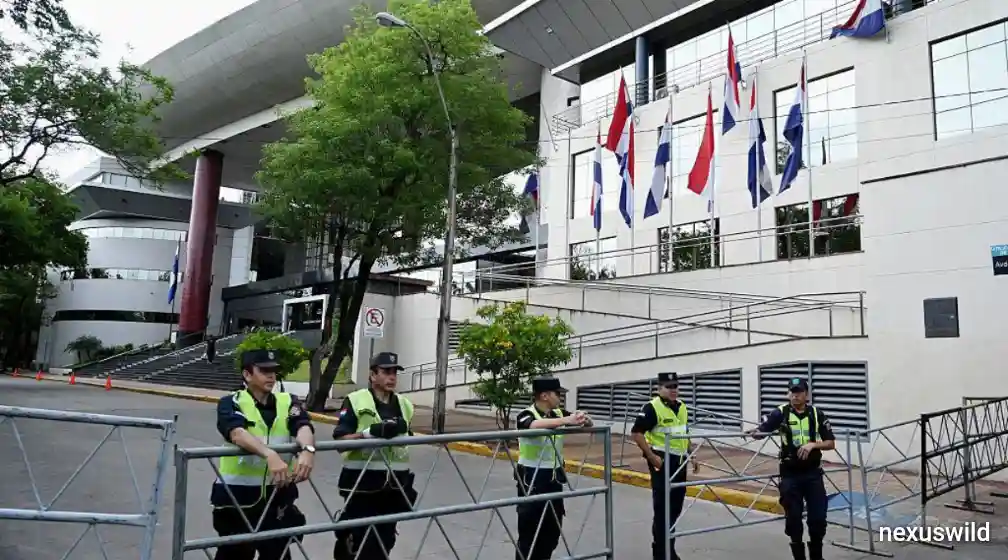
The financial crisis quickly turned into a confrontation. Lawmakers questioned the handling of Ueno Bank’s problems the supervision of the lender and the links between Ueno Bank’s ownership structure and senior political figures.
Peña had previously been linked to the business group connected to Ueno Bank although he said he had sold his stake in the group in 2025 and denied wrongdoing. The allegations and questions about those connections became part of the investigation into Ueno Bank’s collapse.
Peña offered to resign as the political crisis intensified. Congress moved forward with impeachment instead of accepting his departure. The Chamber of Deputies approved the impeachment motion. The Senate voted to remove him from office on November 6.
The proceedings focused on allegations of performance in public office and questions surrounding the banking scandal. These political findings differ from allegations, which remain matters for prosecutors and the judicial process. Peña has denied wrongdoing.
After the Senate decision Alliana was sworn in as president. Paraguay’s Congress also chose Antonio Barrios to fill the vice‑presidential position for the rest of the constitutional term.
Investigations and questions over supervision
The Ueno Bank crisis has raised questions, about how a rapidly expanding financial institution was supervised and whether risks linked to lending to companies associated with its owners were adequately addressed.
The central bank intervened after worries grew about the bank’s standing and how it handled some assets and loans. Reports from abroad also mentioned that loans to companies linked to Ueno’s shareholder were under close inspection.
Prosecutors have started investigations into wrongdoing by bank managers and people tied to the institution. Claims of pressure, misuse of public money and problems with regulators are still being looked into. These claims should not be considered proven crimes until the legal system confirms them.
The crisis has put the bank’s duties under close watch. Its job is now more than fixing Ueno’s short‑term money problems. The central bank must explain how it supervises banks speak plainly to depositors and show that the whole banking system stays steady.
The central bank says that Uenos case is an incident and not a sign of a widespread issue in Paraguays banking world. Making this clear stops people from thinking that the whole banking sector is in trouble because of one bank.
What the transition means for Paraguay’s economy
Alliana has started her job when rebuilding trust will likely be the government’s top economic goal. The new team must work with bank supervisors make sure deposit‑guarantee payments are clear and help investigate why the bank failed.
Businesses and families are most worried about getting their money and keeping bank services running. Investors are asking about whether regulators act on their own how public money is handled and the rules that protect banks that have political ties.
The event could also change how foreign investors view Paraguays rule of law and bank supervision. Any change in loan prices how risky people think the country is or where investors put their money will depend on how the officials handle the settlement and if they can show responsibility. These market changes should be watched not guessed.
What happens next
The next stage relies on how deposit refunds go what the investigations reveal and how the new government reacts to the crisis. Depositors will look for repayment plans and trustworthy official news. Regulators must explain why the bank’s money situation fell apart and what rules can stop problems.
Alliana’s government must juggle a task: calm the public’s frustration without shaking trust in the whole banking system while letting investigations run on their own.
The Ueno Bank collapse is now more than fixing a bank. It has caused a new leader to take charge and put Paraguay’s bank oversight, public money handling and political responsibility under look. The new government will be judged mainly on whether it can give answers and a solid way, for people who lost money to get their money back.
Nexuswild welcomes factual corrections. Email contact@nexuswild.com with evidence and the article URL.