
The digital payments landscape is undergoing a massive cross-border evolution, with leading financial technology companies exporting their domestic success to international markets. In a landmark development for the global financial ecosystem, India’s largest digital payments platform has achieved a critical regulatory milestone in the Middle East. On Tuesday, September 22, 2026, PhonePe officially confirmed that it has secured In-Principle Approval (IPA) from the Central Bank of the United Arab Emirates (CBUAE) to operate as a regulated payment entity within the Gulf state.
This regulatory nod represents the Walmart-backed company’s very first international licensing footprint. By securing the foundational permissions to establish a localized, regulated payments infrastructure in the UAE, PhonePe is transitioning from being merely a cross-border facilitator for Indian tourists into a deeply integrated participant in the Emirates' domestic financial sector.
The move is strategically timed. The UAE is aggressively advancing its Financial Infrastructure Transformation (FIT) programme, pushing toward a fully interconnected, cashless economy. Simultaneously, the economic and trade corridors connecting India and the UAE have never been stronger, supported by bilateral trade agreements and a massive expatriate population.
This comprehensive analysis explores the specific nature of the licences approved by the CBUAE, what steps remain before PhonePe’s full commercial launch, the company's strategy to integrate with domestic payment rails like Aani and Jaywan, and the broader macroeconomic implications for the UAE’s digital payments market.
PhonePe’s UAE Regulatory Approval: Deconstructing the Licences
Operating a financial technology platform in a foreign jurisdiction requires navigating complex regulatory frameworks designed to protect consumers, prevent financial crimes, and ensure macroeconomic stability. The Central Bank of the UAE is known for its stringent regulatory standards, making an In-Principle Approval a significant validation of a company's technology architecture, data security protocols, and corporate governance.
According to the official announcement released on September 22, 2026, the CBUAE granted PhonePe In-Principle Approval for two distinct and highly critical regulatory licences:
1. Retail Payment Services and Card Schemes (RPSCS) Licence
The RPSCS framework is a comprehensive regulatory category established by the CBUAE to govern entities that facilitate everyday digital commerce. Securing this licence permits a financial institution to offer a wide array of payment processing services within the UAE. Functionally, this allows a company to act as a payment service provider, enabling the clearing and settlement of retail transactions between consumers and merchants.
For PhonePe, the RPSCS approval is the bedrock upon which its merchant acquisition and consumer payment strategies will be built. It provides the legal authority to deploy point-of-sale payment solutions, process digital transactions, and potentially operate domestic payment networks that interface directly with the UAE's retail sector.
2. Stored Value Facilities (SVF) Licence
The SVF regulation specifically governs digital wallets, prepaid cards, and any digital mechanism where fiat currency is exchanged for electronic value that can be stored and used for future transactions. By securing the SVF licence, PhonePe is authorized to issue digital wallets to UAE residents.
This is a critical capability. A stored value facility allows users to load funds from their primary bank accounts into the PhonePe digital wallet ecosystem. Once the funds are stored, users can execute frictionless, instant peer-to-peer (P2P) transfers, pay utility bills, and conduct peer-to-merchant (P2M) transactions without needing to repeatedly route each micro-transaction through a traditional banking gateway. The SVF licence essentially allows PhonePe to replicate the core digital wallet architecture that served as the foundation of its exponential growth in the Indian market.
What the Approval Means: The Path to Commercial Launch
It is crucial to distinguish between an In-Principle Approval (IPA) and a final commercial operating licence. While the announcement marks a monumental step forward, PhonePe is not yet authorized to commercially onboard domestic UAE users or process localized transactions outside of its existing cross-border arrangements.
The Regulatory Due Diligence Process
The issuance of the IPA indicates that PhonePe has successfully passed the CBUAE’s initial phase of rigorous regulatory due diligence. During this phase, the central bank evaluates the applicant's business model, financial capitalization, shareholder structure, and the fundamental viability of the proposed technology platform. The central bank has reviewed PhonePe's application and determined that its proposed operations align with the regulatory mandates and economic objectives of the UAE.
Prerequisites for Final Approval
The In-Principle Approval serves as a conditional green light, establishing PhonePe’s foundational regulatory presence. However, to secure the final, unrestricted commercial licence, the company must now fulfill a series of specific operational and technical prerequisites mandated by the central bank.
These prerequisites typically involve localized infrastructure deployment. PhonePe will likely need to finalize its domestic corporate structuring, capitalize its UAE subsidiary to the required regulatory thresholds, and implement robust Anti-Money Laundering (AML) and Combating the Financing of Terrorism (CFT) compliance frameworks tailored specifically to UAE federal laws.
Furthermore, data localization is a paramount concern for sovereign financial regulators. PhonePe will be required to demonstrate that its UAE consumer data is stored securely within the jurisdiction, complying with local data privacy mandates. The company is currently working hand-in-hand with UAE authorities to complete these final prerequisites. Only upon receiving the final central bank sign-off will PhonePe be legally permitted to launch its localized commercial operations to the public.
PhonePe’s UAE Expansion Plans: Integrating With Domestic Rails
As PhonePe prepares for its commercial debut, the company’s executive leadership has made it clear that their strategy is not to build an isolated, proprietary payment silo. Instead, PhonePe intends to leverage its vast experience in building upon Digital Public Infrastructure (DPI) to deeply integrate with the UAE’s existing and emerging payment networks.
Exploring Aani and Jaywan
A central pillar of PhonePe's proposed UAE expansion is its integration with 'Aani' and 'Jaywan'.
- Aani: Launched by Al Etihad Payments (a subsidiary of the CBUAE), Aani is the UAE's state-of-the-art instant payment platform. It allows licensed financial institutions and payment service providers to offer consumers and businesses secure, 24/7 instant fund transfers using simple identifiers like mobile numbers, rather than complex bank account details.
- Jaywan: Jaywan is the UAE's recently launched domestic card scheme, designed to enhance the nation's financial sovereignty and reduce reliance on international card networks for domestic routing.
PhonePe’s leadership has explicitly stated that the company plans to explore opportunities to support both Aani and Jaywan through its full-stack technology platform. Ritesh Pai, CEO and Executive Director of International Payments at PhonePe, emphasized this collaborative approach, noting that the company has a proven track record of innovating on top of domestic payment ecosystems. By linking its front-end consumer and merchant applications directly into Aani and Jaywan, PhonePe aims to drive higher adoption rates for the UAE's national payment initiatives while providing users with a world-class, frictionless user interface.
"Having seen the success of how UPI can proliferate, right from the enterprise kind of client to a small store, we think we have the necessary learnings, understandings and the innovation that is required to ride on top of this domestic payment ecosystem and create a difference into the UAE economy," Pai noted during the announcement.
UPI and Cross-Border Payment Opportunities
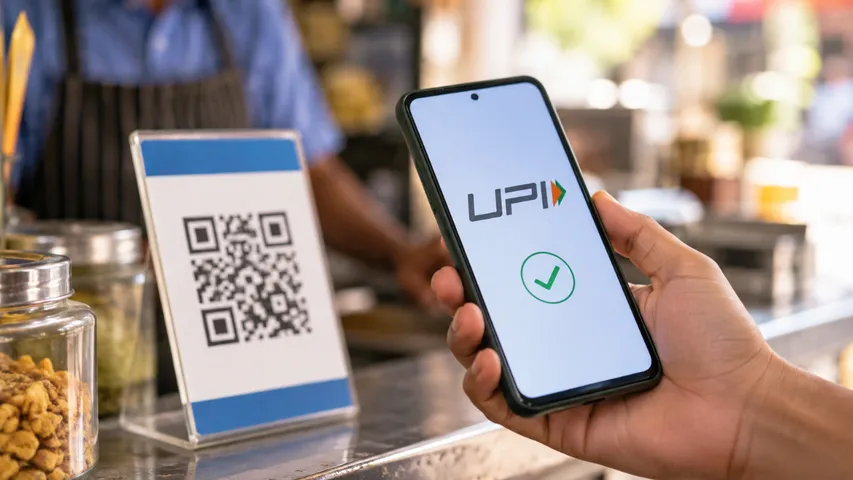
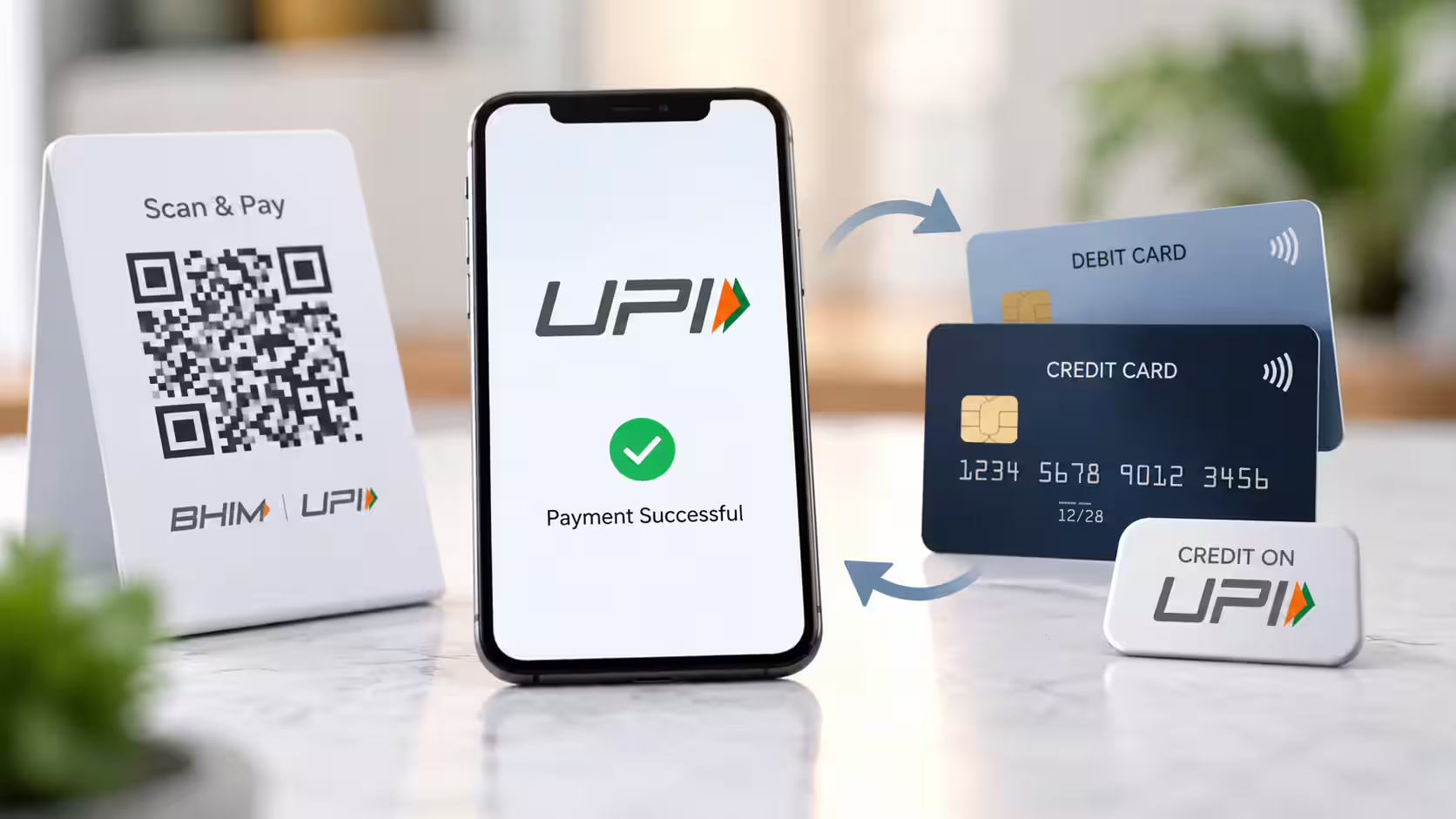
While the new CBUAE licences represent a future domestic expansion, PhonePe is already an active participant in the UAE's digital economy through its cross-border capabilities. The company is currently leveraging India's Unified Payments Interface (UPI) to facilitate seamless transactions for Indian expatriates and tourists traveling to the Gulf.
Existing Cross-Border Infrastructure
In a strategic partnership with NPCI International Payments Limited (NIPL) - the international arm of the National Payments Corporation of India - PhonePe currently enables Indian travellers to use their existing domestic PhonePe applications to make payments in the UAE.
This is achieved through technical linkages between the UPI network and major UAE payment acquirers. Currently, Indian tourists can open their PhonePe app, scan local QR codes, and pay instantly across the vast network of NEOPAY (the payment subsidiary of Mashreq Bank) and Network International point-of-sale terminals. The backend infrastructure automatically handles the real-time currency conversion from Indian Rupees to UAE Dirhams, eliminating the need for travelers to carry physical foreign exchange or incur exorbitant international credit card markup fees.
The Broader UPI Global Footprint
The UAE is one of several critical nodes in the global expansion of the UPI architecture. For foreign markets, UPI is increasingly being linked with the payment systems of various countries to facilitate both Person-to-Merchant (P2M) retail transactions and high-volume Person-to-Person (P2P) remittances. Alongside the UAE, this cross-border functionality has been enabled in markets including Singapore, France, Sri Lanka, Mauritius, Nepal, Bhutan, Cambodia, Greece, Qatar, and Uzbekistan.
By already having a functional, high-volume cross-border product live in the UAE, PhonePe has established strong brand visibility and operational relationships with local acquirers. Once its domestic SVF and RPSCS licences are finalized, the company can seamlessly expand its offering from serving transient tourists to servicing the daily financial needs of the UAE's permanent residents.
The UAE Digital Payments Market: A Lucrative Launchpad
PhonePe’s decision to select the UAE as its first international regulatory footprint is driven by highly favorable macroeconomic conditions, an incredibly diverse demographic profile, and a progressive regulatory environment.
The Financial Infrastructure Transformation (FIT) Programme
The UAE government has placed digital economic integration at the center of its national strategy. The Central Bank’s Financial Infrastructure Transformation (FIT) programme is designed to position the UAE as a leading global financial hub. The FIT programme encompasses nine key initiatives, including the rollout of the Aani instant payment platform, the Jaywan domestic card scheme, the development of a Central Bank Digital Currency (CBDC), and the establishment of advanced financial cloud infrastructure.
PhonePe noted in its press release that its proposed expansion into the Emirates will directly complement the FIT programme. By bringing its massive engineering resources and proven consumer application architecture to the market, the fintech firm can act as a catalyst, accelerating the adoption of the central bank's digital initiatives among retail users and small businesses.
Demographics and the Cashless Push
The UAE boasts one of the highest smartphone penetration rates in the world, coupled with an exceptionally tech-savvy population. Furthermore, the country's demographic makeup is highly unique, with expatriates constituting approximately 88 percent of the total population. The Indian diaspora forms the largest single expatriate group in the UAE, comprising millions of blue-collar workers, white-collar professionals, and business owners.
This demographic reality provides PhonePe with a massive, built-in audience that is already deeply familiar with its brand and user interface. For a newly licensed payment provider, customer acquisition is often the most expensive barrier to entry. PhonePe can leverage its immense brand equity among Non-Resident Indians (NRIs) to rapidly scale its domestic UAE user base once commercial operations commence.
Additionally, the UAE is rapidly transitioning away from cash. From ultra-luxury retail boutiques in Dubai to neighborhood groceries in Sharjah, consumer preference has shifted decisively toward contactless payments, digital wallets, and QR-code-based commerce. PhonePe’s expertise in deploying low-cost QR payment acceptance infrastructure to micro-merchants positions it perfectly to capture the long tail of the UAE’s retail economy.
Partnerships and Business Strategy
A critical element of PhonePe's international strategy is collaboration. Recognizing that entering a sovereign financial market requires deep local expertise, the company has explicitly stated that it does not intend to operate in isolation.
"The idea is not to work in silos," Ritesh Pai emphasized. PhonePe plans to work collaboratively with the CBUAE, federally regulated banks, licensed payment service providers, and local technology vendors. Upon receipt of the final regulatory approval, the company will initiate technical integrations with regional banking partners to facilitate secure fiat onboarding and offboarding for its digital wallets.
By partnering with existing financial institutions rather than attempting to displace them, PhonePe mitigates regulatory friction and accelerates its time-to-market. The company plans to provide the cutting-edge consumer-facing application and merchant-acceptance technology, while relying on domestic banking partners for underlying account management and treasury services.
Scale and Corporate Backing
PhonePe approaches its international expansion not as an unproven startup, but as a heavily capitalized technology juggernaut. Headquartered in India, the technology company was launched in 2016 and has since built a dominant market position. As of August 2026, the PhonePe digital payments app boasts more than 720 million lifetime registered users. Its digital payments acceptance network spans an unprecedented 50 million offline and online merchants.
The company's technology architecture is globally recognized for its ability to handle astronomical transaction volumes with proven resilience, often processing billions of micro-transactions a month without systemic downtime. Beyond consumer and merchant payments, PhonePe has diversified into digital distribution services, lending, insurance, stock broking (through its Share.Market platform), and has even launched an Android-based mobile app marketplace (Indus Appstore).
Backed by global retail giant Walmart, PhonePe possesses the immense financial resources required to sustain a complex international rollout. Notably, earlier in the year, the company temporarily paused its highly anticipated Initial Public Offering (IPO) plans, citing geopolitical uncertainty and volatile global market conditions. Targeting a valuation between $9 billion and $10.5 billion, the company plans to revive the listing process once market stability improves. According to regulatory filings from earlier in the year, Walmart plans to reduce its stake in the fintech firm by about 12 percent through the public offering, allowing existing investors to exit while bringing fresh public capital into the entity. The successful acquisition of international regulatory licences like the UAE CBUAE approvals will serve to significantly bolster PhonePe’s valuation narrative when it eventually heads to the public markets.
Impact on Consumers and Merchants
The eventual commercial launch of PhonePe in the UAE is expected to yield tangible benefits for both retail consumers and the broader merchant ecosystem.
Elevating the Consumer Experience
For consumers in the UAE, the entry of a massive, proven fintech player introduces heightened competition, which inevitably leads to better user experiences. PhonePe’s application is renowned for its clean, intuitive interface and rapid transaction processing. UAE residents will benefit from seamless peer-to-peer transfers, unified bill payment dashboards, and integrated lifestyle services. For the millions of Indian expatriates living in the Emirates, the ability to manage both their domestic UAE spending and their cross-border remittances within a single, familiar technology ecosystem represents a massive upgrade in financial convenience.
Empowering the Merchant Ecosystem
For the merchant community - particularly Small and Medium-sized Enterprises (SMEs) - PhonePe’s localized presence could reduce the friction and cost associated with digital payment acceptance. In India, PhonePe revolutionized the merchant space by deploying millions of physical QR codes and audio-confirmation smart speakers, driving down the capital expenditure required for a shopkeeper to accept digital money.
By bringing this low-cost, high-efficiency merchant acquisition model to the UAE, PhonePe can help digitize the informal retail sector. Furthermore, by building use cases on top of the Aani instant payment platform, PhonePe can facilitate real-time settlement for merchants, vastly improving their working capital cycles compared to traditional card network settlements that can take several business days to clear.
Expert and Company Views on the Expansion
The significance of the CBUAE approval has been clearly articulated by PhonePe’s executive leadership, who view the Middle East not just as a revenue source, but as a long-term strategic partnership.
Addressing the In-Principle Approval, Ritesh Pai highlighted the alignment between the company's ambitions and the host nation’s vision. “We are honoured to receive In-Principle Approval from the CBUAE. The country's vision and regulatory environment make it an ideal setting for our international journey," Pai stated.
He further emphasized the company's commitment to the region's macroeconomic goals. “As the UAE advances toward an interconnected, digital-first economy, PhonePe aims to be a committed, long-term partner supporting its evolving ecosystem. By combining world-class technology with local partnerships, PhonePe intends to support the strong economic and trade corridors connecting the UAE, India, and global markets, while striving to deliver elevated everyday payment experiences across the Emirates.”
Industry analysts echo this sentiment, noting that PhonePe’s entry is a testament to the maturity of the UAE’s regulatory framework. The CBUAE’s willingness to grant In-Principle Approvals to major international fintech players demonstrates a proactive approach to fostering financial innovation. Financial technology experts believe that PhonePe’s ability to execute complex, population-scale digital public infrastructure integrations will provide the exact technological catalyst required to accelerate the adoption of the UAE's FIT programme initiatives.
Conclusion
PhonePe’s acquisition of In-Principle Approval from the Central Bank of the UAE for Retail Payment Services and Card Schemes (RPSCS) and Stored Value Facilities (SVF) is a watershed moment for the digital payments industry. It signals the maturation of India's leading fintech platform, validating its technology and compliance architecture on a highly stringent international stage.
While the final commercial launch remains contingent upon the completion of regulatory prerequisites and localized infrastructure deployment, the strategic blueprint is already in motion. By eschewing isolated platforms in favor of deep integration with domestic rails like Aani and Jaywan, and by partnering closely with regional financial institutions, PhonePe is positioning itself as a collaborative enabler of the UAE's digital economy.
As the company progresses from facilitating cross-border QR code payments for Indian travelers to offering fully localized, regulated digital wallets and payment solutions for UAE residents, it will fundamentally bridge the financial corridors between South Asia and the Gulf. Supported by a robust technology stack capable of handling billions of transactions, and aligned with the UAE's visionary Financial Infrastructure Transformation programme, PhonePe’s international journey is poised to reshape the dynamics of commerce and everyday payments across the Emirates.
Further reading and useful links
Reader questions
Frequently asked questions
What licences did PhonePe secure in the UAE?
PhonePe secured In-Principle Approval for a Retail Payment Services and Card Schemes (RPSCS) licence, and a Stored Value Facilities (SVF) licence from the Central Bank of the UAE.
Can PhonePe start operating domestically in the UAE immediately?
No. The In-Principle Approval represents a foundational regulatory nod. PhonePe must complete remaining operational and compliance prerequisites to secure its final commercial operating licence.
What domestic UAE payment rails is PhonePe integrating with?
PhonePe plans to support Aani, the UAE's state-of-the-art instant payment platform, and Jaywan, the nation's domestic card scheme.
How are Indian travelers currently using PhonePe in the UAE?
Through a partnership with NPCI International Payments Limited (NIPL), Indian travelers can currently scan local QR codes to pay instantly at NEOPAY and Network International terminals using their domestic PhonePe app.
Nexuswild welcomes factual corrections. Email [email protected] with evidence and the article URL.