
The global climate system is currently undergoing one of its most significant cyclical shifts, with a rapidly intensifying El Niño weather pattern disrupting historical precipitation and temperature averages across the Asia-Pacific region. As of September 2026, meteorological agencies worldwide have upgraded their forecasts, indicating that the current El Niño cycle is not only firmly established but is on a trajectory to reach "very strong" or potentially historic intensity levels by the Northern Hemisphere winter.
For the vast and densely populated continent of Asia, the meteorological consequences of this phenomenon are profound. The region relies heavily on predictable monsoon cycles and stable river basins to sustain its massive agricultural sector, which produces the majority of the world's rice, palm oil, and a significant portion of its sugarcane. However, El Niño historically correlates with severe rainfall deficits, elevated temperatures, and prolonged drought conditions across South and Southeast Asia.
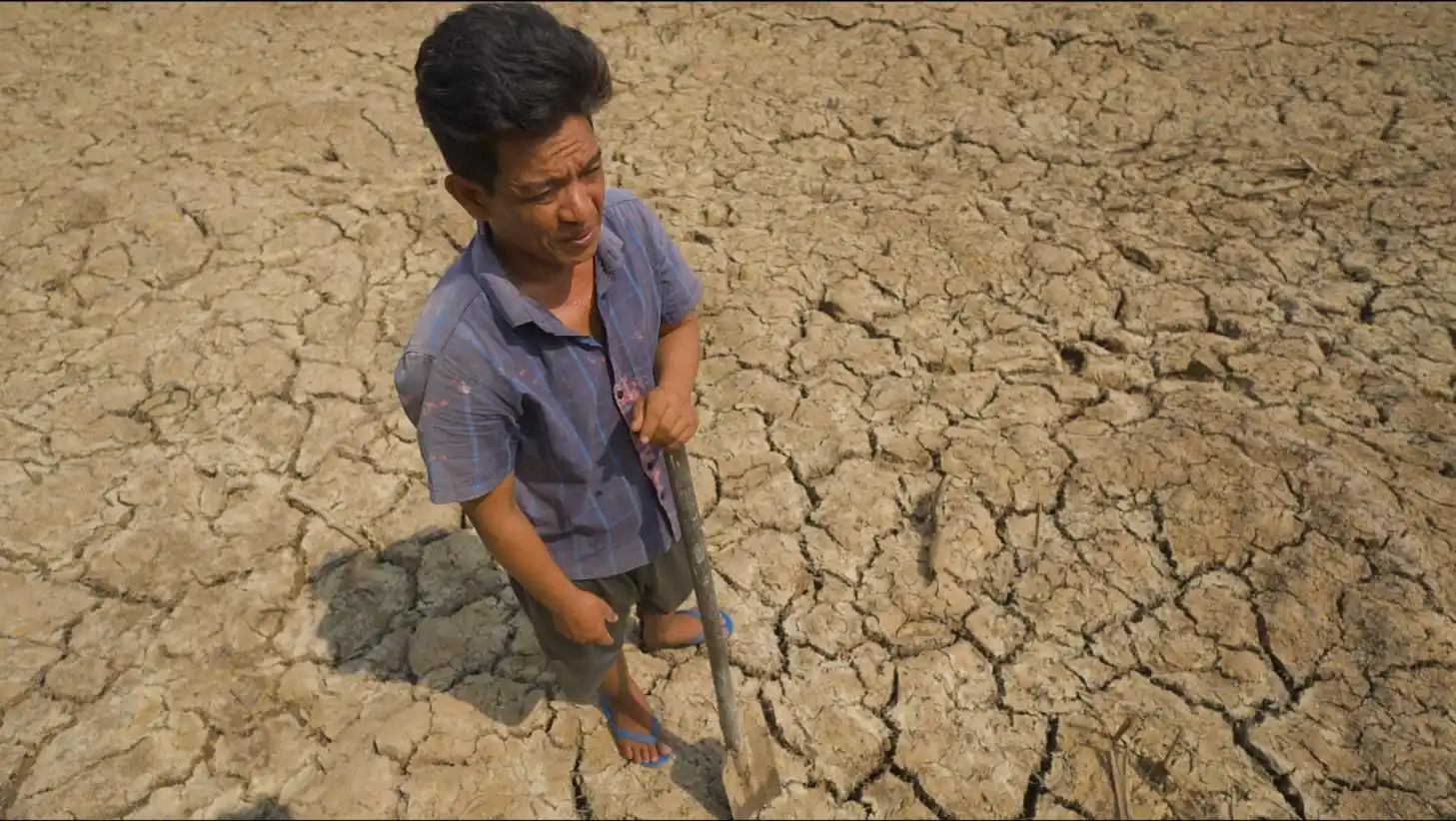
The compounding effects of these climate anomalies are already materializing in the form of receding reservoirs, raging peatland fires, and suppressed crop yields. Consequently, governments, agricultural ministries, and international humanitarian organizations are issuing stark warnings regarding regional food security and the potential for a sharp escalation in global food prices. This comprehensive analysis examines the latest verified climate forecasts for late 2026 and 2027, the specific mechanisms by which El Niño alters Asian weather patterns, and the sweeping implications for agriculture, water resources, and macroeconomic stability.
Latest El Niño Outlook: Meteorological Forecasts for 2026–2027
The scientific consensus regarding the strength and longevity of the current El Niño event is unprecedented in recent years. El Niño - the warm phase of the El Niño-Southern Oscillation (ENSO) - is characterized by the unusual warming of surface waters in the central and eastern equatorial Pacific Ocean, which consequently alters atmospheric circulation and trade winds globally.
According to the El Niño/La Niña Update published by the World Meteorological Organization (WMO) in August 2026, the phenomenon is firmly established and marked by persistent, positive sea surface temperature (SST) anomalies. The WMO’s global producing centers forecast a near-100 percent likelihood that El Niño conditions will persist through the remainder of 2026 and continue into the February 2027 period. The WMO explicitly noted that ENSO-neutral conditions or a transition back to La Niña are not anticipated during this outlook window.
This assessment is heavily corroborated by the United States National Oceanic and Atmospheric Administration (NOAA). In its ENSO Diagnostic Discussion issued on September 10, 2026, NOAA’s Climate Prediction Center (CPC) reported that El Niño is strengthening rapidly. The CPC recorded SST anomalies exceeding +3.0°C in the eastern equatorial Pacific - a stark deviation from the historical baseline.
Crucially, NOAA’s forecast indicates a greater than 90 percent probability of a "very strong" event occurring during the Northern Hemisphere fall and winter of 2026–2027. Furthermore, for the October to December 2026 season, NOAA models suggest a 75 percent chance of a historic event that could rival or exceed the strength of the most extreme El Niño episodes recorded since 1950. While the strength of an El Niño cycle does not unilaterally guarantee uniform destruction, a climate event of this magnitude drastically increases the probability of severe, widespread meteorological anomalies across the Asian continent.
How El Niño Affects Asia: The Atmospheric Mechanism
To understand the risk profile facing Asian nations, it is essential to outline the atmospheric mechanics of the ENSO cycle. Under normal conditions, trade winds blow from east to west across the tropical Pacific, pushing warm surface water toward Asia and Australasia. This pooling of warm water in the western Pacific drives convection, generating the heavy, predictable rainfall that sustains the Asian monsoon systems.
During an El Niño event, these easterly trade winds weaken or, in extreme cases, reverse. The mass of warm surface water moves eastward toward the central Pacific and the western coast of the Americas. As the warm water shifts away from Asia, the associated atmospheric convection and rain clouds move with it.
The immediate result for South and Southeast Asia is a profound suppression of rainfall and a significant increase in surface temperatures. According to NOAA’s September 2026 diagnostics, low-level westerly wind anomalies have extended from the western to the east-central Pacific, while convection and rainfall remain actively suppressed over Indonesia and the broader Southeast Asian maritime continent. This shift in the Walker Circulation creates a high-pressure system over much of Southeast Asia, preventing the formation of rain-bearing clouds during periods when the region traditionally experiences its heaviest wet-season precipitation.
Drought and Water-Supply Risks: Immediate Ground Realities
The transition from meteorological forecasts to physical water scarcity is already visible across several Asian subregions as of late 2026. Southeast Asia’s wet season, which generally runs from June to October, is critical for replenishing reservoirs, cooling urban centers, and preparing irrigation networks for the primary agricultural planting season. The disruption of these rains has triggered a cascade of water-security crises.
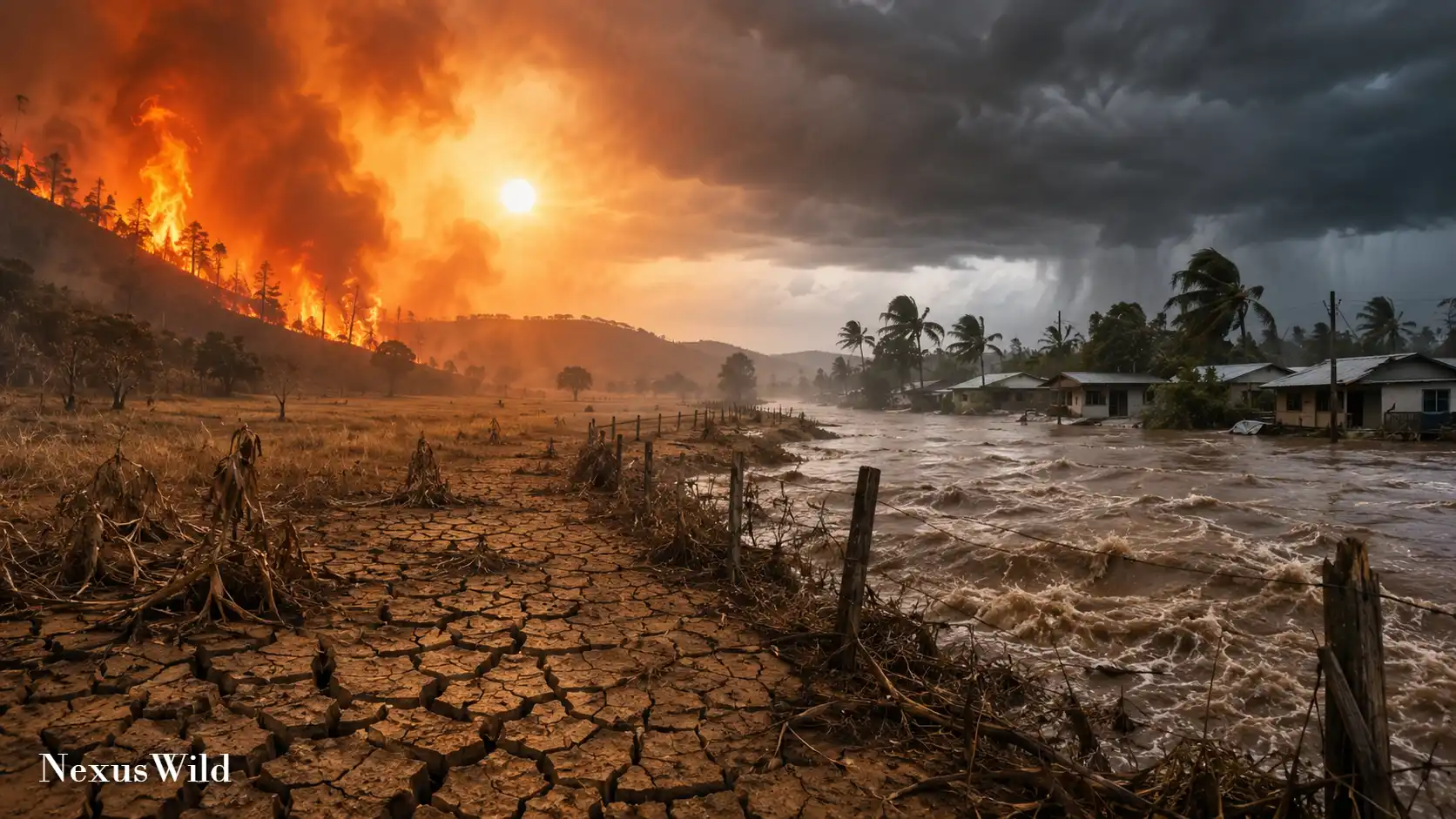
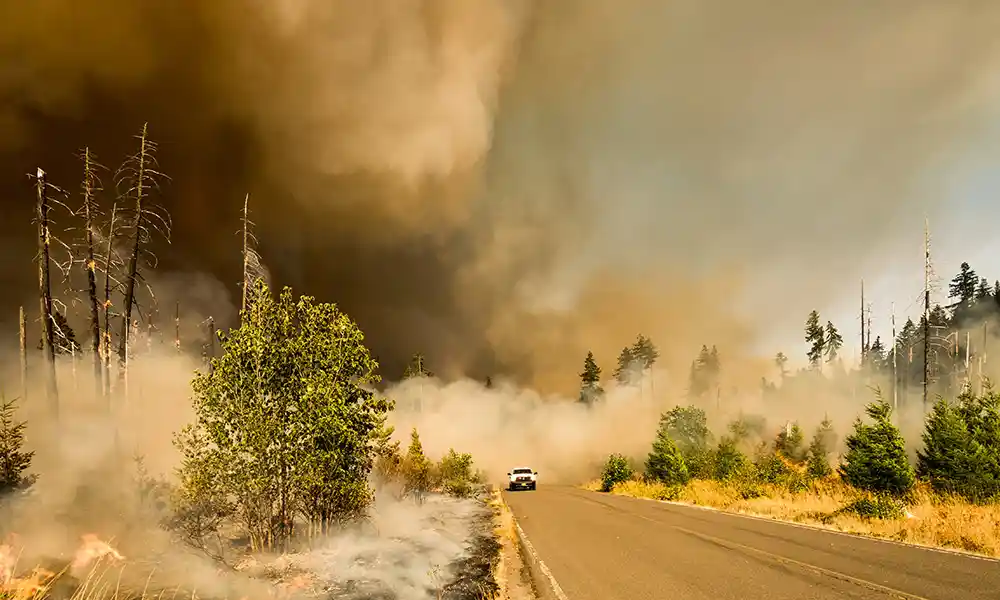
In Indonesia, the intensifying El Niño has induced severe drought conditions. The lack of precipitation has dried out the country’s vast tracts of tropical forests and carbon-rich peatlands, leading to widespread wildfires. These fires are not only an environmental disaster, releasing massive quantities of greenhouse gases, but they also generate plumes of toxic haze that blow across neighboring nations, causing severe public health emergencies and disrupting aviation and commerce.
The strain on municipal and agricultural water supplies is equally alarming. Outside of Jakarta - a metropolis of over 42 million people - the water level in major supply reservoirs is dropping rapidly. In some instances, the water has receded so dramatically that the ruins of long-submerged villages are re-emerging from the lakebeds, heightening concerns over the city's future water security.
Further north, the Mekong River basin - a vital waterway that flows through China, Myanmar, Laos, Thailand, Cambodia, and Vietnam - is facing immense pressure. The basin, which supports the livelihoods and diets of tens of millions of people, is suffering from critically low water flows. Researchers from the Wonders of the Mekong project note that diminished rainfall, combined with extreme heat and the ongoing impact of upstream hydropower dams, is severely threatening the region’s fisheries and limiting the water available for downstream irrigation.
Impact on Agriculture and Food Production
Agriculture is the sector most acutely vulnerable to El Niño, and the stakes for Asia are global. The continent is the world's breadbasket for several critical commodities, and prolonged drought conditions threaten to decimate yields, stunt crop development, and delay planting seasons.
The Food and Agriculture Organization (FAO) has conducted extensive mapping of the areas most at risk. Utilizing its Agricultural Stress Index System (ASIS) and analyzing 41 years of historical satellite imagery, the FAO identified a high probability of agricultural drought across South and Southeast Asia during key growing periods in late 2026 and 2027.
Rice Production
Rice is the staple carbohydrate for over half of the global population, and Asia produces roughly 90 percent of the world's supply. Rice is an incredibly water-intensive crop. In Thailand and Vietnam - two of the world’s largest rice exporters - reduced monsoon rains limit the water available for the wet-season crop and severely restrict the reservoir levels necessary to irrigate the subsequent dry-season crop. When water is scarce, governments often mandate that farmers reduce their planted acreage, leading to an immediate contraction in national output. Furthermore, extreme heat during the pollination phase can cause rice spikelets to become sterile, directly reducing the harvest volume.
Palm Oil
Indonesia and Malaysia dominate the global palm oil market, accounting for over 80 percent of global supply. Oil palms require consistent, year-round rainfall to produce fruit bunches. The drought conditions and toxic haze currently blanketing Indonesian plantations disrupt photosynthesis and induce severe moisture stress in the trees. This stress typically causes a delayed but significant drop in palm oil yields, which may persist for months even after the rains return.
Sugarcane and Maize
India and Thailand are pivotal players in the global sugar trade. Sugarcane requires substantial moisture during its vegetative growth phase; drought conditions stunt the cane stalks and severely reduce the sucrose extraction rate. Similarly, maize production across the Philippines, Indonesia, and China faces high risks. El Niño-induced dry spells during the critical silking and tasseling stages of maize development can lead to near-total crop failures in rainfed agricultural zones.
In addition to water scarcity, El Niño creates secondary agricultural threats. Warmer winter temperatures and altered humidity profiles create highly favorable environments for invasive pests and plant diseases, forcing farmers to increase pesticide usage and further eroding their profit margins.
Food Prices and Food-Security Concerns
The macroeconomic consequences of an Asian agricultural shortfall are severe. When harvests contract, domestic supplies tighten, prompting nations to restrict exports to control local inflation. This protectionist behavior immediately triggers a spike in global commodity prices, disproportionately harming import-dependent developing nations in Africa and the Middle East.
The United Nations World Food Programme (WFP) has issued dire warnings regarding the current climate trajectory. The agency estimates that the compounding effects of El Niño could push at least 49 million additional people globally into a state of acute food insecurity by the end of 2027. While the most catastrophic impacts are anticipated in Southern Africa and the Central American Dry Corridor, the sheer population density of South and Southeast Asia means that even a marginal percentage increase in food insecurity translates to millions of vulnerable households.
Kareff Rafisura, chief of the Disaster Risk Reduction Division at the U.N. Economic and Social Commission for Asia and the Pacific (ESCAP), emphasized that global oceans are already experiencing record-breaking heat anomalies as the baseline climate warms. When this baseline heat is combined with an intense El Niño, the resulting agricultural shocks act as an inflationary catalyst, raising the cost of basic proteins, cooking oils, and cereals across the global supply chain. For low-income families who already spend a majority of their household income on nutrition, rising food prices force agonizing choices between eating, healthcare, and education.
Regional Climate Differences: Not a Uniform Threat
While the prevailing narrative surrounding El Niño in Asia focuses on drought, it is scientifically imperative to recognize that the impacts are geographically heterogeneous and seasonal. The WMO strictly cautions that the strength of an El Niño event does not translate to uniform destruction across every region.
For example, while Southeast Asia and parts of the Indian subcontinent (particularly central and southern India) face severe rainfall deficits during the summer and autumn monsoon seasons, other parts of the continent experience the opposite extreme.
In Central Asia, El Niño is historically associated with anomalous above-average rainfall. Rather than drought, this region faces the heightened risk of unseasonal flooding, flash floods, and landslides. These deluge events can wash away topsoil, destroy planted seeds, and drown livestock, proving just as devastating to agricultural livelihoods as a drought.
Similarly, East Asia experiences highly variable impacts. Northern China may experience warmer-than-average winters and localized dry spells, while the southern coastal regions of China and Japan may see shifts in the trajectory and intensity of late-season typhoons. Therefore, climate resilience planning cannot rely on a single continental blueprint; it requires highly localized, granular meteorological data.
Government and Agricultural Responses: Mitigation and Adaptation
Recognizing that reactive crisis management is vastly more expensive than proactive adaptation, governments across Asia are deploying extensive mitigation strategies to shield their agricultural sectors from the brunt of the 2026–2027 El Niño.
Early Warning and Zoning
Meteorological departments are coordinating closely with agricultural ministries to map vulnerable regions. By categorizing agricultural zones into red (high risk of severe drought), yellow (moderate risk), and green (safe/irrigated) zones, governments can deploy resources efficiently.
Accelerated Planting and Seed Distribution
Where residual soil moisture or limited irrigation exists, extension services are urging farmers to accelerate their planting schedules to capitalize on whatever water remains before the dry season peaks. Furthermore, state agencies are heavily subsidizing and distributing drought-tolerant, short-duration seed varieties for rice and maize, ensuring that crops reach maturity before severe water stress sets in.
Infrastructure and Water Management
In the medium term, governments are accelerating the construction and rehabilitation of vital water infrastructure. This includes repairing irrigation canals, dredging community reservoirs, installing deep-well solar pumps, and promoting rainwater harvesting. To combat the impact of reduced chemical fertilizer efficacy in dry soils, agricultural ministries are aggressively promoting the centralized production and application of organic composts, which vastly improve soil water retention and resilience.
Strategic Food Reserves and Trade Policy
At the macroeconomic level, nations are bolstering their strategic grain reserves. Countries like Indonesia and the Philippines are aggressively importing rice to secure massive domestic stockpiles, ensuring they have sufficient inventory to suppress local retail prices if domestic harvests fail. Conversely, major exporters are continuously monitoring their domestic buffer stocks, ready to implement export quotas or tariffs to prevent domestic shortages - a move that continuously rattles international commodities exchanges.
Expert and Scientific Views on the 2026 Crisis
The scientific and humanitarian communities are observing the late 2026 El Niño with acute concern, particularly because it is unfolding against the backdrop of an already overheated planet.
Jorge Alvar-Beltrán, a Natural Resources Officer at the FAO, highlighted the unprecedented nature of the current threat matrix. “This isn't like previous El Niños. The planet is much warmer today, and with conflict and food insecurity widespread, this will hit hardest in places that are already vulnerable and have limited coping capacity,” Alvar-Beltrán warned. The FAO notes that each El Niño cycle exposes systemic vulnerabilities, leading invariably to failed harvests, livestock mortality, spiraling household debt, and forced migration in search of water.
Erma Yulihastin, a researcher with Indonesia's Research Center for Climate and Atmosphere, echoed this urgency regarding the localized impacts in Southeast Asia. Observing the rapid depletion of water reserves and the onset of intense wildfires, Yulihastin warned that the region is only experiencing the initial stages of the drought, noting that El Niño has only recently entered its "super phase".
Furthermore, conservationists stress that the ecological damage will have long-term economic repercussions. Zeb Hogan from the University of Nevada, who leads the Wonders of the Mekong project, pointed out the cumulative stress on regional river systems. “It’s one punch after another. If the river doesn't catch a break, we will reach a point where it's no longer going to sustain people in the way that it always has,” Hogan stated, underlining the existential threat to the millions who rely on Southeast Asia's freshwater fisheries.
Conclusion
The late 2026 El Niño event presents one of the most formidable climate challenges the Asian continent has faced in recent history. Verified forecasts from the WMO and NOAA confirming a near 100 percent probability of the event persisting through early 2027 - coupled with the high likelihood of a "historic" or very strong peak - leave no room for complacency.
The shifting atmospheric dynamics are already manifesting as severe drought, retreating reservoirs, and toxic wildfires across Southeast Asia, directly threatening the region’s agricultural output and vital fisheries. With the potential to severely disrupt the production of global staples like rice, palm oil, and sugar, the climate anomaly poses an imminent threat to global food security and commodity price stability.
However, an El Niño forecast is a warning, not a finalized sentence. By leveraging advanced satellite mapping, drought-resistant crop technologies, strategic water infrastructure, and coordinated international food-reserve policies, Asian governments possess the tools to mitigate the worst of the impending damage. As the world navigates an era of escalating climate extremes, the response to the 2026–2027 El Niño will serve as a critical test of the resilience, adaptability, and fundamental sustainability of the global food system.
Further reading and useful links
Reader questions
Frequently asked questions
What is the latest forecast for the 2026 El Niño event?
According to the WMO and NOAA, there is a near-100 percent probability that El Niño conditions will persist through early 2027, with a high likelihood of reaching a 'very strong' or historic intensity peak during the Northern Hemisphere winter.
How does El Niño cause drought in Asia?
During El Niño, the easterly trade winds weaken, causing warm Pacific surface waters to shift away from Asia toward the Americas. This shift moves the associated rain-bearing clouds, resulting in severe rainfall suppression and elevated temperatures across South and Southeast Asia.
Which crops in Asia are most threatened by El Niño?
Highly water-intensive crops are at severe risk. These include rice in Thailand and Vietnam, palm oil in Indonesia and Malaysia, and sugarcane and maize across India, China, and the Philippines.
How is El Niño impacting global food security?
By stunting crop yields across Asia - the world's primary producer of rice and palm oil - El Niño threatens to tighten global supplies, spike commodity prices, and push an estimated 49 million additional people into acute food insecurity globally.
Nexuswild welcomes factual corrections. Email [email protected] with evidence and the article URL.