
As September 2026 draws to a close, the Russia-Ukraine war has settled into a grim and defining rhythm. While the maps tracking the physical battlefield show minimal changes, the skies above both nations remain violently active. The conflict has firmly transitioned into a war of endurance, characterized by largely static ground positions and a relentless exchange of long-range aerial strikes targeting critical national lifelines.
For international observers looking for a definitive Russia Ukraine conflict update, the current reality is one of attrition rather than rapid maneuver. Both militaries are engaged in a grinding effort to outlast the other’s resources, air defences, and economic resilience.
Latest Frontline Situation
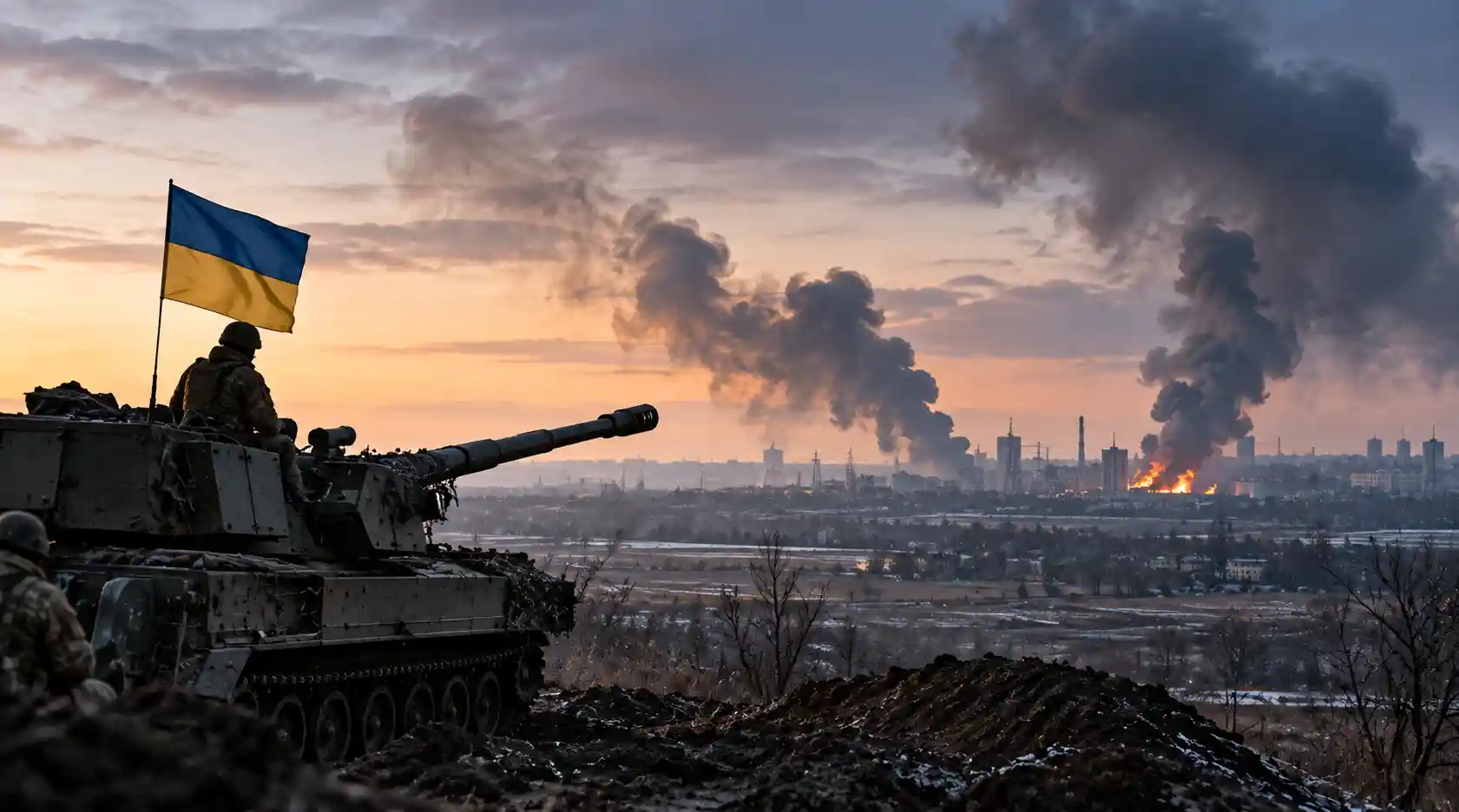
Along the heavily fortified eastern and southern axes, the Russia Ukraine frontline has seen very little territorial exchange in recent weeks. Independent conflict-monitoring organisations report that daily combat largely consists of intense artillery duels and localized skirmishes.
While the Russian Ministry of Defence routinely claims minor tactical advances near key logistical hubs in the Donetsk region, and Kyiv reports successful defensive repulsions, independent satellite imagery confirms that the overall line of contact has barely shifted. Neither side has managed to execute a major mechanized breakthrough throughout the late summer and early autumn of 2026.
Why Territorial Movement Has Been Limited
The stagnation on the ground is not due to a lack of effort, but rather the realities of modern, heavily surveilled warfare. The frontlines are saturated with deep, multi-layered minefields and anti-tank trenches.
More importantly, the ubiquitous presence of surveillance drones has made the battlefield entirely transparent. Any concentration of armor or infantry is quickly detected and targeted by precision artillery or first-person view (FPV) kamikaze drones before a large-scale assault can gather momentum.
Continued Attacks on Critical Infrastructure
With the ground war stalled, Moscow has increasingly relied on long-range weaponry to degrade Ukraine’s capacity to sustain the war. Recent weeks have seen a sharp rise in Ukraine infrastructure attacks, particularly targeting the nation’s power grid, railway junctions, and port facilities.
Through late September, Russia drone attacks Ukraine and ballistic missile strikes have frequently targeted thermal power plants and high-voltage substations. While Ukrainian air-defence crews report high interception rates, the sheer volume of incoming munitions means that some inevitably bypass the shield, causing localized devastation.
Impact on Ukraine’s Economy and Energy System
The consequences of these strikes on the Russia Ukraine economy - and Ukraine's in particular - are profound. Ukraine energy infrastructure has sustained cumulative damage that cannot be repaired overnight.
According to the Ukrainian Ministry of Energy and independent economic analysts, this infrastructure degradation has forced the government to implement rolling blackouts in several urban centres. This severely disrupts industrial production, manufacturing, and the export of agricultural goods. Without stable electricity, businesses face higher operational costs by relying on diesel generators, which in turn strains fuel availability and tightens the national budget as reconstruction costs mount.
Ukraine’s Long-Range Strikes
In response, Kyiv has expanded its own asymmetric warfare campaign. Ukraine strikes Russia have increasingly targeted military-industrial sites and energy infrastructure deep within Russian territory.
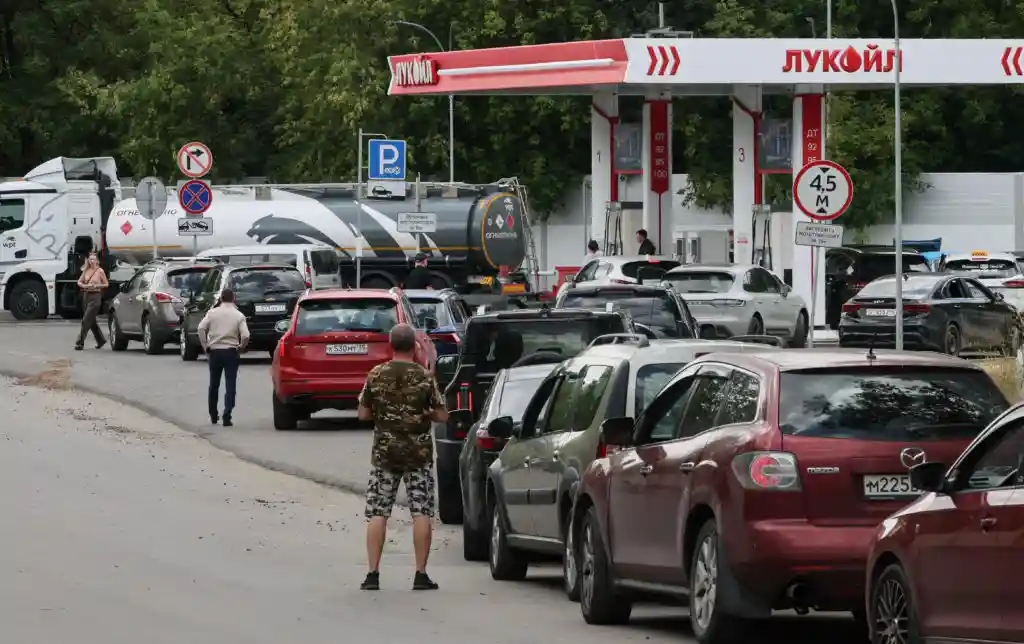
Using domestically produced long-range attack drones, Ukrainian forces have struck oil refineries, fuel depots, and military airfields hundreds of kilometres past the border. While Russian authorities frequently state that their air defences neutralize the majority of these threats, independent analysts and localized footage confirm that these strikes have successfully disrupted regional fuel supplies and forced Moscow to divert crucial air-defence systems away from the frontline to protect domestic assets.
Diplomatic and Ceasefire Developments
Despite the mounting human and economic toll, the prospect for an immediate resolution remains bleak. Hopes for meaningful Russia Ukraine peace talks are currently stalled.
Recent diplomatic summits hosted by neutral nations have failed to yield a framework for a ceasefire. Official statements from both capitals reveal entrenched, maximalist positions: Kyiv insists on the full restoration of its territorial integrity and security guarantees, while Moscow demands the recognition of the territories it currently occupies.
Official Statements and Independent Assessments
It is vital to distinguish between wartime messaging and verifiable facts. Both governments regularly issue casualty and damage reports that independent watchdogs, such as the United Nations Human Rights Monitoring Mission in Ukraine, struggle to verify due to lack of access.
Military analysts from institutions like the Institute for the Study of War (ISW) assess that both sides are currently using long-range strikes to apply political and economic pressure, knowing that decisive ground victories are currently out of reach.
What the Current Situation Means
For the Ukraine war latest update, the takeaway is clear: the conflict is being fought just as fiercely in power plants and oil depots as it is in the trenches. Air-defence systems and long-range drones have become the most critical assets for both militaries, dictating the pace and impact of the ongoing war.
Conclusion
As the Russia-Ukraine war grinds through its third autumn, the lack of frontline movement should not be mistaken for a frozen conflict. The ongoing attacks on critical infrastructure are reshaping the economic and civilian landscapes of both nations. With peace negotiations at a standstill and both sides continuously adapting their long-range strike capabilities, the war remains a volatile and deeply destructive war of attrition, with profound consequences for the global economy and international security.
Further reading and useful links
Reader questions
Frequently asked questions
What is the current status of the Russia-Ukraine war frontlines?
Frontline movement remains severely limited and static due to heavy minefields, trench networks, and widespread surveillance drone activity.
How are infrastructure attacks impacting Ukraine?
Targeted strikes on thermal power plants and substations have forced rolling blackouts across urban centers, severely disrupting industrial production and the broader economy.
How is Ukraine responding to infrastructure attacks?
Ukraine has intensified its long-range asymmetric warfare campaign, using domestically produced drones to strike fuel depots, oil refineries, and military sites deep inside Russia.
Are peace talks progressing between Russia and Ukraine?
No, peace talks are currently stalled due to entrenched, maximalist positions from both capitals regarding territorial integrity and occupied regions.
Nexuswild welcomes factual corrections. Email [email protected] with evidence and the article URL.