
Six Flags to Add Seat Belts on Goliath and Similar Coasters After Fatal Ejection
Nine rides across five parks remain closed while investigators examine the October 12 death at Six Flags Over Georgia. The company has not confirmed a cause, named every ride to be retrofitted, or set reopening dates.
Six Flags Entertainment Corporation plans to add seat-belt restraints to Goliath at Six Flags Over Georgia and other roller coasters with similar restraint systems, following a fatal accident in Georgia earlier this month. The announcement marks the company's most concrete safety response so far as investigators continue examining how a rider was ejected from the attraction.
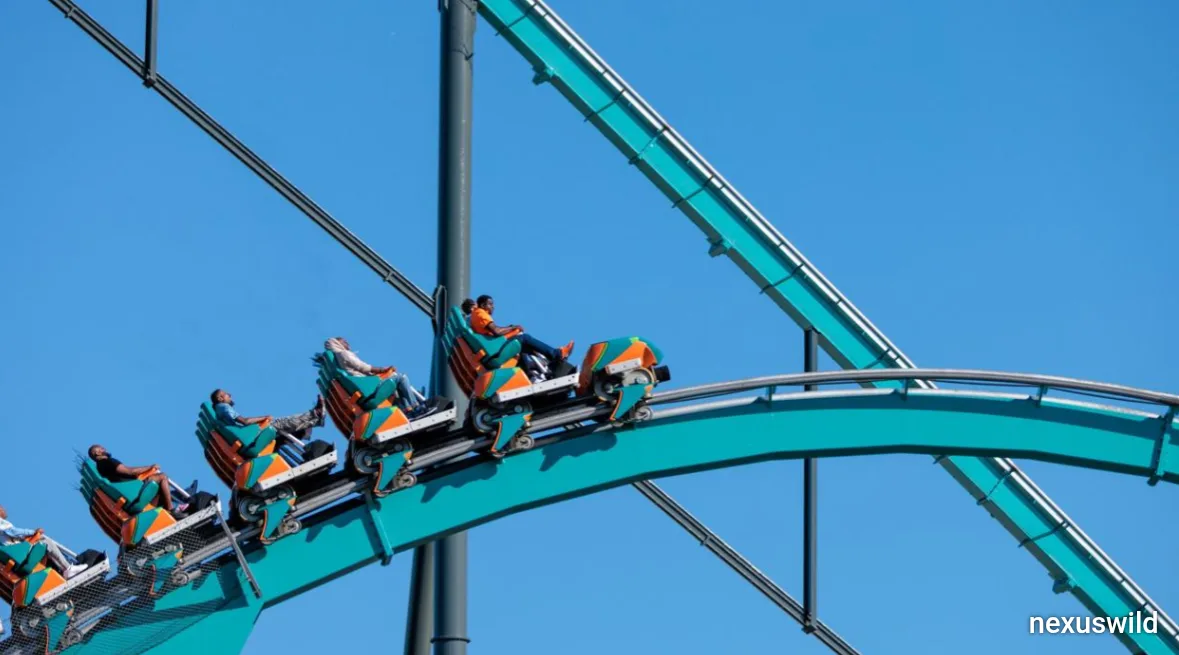
The incident occurred on October 12, 2026, when 42-year-old Hassan Jihad Ibn Kariem died after being ejected from Goliath, a 200-foot-tall steel roller coaster near Atlanta. Cobb County police said preliminary information from witnesses and park employees indicated Kariem was ejected from the ride before falling beneath the attraction. Other parkgoers were injured. Authorities have not publicly established the cause of the ejection.
In an October 23 update to guests and passholders, Six Flags President and Chief Executive Officer John Reilly said the company was reinforcing safety precautions, including adding seat belts to Goliath and other coasters with similar restraints. The company also said it had engaged independent engineers and ride-inspection specialists to review safety procedures across its parks.
Nine coasters temporarily closed
Goliath and eight additional roller coasters across five Six Flags parks in the United States and Canada were temporarily closed while the company and authorities reviewed the incident and similar attractions. The rides share comparable restraint configurations. Industry publications have reported that the affected group includes coasters built by Swiss manufacturer Bolliger & Mabillard (B&M); Six Flags has not published a definitive ride-by-ride list identifying manufacturer for each closure.
The temporary closures are precautionary measures. They do not, by themselves, establish that the rides share a mechanical fault or that their restraint systems caused the Georgia accident.
Six Flags has not published a definitive list identifying which of the eight additional rides will receive new seat belts, nor has it provided a timetable for completing any modifications or reopening the affected attractions. The company's next steps may vary by ride, because restraint configurations differ even among coasters that share a general lap-bar design.
The distinction matters for visitors planning trips to the parks. Attraction status can change as inspections proceed, so guests should check the Six Flags app or the specific park's website for current ride status rather than rely on older ride lists or assume that all affected attractions will reopen together.
Why the restraint review matters
Roller coasters use restraint systems designed around the specific ride, seat geometry, forces, and operating conditions. Goliath uses a clamshell-style lap bar, which secures a rider across the lower body. A seat belt can provide an additional point of restraint, but the effectiveness and suitability of any modification depend on the ride's design and engineering requirements.
Six Flags has not said that investigators found a defect in Goliath's restraint system. The cause of the ejection remains under investigation, and the company's announced retrofit plan should not be treated as proof that a seat belt would necessarily have prevented the fatality.
Engineers reviewing an incident of this kind may need to consider multiple factors, including the restraint's condition and operation, inspection and maintenance records, ride-system data, passenger positioning, operating procedures, and the circumstances of the individual ride cycle. Authorities have not released a final account establishing which factors contributed to the October 12 incident.
The planned changes nevertheless show that the company is considering additional layers of protection while the investigation continues. The engineering review will be important in determining what modifications are appropriate and whether any further operating or maintenance measures are needed.
Outside engineers and inspectors engaged
The October 23 message said Six Flags had retained independent engineering firms and ride-inspection specialists to review safety procedures across its attractions. The company also said it would reinforce safety precautions and continue evaluating how its parks operate and maintain rides.
The involvement of outside specialists could provide an additional assessment of restraint hardware, inspection routines, and operating practices. However, the company has not publicly released the scope, findings, or timetable of those reviews. It would therefore be premature to conclude that the inspections have already identified a systemic problem or resolved the questions surrounding the fatal incident.
The Georgia investigation is being handled by local law enforcement and state safety authorities. The state's review is expected to examine the ride and its operating circumstances, but officials have not announced a final determination on the cause. Until they do, any explanation of how Kariem was ejected should be treated as unconfirmed.
Safety, public confidence, and business implications
The closures and planned modifications have implications beyond the immediate loss of ride capacity. Large theme parks depend on visitors feeling confident that attractions are properly designed, maintained, inspected, and operated. A fatal incident can intensify public scrutiny of safety procedures and put pressure on operators to explain how they respond.
For Six Flags, the challenge is to address legitimate safety concerns while avoiding unsupported conclusions before the investigation is complete. The company will need to communicate clearly about the retrofit programme, the status of inspections, and the conditions required for affected rides to reopen.
The measures may also carry costs associated with engineering assessments, restraint modifications, testing, and downtime. The company has not disclosed the total cost of the planned work or quantified its financial impact. Any estimate of lost revenue or industry-wide retrofit spending would therefore be speculative at this stage.
Other amusement-park operators may watch the investigation for lessons relevant to attractions using similar restraint designs. However, one incident does not automatically establish that all rides using a comparable system are unsafe. Decisions about changes should be informed by ride-specific engineering assessments, regulatory findings, and evidence from the investigation.
What happens next
The next major developments will be the findings of the official investigation, the results of independent engineering reviews, and announcements about which rides will receive additional seat belts. Visitors will also be looking for clear reopening criteria and reliable updates from the affected parks.
For now, Six Flags has confirmed plans for additional restraint measures and temporary closures while reviews continue. It has not confirmed a final cause for the fatal ejection, named every coaster that will be retrofitted, or announced reopening dates for all affected rides.
The episode highlights the importance of transparent investigations and evidence-based safety decisions in the amusement-park industry. The effectiveness of Six Flags' response will ultimately depend on the quality of its engineering work, the findings of regulators and investigators, and the company's ability to communicate verified information to the public.
Nexuswild welcomes factual corrections. Email contact@nexuswild.com with evidence and the article URL.