
UNCTAD has said that global investment numbers are showing a mixed situation: the amount of international investment has gone up but the number of new projects and cross-border deals is still going down. The report, which came out on October 25 shows the problems that developing countries are facing as governments look for money for infrastructure, energy, health and other areas that are linked to development.
The recent Global Investment Trends Monitor was shared as the ninth World Investment Forum started in Doha, Qatar. The forum, which ran from October 25 to 27 gathered governments, investors and business leaders to discuss how international money can help development.
Higher Investment Values Fewer Deals
UNCTAD said that foreign direct investment (FDI) went up by 37% in the half of 2026 compared to the average half-year level in 2025. However this increase was mostly because of developed economies and big deals not because of a spread of investment activity.
The report found that the value of -border mergers and acquisitions reached $494 billion in the first nine months of 2026 which is up 57%.. The number of these deals went down by 23%. New greenfield projects—investments to build operations or facilities—fell by 15% and international project finance deals fell by 11%.
This difference is important because big deals can raise the investment value without creating more new projects. A few big deals can dominate the totals even when companies are announcing new facilities and development projects.
UNCTAD’s results therefore show a recovery that's not even. The total value of money moving around does not show whether investment is reaching economies or supporting more productive capacity.
Developing Economies Face a Development Funding Challenge
The report shows a situation for developing economies. FDI flows to these countries went up by 8% in the half of 2026 compared to the average half-year level in 2025. At the time announcements of greenfield projects went down by more than one-fifth.
Importantly announcements for investment projects that support the Sustainable Development Goals went down by more than 25% in developing countries according to UNCTAD’s early 2026 estimates.
This measure is about announced projects linked to development goals; it should not be seen as a 25% drop in every type of investment or as a measure of all the money already received by developing countries.
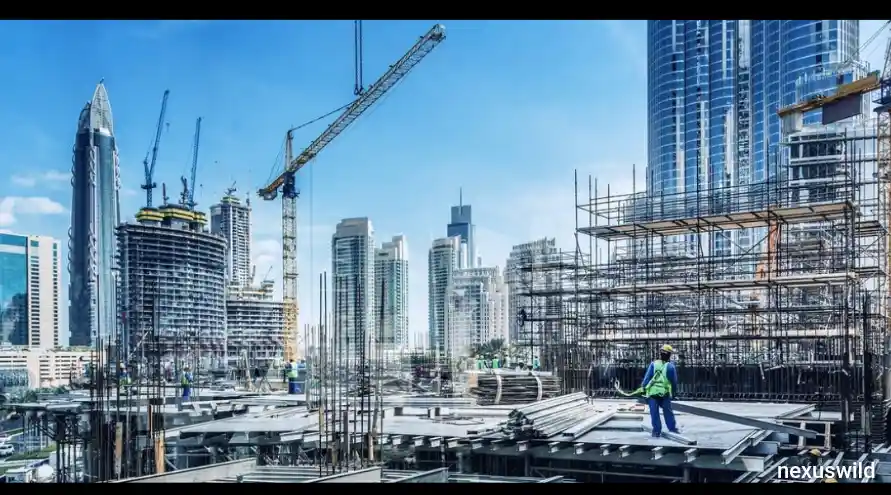
The report also found that investment in energy projects went down by about a third in developing economies compared to a 4% drop in developed economies. These trends could make it harder to grow energy capacity and finance other projects that need a lot of money upfront.
The numbers do not mean that every developing country is having the problems. Investment trends vary by region, sector and individual economy. Still the drop in project announcements related to development raises questions about whether the current investment climate's providing enough new projects where money is badly needed.
Why Investment Is Becoming Selective
UNCTAD listed geopolitical tensions, energy-price pressures, supply-chain problems and high costs as reasons that are making the outlook for new investment worse.
These conditions can affect where companies choose to build, expand or fund infrastructure. Companies may wait on projects when borrowing costs go up costs become harder to predict or when political and regulatory risks increase.
Investment is also focusing more on areas like artificial intelligence and digital infrastructure. UNCTAD said that AI-related areas took up than 40% of the value of announced greenfield investment in the United States.
Technology investment can lead to productivity and create chances for suppliers, workers and local businesses.. When money is focused in a few countries and industries other economies might find it hard to get investment for basic infrastructure and development goals.
Digital. Renewable Energy Under Pressure
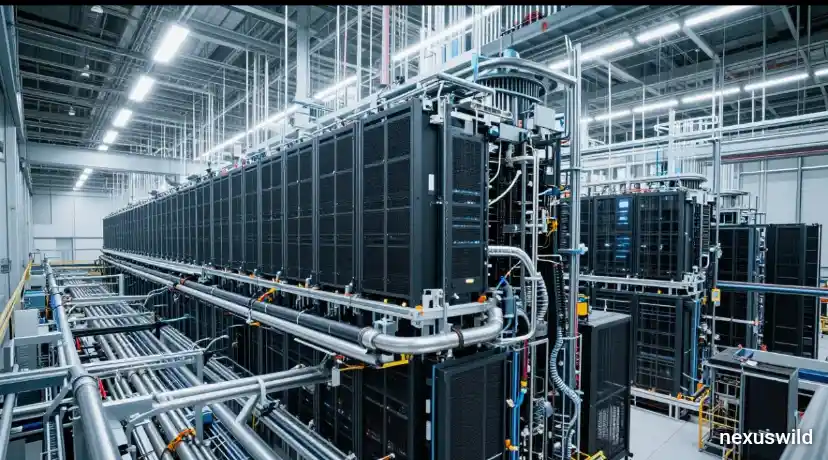
The report noted a drop of $32 billion in the value of announced greenfield investment for data centers in developing economies. UNCTAD said this change suggests that investment in infrastructure might be focusing more on high-income economies.
This is important because data centers and related tech infrastructure can help with services, business activity and the use of AI. Getting these projects often needs power, good connectivity, trained workers and a lot of money.
Renewable energy projects also have their challenges. They can take a time to set up need a lot of infrastructure and depend on clear rules and stable project economics. When project finance activity goes down some planned investments may be delayed, reduced or rethought.
The numbers do not prove that every announced project has been stopped. They show a drop in announced activity. Highlight the problems that future projects are facing.
What Policymakers and Investors Can Do
The findings support the need for policies that make investment projects work better and help more people get access to money. Governments can help by making rules more predictable, improving project planning building up workers and expanding the infrastructure that helps businesses work well.
Development banks and big financial groups can also help with money barriers especially when projects have benefits for people but face risks that private investors don’t want to take. Private partnerships and mixed financing can help bring in private money but these ways work best when the terms are clear the projects are well checked and the risks are shared properly.
For investors the numbers show the importance of telling the difference between deal values and the number of new investment activities. The number of projects that are announced the areas getting money and where the money goes can give information about how strong an investment recovery is.
The World Investment Forum in Doha gives a place for governments and money providers to talk about these problems. Whether the event leads to progress depends on the policies, partnerships and money commitments that come after.
A Recovery That Still Leaves Gaps
UNCTAD’s look does not show a total breakdown in global investment. Instead it shows a recovery that's not even with higher values but fewer new projects and weaker development-related investment news.
For developing economies the main question is whether money can be found for infrastructure, energy, digital skills and other areas that help long-term growth. The numbers released on October 25 suggest that this is still a challenge.
The next numbers to watch will be project announcements, project finance activity and signs that the money being talked about is actually getting started. These signs will help see if the rise in investment value leads to more chances, for the economy—or stays focused on a small group of economies and deals.
Nexuswild welcomes factual corrections. Email contact@nexuswild.com with evidence and the article URL.