
SpaceX Q3 Revenue Jumps 161% to $14.6 Billion as AI Business Expands
SpaceX reported an increase in revenue and returned to quarterly profitability in the third quarter of 2026. This happened as its artificial intelligence and satellite connectivity businesses grew. Revenue was $14.6 billion for the three months ending September 30. This is up 161% from $5.6 billion a year. The information came from the companys earnings release filed with the US Securities and Exchange Commission on October 20.
Net income was $4.4 billion. This is compared with a loss of $1.1 billion in the same quarter last year. Adjusted earnings before interest, taxes, depreciation and amortisation or EBITDA went up 306% to $8.8 billion.
The results show a business that is expanding into rocket launches, global broadband and AI computing infrastructure. They also show the needs of that expansion. SpaceX spent $19.6 billion on capital expenditure during the quarter alone.
AI becomes SpaceXs revenue source
The main reason for the increase in revenue was the Super Intelligence segment. This segment reported $7.56 billion in third-quarter revenue. This was up from $813 million in the quarter last year. This made the segment the biggest by sales.
SpaceX said the increase was because of cloud services agreements, its acquisition of AI coding company Cursor and the growth of its AI models and software applications. This includes Grok Bot. The company said the segment added $6.7 billion in revenue compared to the period last year.
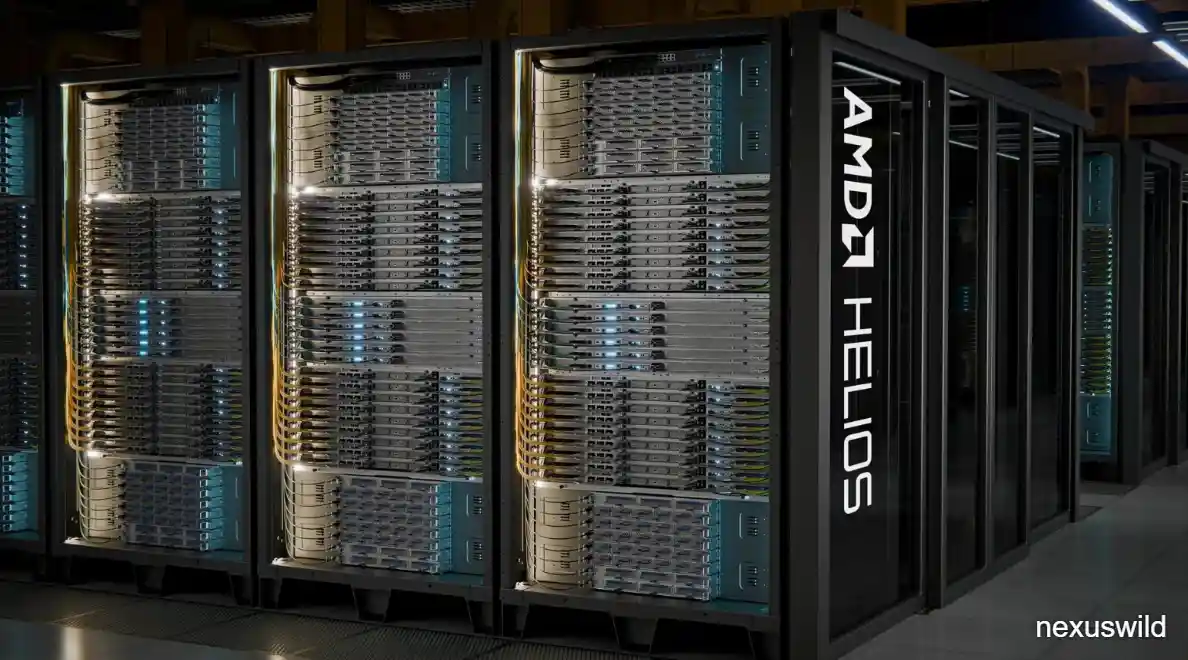
These figures show a change from SpaceXs original space business. AI companies and enterprise customers need computing power, special software and supporting structures to train and run complex models. SpaceX is trying to serve part of this market with its growing computing infrastructure and cloud-related services.
However revenue growth alone does not show if the AI business will be profitable in the term. The segment had $431 million in operating income for the quarter. Its adjusted EBITDA was $4.95 billion. The difference is because of costs and adjustments including share-based compensation from the Cursor acquisition.
This difference is important when looking at how much of the segments sales growth's becoming operating profits. It also shows how sustainable those profits could be more investment continues.
Starlink remains a source of profit
SpaceXs Connectivity segment, which includes its Starlink satellite broadband business had $5.25 billion in revenue. This is up 69% from a year. The segments operating income increased 99% to about $2.37 billion.
The results show that connectivity is still very important to the companys performance. Even as AI becomes a source of sales. Starlink serves consumers, businesses and government customers. It does this through a satellite network that gives internet access in areas where traditional connectionsre hard to get.
The company said there was growth in consumer subscribers. It also saw adoption from businesses and the government. These customers can provide income. However future results will depend on how many people want the service. It also depends on service quality, competition, network capacity and the cost of maintaining and growing the satellite network.
SpaceX also said its Space segment made $1.77 billion in revenue. This is up 6% from a year. The segment did 12 customer launches during the quarter. This business is still very important. Launch services support government missions. It also helps with putting up SpaceXs satellites.
Starship completes a mission that brings in money
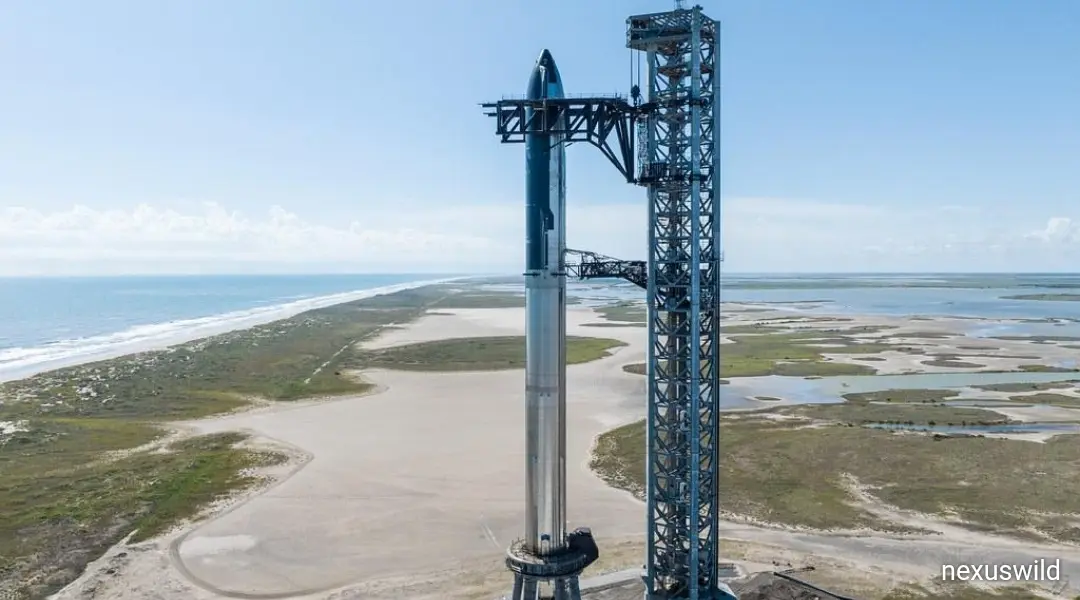
SpaceX said Starship Flight 14 was the revenue-generating Starship mission. It delivered 26 Starlink V3 satellites to the companys broadband network. The company said the mission added ten times the downlink capacity of a Falcon 9 Starlink launch.
This milestone connects the companys launch goals with its connectivity plan. If Starship can carry loads often and at a lower cost per unit of capacity it could help SpaceX expand its satellite network and other space activities.
This potential depends on engineering progress how reliable the launches are, getting the approvals and being able to reuse the vehicle safely and often. One mission does not prove that Starship has reached low-cost commercial operations.
Capital spending reaches $19.6 billion
The size of SpaceXs investment program was one of the important numbers in the quarter. Capital spending was $19.593 billion. This is compared with $6.88 billion in the quarter of 2025.
Most of the spending went to the Super Intelligence segment. This segment had $16.44 billion. Connectivity investment was $1.54 billion. The Space segment had $1.61 billion.
The spending shows the infrastructure needed to support AI computing power, satellite production and the Starship program. SpaceX reported a nameplate computing capacity of 1.7 gigawatts as of September 30 2026. This shows the scale of the facilities it is building.
This kind of investment could help growth.. It also brings financial and execution risks. Large computing facilities need a lot of equipment, energy and ongoing operating costs. If customer demand is not as expected or new capacity takes longer to become useful returns on that spending could be worse.
The capital spending for the quarter should be different from operating expenses. It represents investment in assets and structures. It is not a measure of the cost of running the business during that time.
What comes next
SpaceXs third-quarter results show how quickly the companys business mix is changing. AI-related sales have become the source of revenue. Starlink still brings in operating income. Launch operations remain part of the infrastructure supporting the business.
The main question is whether the company can turn its growing revenue into lasting cash flow. It also needs to keep funding its investment plans. Investors will watch computing power demand for cloud services growth in Starlink subscribers and businesses and progress toward regular Starship operations.
For now the results show growth and a return to quarterly profit. The next test is whether that growth can keep going. It must not let capital spending and infrastructure needs outpace the returns, from the companys expanding businesses.
Nexuswild welcomes factual corrections. Email contact@nexuswild.com with evidence and the article URL.