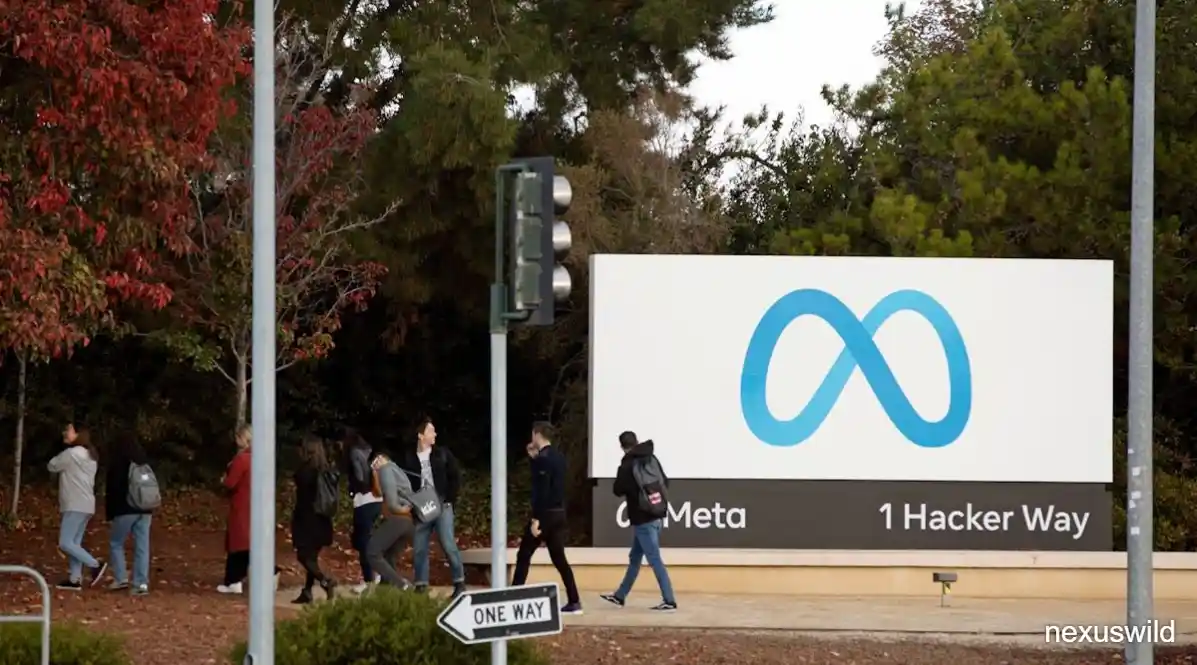

The United Kingdoms Competition and Markets Authority known as CMA has started an investigation into Metas commercial terms that affect publishers and other businesses. The investigation looks at whether Meta might be setting trading conditions by gathering website content to use in its own products and artificial intelligence features.
Announced on October 30 2026 this investigation will determine whether Meta holds a position in a relevant UK market. If Meta is dominant the investigation will check whether Metas current or proposed commercial terms could be an abuse of that position under the Competition Act 1998.
The regulators action comes after concerns raised by industry organisations such as the News Media Association and the Movement for an Open Web. The dispute focuses on whether businesses that use Metas services have a choice about how content published on their websites can be accessed and used by Meta.
Meta has paused the rollout of its proposed terms while it consults with industry groups. Meta rejects the reason for the investigation saying there are no grounds for action. Meta also says it has already promised to consult publishers and other stakeholders before changing its terms.
CMA Examines Metas Commercial Terms
According to the CMA Metas proposed terms might permit Meta to collect content from the websites of businesses and publishers that use Metas platforms. That content could then be used to build and offer Metas products and services including AI features.
The regulator worries that businesses might have to accept these conditions without a choice about whether their content is collected or how it is later used.
The investigation will look at two questions. First does Meta hold a position in one or more relevant UK markets? Second could Metas commercial terms be an abuse of that position?
This distinction matters because simply holding a position is not by itself a violation of competition law. The CMA must prove that Metas conduct meets the test for abuse under Chapter II of the Competition Act 1998.
The authority said it has received concerns from industry stakeholders and will now gather evidence from Meta and affected parties.
Publishers Raise Concerns About Website Content
The proposed terms have drawn criticism from publishing organisations that worry about control and commercial use of website material.
Publishers spend money on journalism, research, photography, video and other digital content. Their websites support advertising, subscriptions and direct relationships with readers. Therefore publishers worry about permissions that might let third parties collect and reuse their material for extra commercial purposes.
The Professional Publishers Association, known as PPA said the proposed terms could force businesses that use Metas services to give Meta permission to crawl their websites. The PPA argued that this permission could go beyond what's needed for basic platform functions and could include material used in AI‑related products.
The association also expressed concerns about the lack of a contractual opt‑out. It said publishers might face a choice: accept the proposed conditions or lose access to platforms that reach audiences.
The PPA said Meta had mentioned robots.txt as a way for publishers to signal preferences. The PPA argued that this assurance was missing from the proposed contractual terms.
These concerns come from publisher organisations. Are among the issues the regulator will look at. The CMA has not yet decided whether the terms violate competition law.
Meta Pauses Rollout Following Regulatory Engagement
Metas revised commercial terms were originally set to start on October 30. After talking with the CMA Meta delayed the start until November 20.
On October 28 Meta announced another pause while it consulted industry groups. The CMA confirmed this pause in its investigation announcement.
A Meta spokesperson told Reuters that there are no grounds for an investigation. Meta also said it had already promised not to change its terms without consulting publishers and other stakeholders. Meta welcomed the chance to explain its approach to the regulator.
The pause gives Meta time to talk with industry representatives and think about concerns over the proposed wording.. The regulators investigation means the terms will also be examined under competition law.
The existing terms are reported to stay in place while the revised rollout is paused.
Competition Act 1998 Provides the Legal Framework
The CMA is using its powers under the Competition Act 1998 to investigate this matter. The case falls under Chapter II prohibition, which covers conduct that abuses a position and may affect trade, within the United Kingdom.
The regulator will look at the market and see where Meta stands in it. It will check if the commercial conditions could be trading practices by a dominant business.
The CMA also told why it is using competition law instead of the UKs digital markets competition regime. Because Meta had not been given Strategic Market Status when the announcement was made the regulator could not use some powers in that framework.
The investigation is still in its stage. The CMA has made it clear that no decision has been made about whether Meta has broken the law.
If the regulator first thinks that competition law has been broken it may issue a statement of objections. Give the company a chance to reply before making a final decision.
Separate Scrutiny of Meta One Business Subscription
The CMAs announcement also mentioned an issue about Meta One, the companys business subscription service.
The regulator is looking for information after the Federation of Small Businesses raised worries about how small businesses might be affected by posting links on Facebook and Instagram without paying a subscription fee.
The CMA said that this matter is outside the scope of the formal Competition Act investigation into Metas commercial terms. It has not yet decided whether to take action on the Meta One issue.
Potential Impact on Publishers and AI Development
The investigation could change how digital platforms get permission to access and use content from third‑party websites.
For publishers the main worry is whether getting access to online audiences should come with broad permissions for content they publish on their own sites. If the CMA demands contractual choices publishers might get more control over how their material is used beyond the basic functions of a platform.
The case also brings up questions about AI development. Companies that build AI‑powered services need access to amounts of information but collecting and using online material can bring up other questions about copyright, licensing, contractual permission and competition law.
For technology companies the investigation may put pressure on them to make their data‑collection policies and commercial terms more clear. Businesses might also need to give ways for website owners to share their preferences.
Any wider impact on AI licensing arrangements will depend on what the CMA finds and the final outcome of the case.
CMA Investigation Moves Into Evidence‑Gathering Stage
The regulators suggested timetable shows October 2026 to January 2027 for the phase of gathering information and talking with Meta and other parties. This phase should help the CMA look at concerns raised by publishers and other businesses.
The investigation might end if the authority decides not to go.. If it finds a possible infringement the CMA may take more formal steps under the Competition Act.
For now the pause in Metas commercial terms gives time for consultation while the regulator checks whether the proposed conditions could hurt businesses that rely on its platforms.
The result could shape talks about platform access, publisher rights and the commercial use of online content, in AI development.
No conclusion has yet been made about whether Metas terms break UK competition law.
Nexuswild welcomes factual corrections. Email contact@nexuswild.com with evidence and the article URL.