
U.S. President Donald Trump said Saturday, September 26, 2026, that he has rejected an Iranian proposal to reopen the Strait of Hormuz and end hostilities between the two countries, a rebuff that leaves one of the world's most important oil chokepoints closed with no clear diplomatic path forward for now.
What Iran Proposed
Iran's foreign minister, Abbas Araghchi, presented the plan on the sidelines of the UN General Assembly in New York, transmitted to U.S. officials through Qatari mediators. Under the proposal, Iran said it would reopen the strait and resume nuclear talks within seven days if the United States lifted its naval blockade of Iranian ports, waived sanctions on Iranian oil exports, and observed a ceasefire covering Lebanon. Araghchi said the conditions largely mirrored a ceasefire memorandum the two sides had agreed to in June, which collapsed within days after renewed strikes.
Trump's Response
Speaking to reporters as he left the White House, Trump said the proposal "would not be acceptable," framing Iran's push for an immediate deal as a sign of weakness: "They want to make a deal where they open the strait immediately because they're losing so badly." He said he was open to negotiating but not on those terms. U.S. officials had signaled the rejection was coming a day earlier, and the Wall Street Journal has separately reported that Trump has told aides he expects U.S. strikes on Iran to resume after the November midterm elections, though officials cautioned his position could still shift as talks continue through regional mediators.
Iran's Reaction
Araghchi responded on social media Saturday, saying Iran "will not back down" on its conditions and that Tehran was waiting for "definitive opinions" from mediators before deciding its next move, adding that "only a negotiated solution" would end the standoff. As of Sunday, September 27, Iran had not indicated it had received a formal, detailed U.S. response beyond Trump's public remarks.
Regional Context
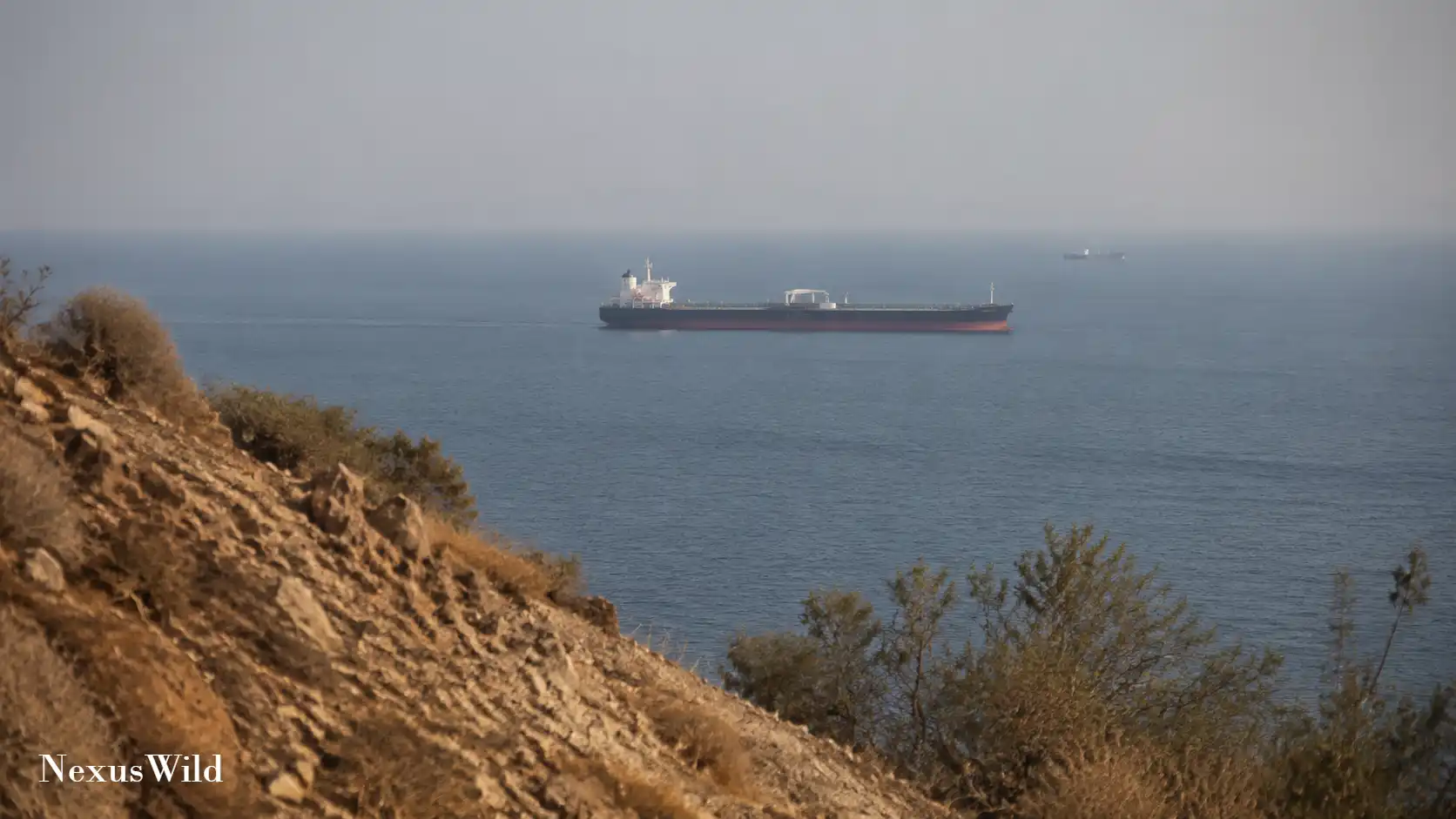
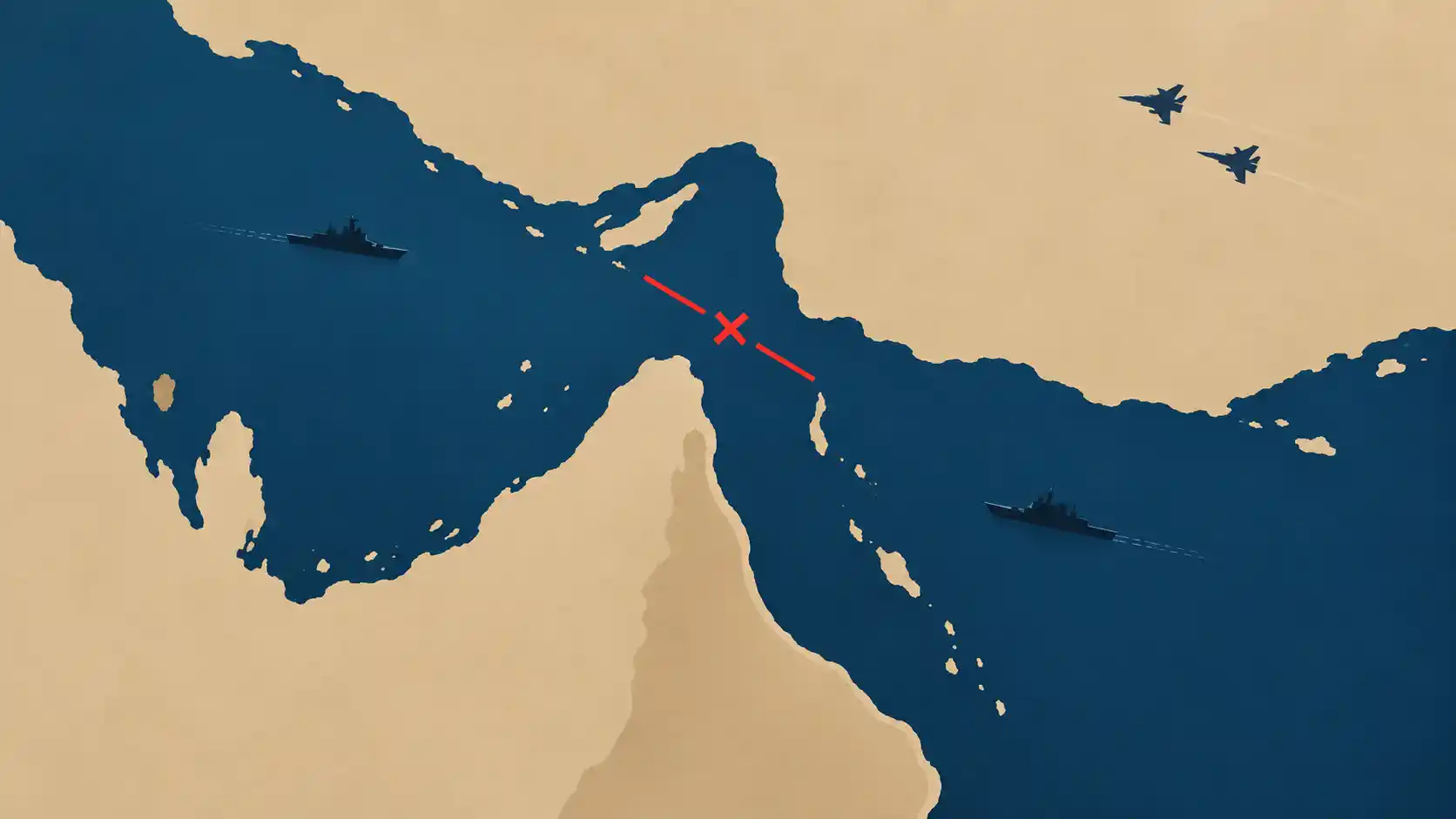
The Strait of Hormuz has been effectively closed since the U.S. and Israel struck Iran in late February, and shipping through the waterway has dropped sharply amid Iranian threats and attacks on vessels. Saudi Arabia has separately warned at the United Nations on multiple occasions this year, including at a Security Council session, that threats to shipping in the Gulf and the Red Sea's Bab al-Mandab corridor endanger global trade and energy security, as Saudi Arabia has rerouted much of its own crude exports through its East-West Pipeline to the Red Sea port of Yanbu to reduce reliance on Hormuz. Separate reporting has pointed to increased U.S. aerial surveillance and refuelling activity near the strait in recent days, though the scale and purpose of that activity remain unconfirmed and should be treated as developing rather than established fact.
Why It Matters
The rejection removes, for now, the most concrete diplomatic offer on the table to reopen a waterway that carries a substantial share of the world's seaborne oil trade. Analysts have noted Trump faces conflicting pressures: a deal could ease oil prices ahead of the midterms, but he has expressed skepticism that Iran would actually follow through on its side of the bargain. Absent a new proposal, both the strait's closure and the risk of renewed military escalation in the Gulf appear likely to persist.
This is a developing story. Key elements - including the precise scope of U.S. military movements near the strait and whether Iran will treat Trump's public remarks as a final answer - remain unconfirmed and may be updated as more official statements emerge.
Further reading and useful links
Reader questions
Frequently asked questions
What was Iran's proposal to reopen the Strait of Hormuz?
Iran proposed reopening the strait and resuming nuclear talks within seven days if the U.S. lifted its naval blockade, waived oil export sanctions, and observed a Lebanon ceasefire.
How did President Donald Trump respond to Iran's proposal?
President Trump rejected the proposal, stating it was unacceptable and framing Iran's push for an immediate deal as a sign of weakness.
Who mediated the transmission of the proposal between Iran and the U.S.?
The proposal was transmitted to U.S. officials through Qatari mediators on the sidelines of the UN General Assembly.
When did the Strait of Hormuz effectively close?
The Strait of Hormuz has been effectively closed since U.S. and Israeli strikes against Iran in late February 2026.
Nexuswild welcomes factual corrections. Email [email protected] with evidence and the article URL.