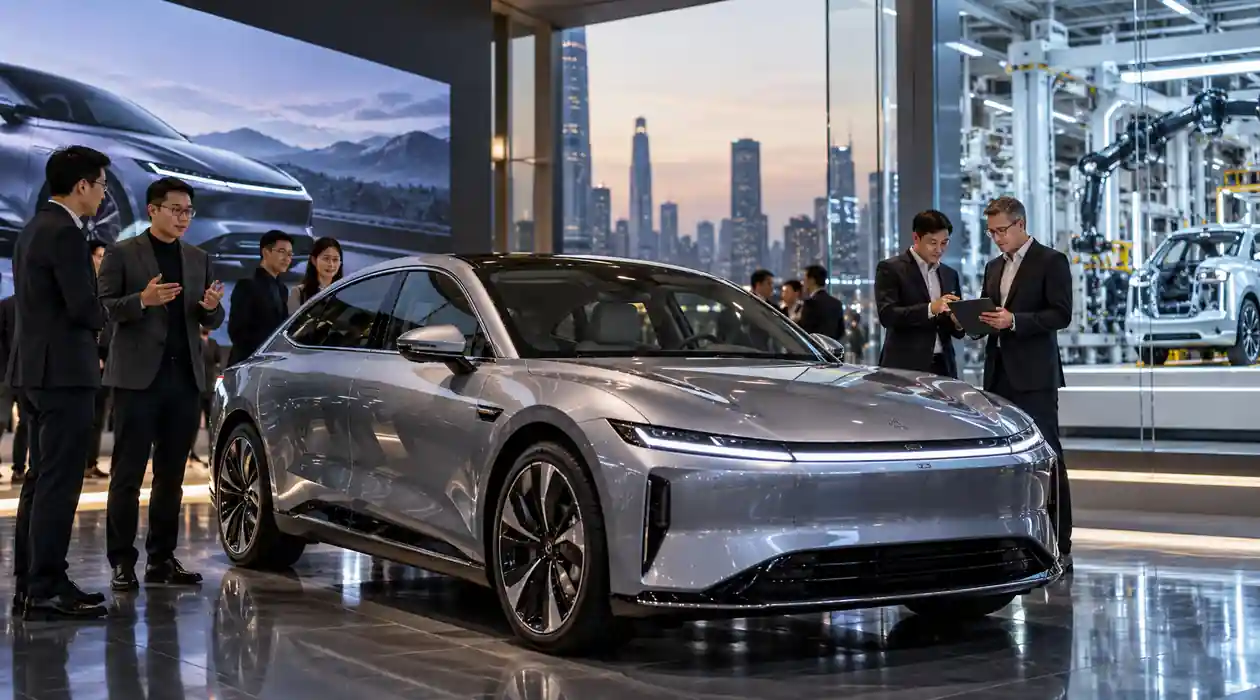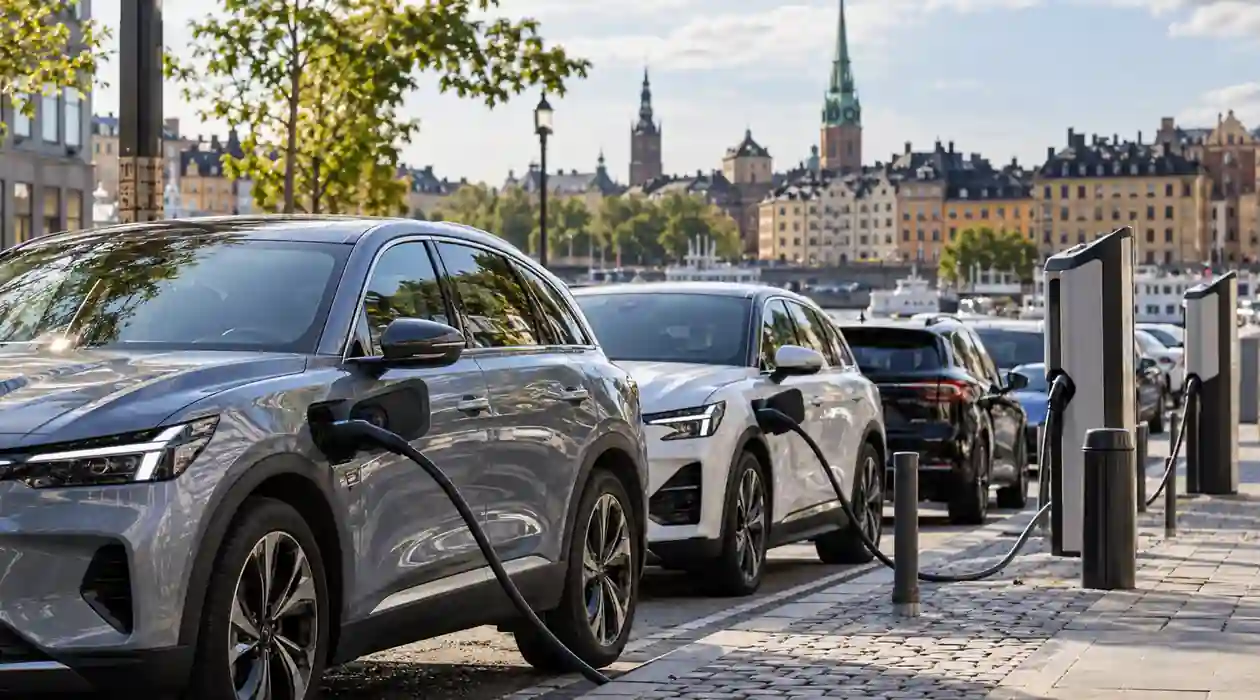

European car registrations rose in August as demand for electrified vehicles offset steep declines in petrol and diesel models, making the powertrain transition visible in actual sales mix. The immediate headline is important, but the larger story is how the event changes the operating assumptions around Europe EV sales August 2026.
What happened
Reuters reported that European car registrations increased in August as electrified models supported growth while petrol and diesel registrations fell sharply. Separate Reuters reporting put battery-electric market share at 30.5% for the month.
Why the development matters
Market share matters because automakers make investment decisions around volume, not policy targets alone. A sustained shift toward battery-electric models changes factory utilization, supplier demand and the economics of combustion-engine platforms.
The business-model test
The strategic announcement is only the first layer. The harder test is whether distribution, unit economics, customer acquisition, supply-chain execution and capital intensity improve together. Scale can strengthen a business model, but it can also expose weak economics faster when every incremental customer requires expensive infrastructure.
The deeper signal
Europe’s transition is entering a scale phase. The strategic question for manufacturers is increasingly how quickly they can reduce battery costs, localize supply chains and offer profitable EVs across mass-market price points.
Why markets and operators will care
A single announcement rarely changes an industry by itself. What matters is whether it alters cost, capacity, risk allocation or the speed at which competitors must respond. That is why this story is best tracked through measurable follow-through rather than headline momentum. Capital spending, utilization, financing terms, regulatory filings and counterparties' behavior can confirm whether the change is becoming structural.
What to watch next
Watch model-level pricing, incentive changes, charging infrastructure and whether EV growth continues when fuel prices or subsidies move in less supportive directions.
Bottom line
The core NexusWild takeaway is not a prediction. It is that Europe EV sales August 2026 now has a clearer set of measurable constraints and catalysts. The next update should be judged against those indicators, with new claims separated from confirmed data.
Reader questions
Frequently asked questions
What happened in the Europe EV sales August 2026 story?
Reuters reported that European car registrations increased in August as electrified models supported growth while petrol and diesel registrations fell sharply. Separate Reuters reporting put battery-electric market share at 30.5% for the month.
Why does this development matter?
Market share matters because automakers make investment decisions around volume, not policy targets alone. A sustained shift toward battery-electric models changes factory utilization, supplier demand and the economics of combustion-engine platforms.
What is the key technical or financial issue?
Europe’s transition is entering a scale phase. The strategic question for manufacturers is increasingly how quickly they can reduce battery costs, localize supply chains and offer profitable EVs across mass-market price points.
What should readers monitor next?
Watch model-level pricing, incentive changes, charging infrastructure and whether EV growth continues when fuel prices or subsidies move in less supportive directions.
Nexuswild welcomes factual corrections. Email [email protected] with evidence and the article URL.