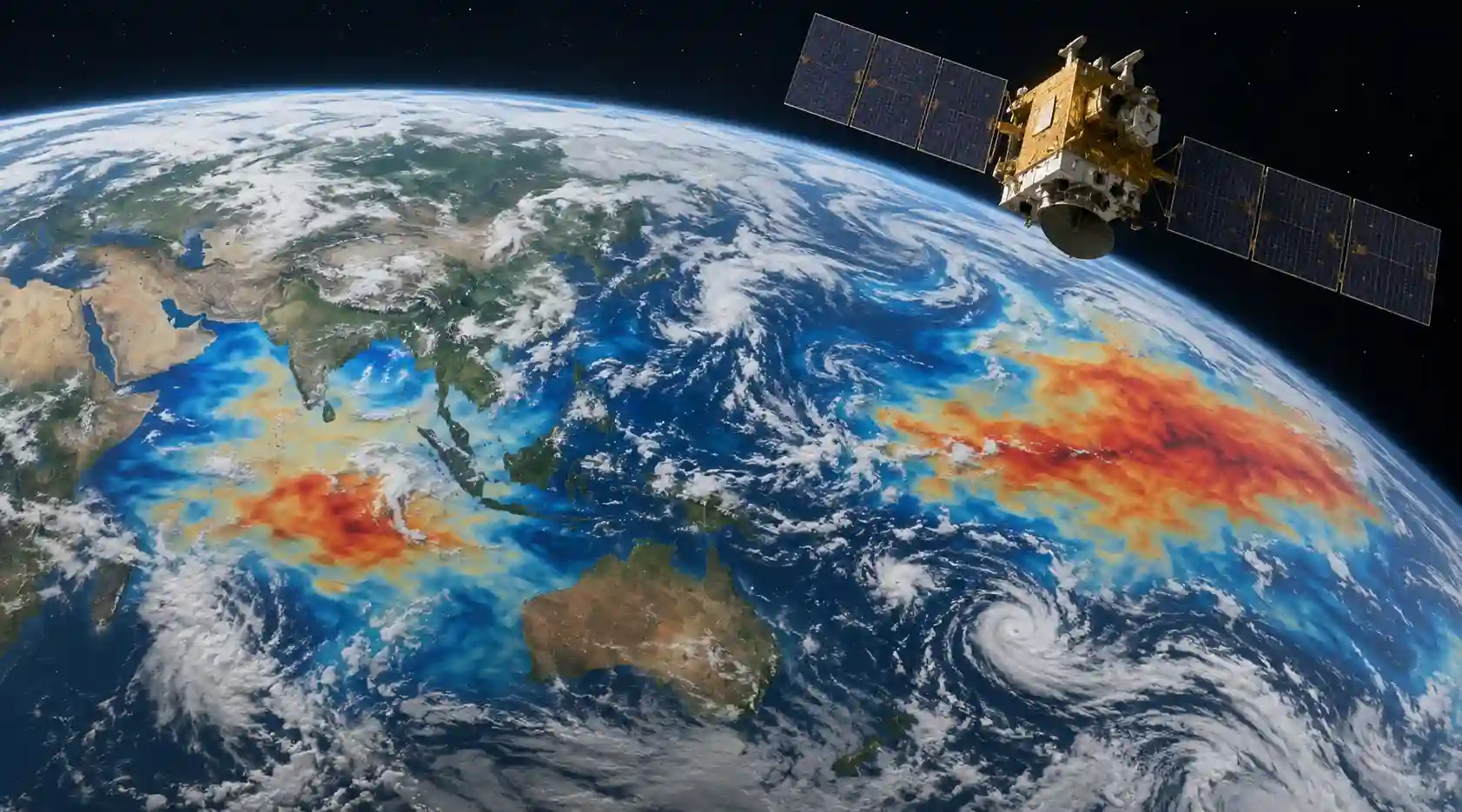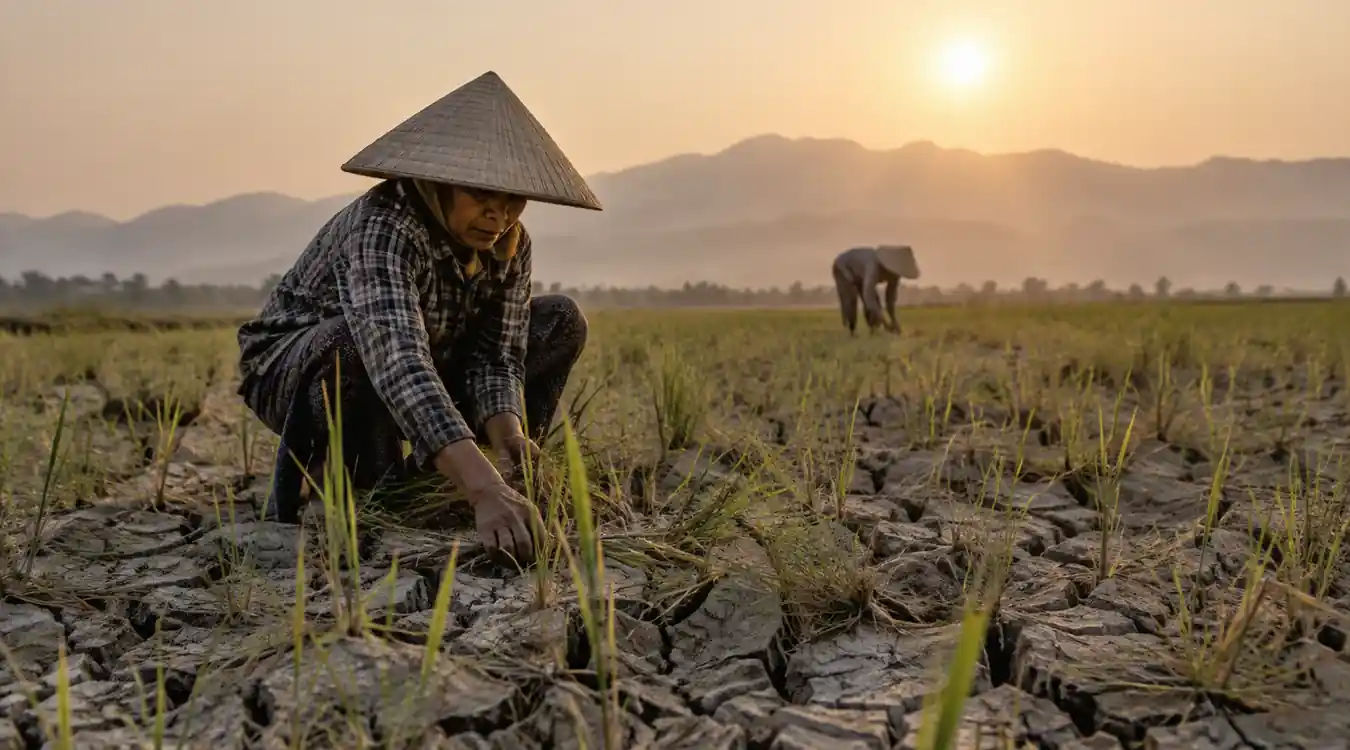

A worsening El Niño is threatening rainfall, agriculture and fisheries across Asia, creating potential pressure on rice, palm oil and household food prices. The immediate headline is important, but the larger story is how the event changes the operating assumptions around El Nino food prices 2026.
What happened
Associated Press reporting described a strengthening El Niño that threatens drought, heat and food production across parts of Asia. The report highlighted risks to rice, palm oil, water supplies and fisheries, with severe scenarios potentially driving global food prices significantly higher.
Why the development matters
Weather shocks become global inflation shocks when they hit several major exporting regions at the same time. Rice and palm oil are especially important because they feed into household staples, processed food and trade policy across many countries.
The macro transmission channel
The key question is how this development moves through prices, trade, household demand and policy. A shock can begin in climate, commodities or external demand and then appear later in inflation, fiscal costs, corporate margins and central-bank decisions.
The deeper signal
The transmission is rarely linear. Governments can release reserves, alter export rules or subsidize consumers, while high energy and fertilizer costs can amplify agricultural pressure. Central banks then face inflation that monetary policy cannot directly fix.
Why markets and operators will care
A single announcement rarely changes an industry by itself. What matters is whether it alters cost, capacity, risk allocation or the speed at which competitors must respond. That is why this story is best tracked through measurable follow-through rather than headline momentum. Capital spending, utilization, financing terms, regulatory filings and counterparties' behavior can confirm whether the change is becoming structural.
What to watch next
Rainfall anomalies, crop forecasts, export restrictions, reservoir levels and benchmark rice and palm-oil prices will indicate whether the climate risk is turning into a trade and inflation problem.
Bottom line
The core NexusWild takeaway is not a prediction. It is that El Nino food prices 2026 now has a clearer set of measurable constraints and catalysts. The next update should be judged against those indicators, with new claims separated from confirmed data.
Reader questions
Frequently asked questions
What happened in the El Nino food prices 2026 story?
Associated Press reporting described a strengthening El Niño that threatens drought, heat and food production across parts of Asia. The report highlighted risks to rice, palm oil, water supplies and fisheries, with severe scenarios potentially driving global food prices significantly higher.
Why does this development matter?
Weather shocks become global inflation shocks when they hit several major exporting regions at the same time. Rice and palm oil are especially important because they feed into household staples, processed food and trade policy across many countries.
What is the key technical or financial issue?
The transmission is rarely linear. Governments can release reserves, alter export rules or subsidize consumers, while high energy and fertilizer costs can amplify agricultural pressure. Central banks then face inflation that monetary policy cannot directly fix.
What should readers monitor next?
Rainfall anomalies, crop forecasts, export restrictions, reservoir levels and benchmark rice and palm-oil prices will indicate whether the climate risk is turning into a trade and inflation problem.
Nexuswild welcomes factual corrections. Email [email protected] with evidence and the article URL.