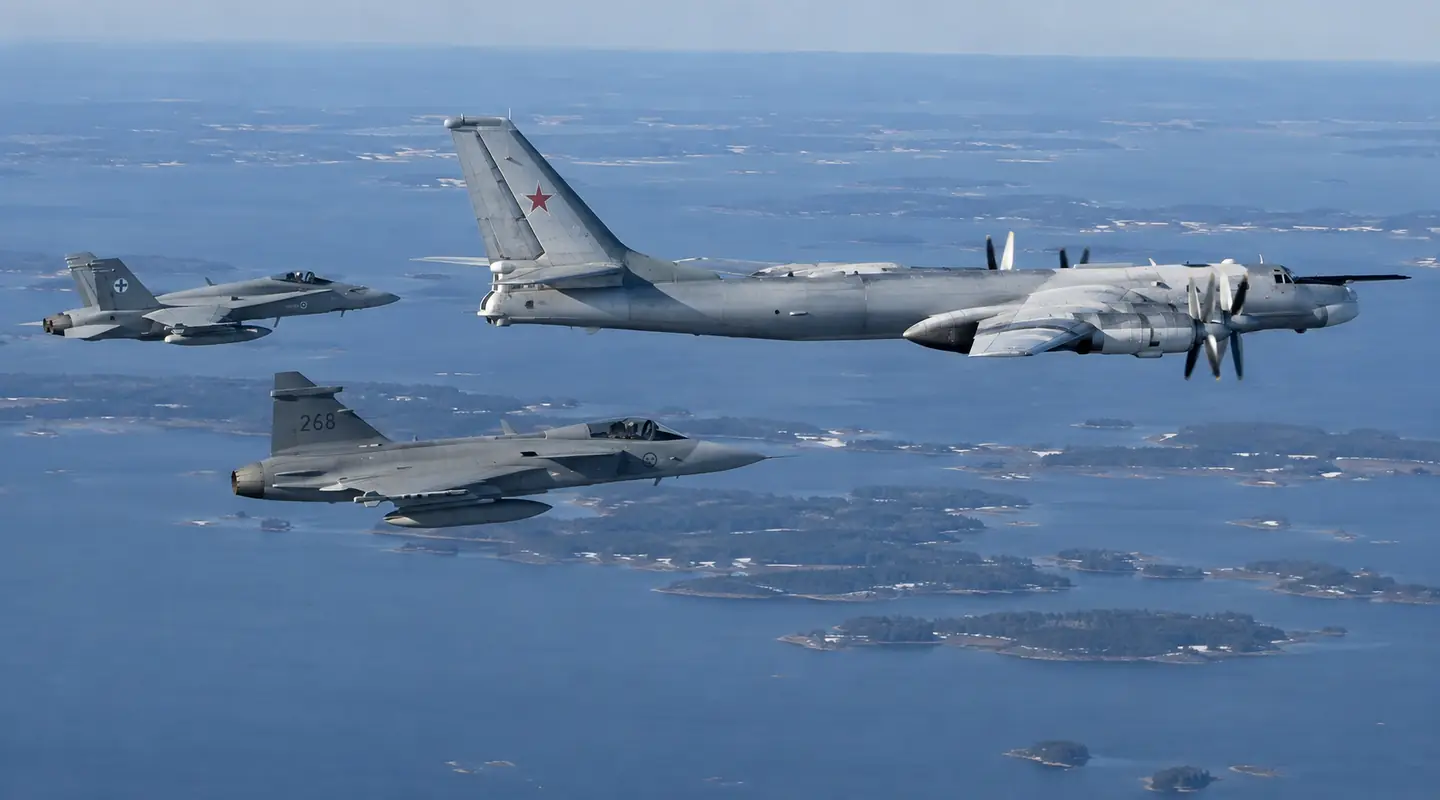

Denmark’s defense intelligence service says it expects more frequent Russian hybrid activity against Western countries, while Moscow has repeatedly denied involvement in sabotage operations. The immediate headline is important, but the larger story is how the event changes the operating assumptions around Russia hybrid warfare Denmark.
What happened
Denmark’s defense intelligence service said it expects Russia to intensify hybrid warfare against the West and NATO in coming months. The assessment followed heightened European concern over sabotage and drone incidents. Russia has repeatedly denied involvement in hybrid attacks against NATO countries.
Why the development matters
Hybrid activity is a broad category that can include cyber operations, sabotage, influence campaigns, infrastructure interference and other actions below the threshold of conventional war. Attribution is often difficult and can take time.
What is established and what is not
The documented facts should be separated from interpretation. Official statements, formal agreements and verified operational events provide the firmest basis for assessing the development. Claims about intent or future behavior remain uncertain unless supported by additional evidence.
The deeper signal
For governments and companies, the practical challenge is resilience. Airports, energy networks, telecom systems, ports and data infrastructure can all create high economic impact if disrupted even briefly.
Why markets and operators will care
A single announcement rarely changes an industry by itself. What matters is whether it alters cost, capacity, risk allocation or the speed at which competitors must respond. That is why this story is best tracked through measurable follow-through rather than headline momentum. Capital spending, utilization, financing terms, regulatory filings and counterparties' behavior can confirm whether the change is becoming structural.
What to watch next
Watch for publicly attributed incidents, criminal investigations, NATO intelligence-sharing changes and new protection measures around critical infrastructure. Claims should be separated from confirmed attribution.
Bottom line
The core NexusWild takeaway is not a prediction. It is that Russia hybrid warfare Denmark now has a clearer set of measurable constraints and catalysts. The next update should be judged against those indicators, with new claims separated from confirmed data.
Reader questions
Frequently asked questions
What happened in the Russia hybrid warfare Denmark story?
Denmark’s defense intelligence service said it expects Russia to intensify hybrid warfare against the West and NATO in coming months. The assessment followed heightened European concern over sabotage and drone incidents. Russia has repeatedly denied involvement in hybrid attacks against NATO countries.
Why does this development matter?
Hybrid activity is a broad category that can include cyber operations, sabotage, influence campaigns, infrastructure interference and other actions below the threshold of conventional war. Attribution is often difficult and can take time.
What is the key technical or financial issue?
For governments and companies, the practical challenge is resilience. Airports, energy networks, telecom systems, ports and data infrastructure can all create high economic impact if disrupted even briefly.
What should readers monitor next?
Watch for publicly attributed incidents, criminal investigations, NATO intelligence-sharing changes and new protection measures around critical infrastructure. Claims should be separated from confirmed attribution.
Nexuswild welcomes factual corrections. Email [email protected] with evidence and the article URL.