
Geely says its latest smart-charging system took selected production vehicles from 10% to 70% in four minutes and 30 seconds, intensifying competition around charging speed. The immediate headline is important, but the larger story is how the event changes the operating assumptions around Geely fast charging.
What happened
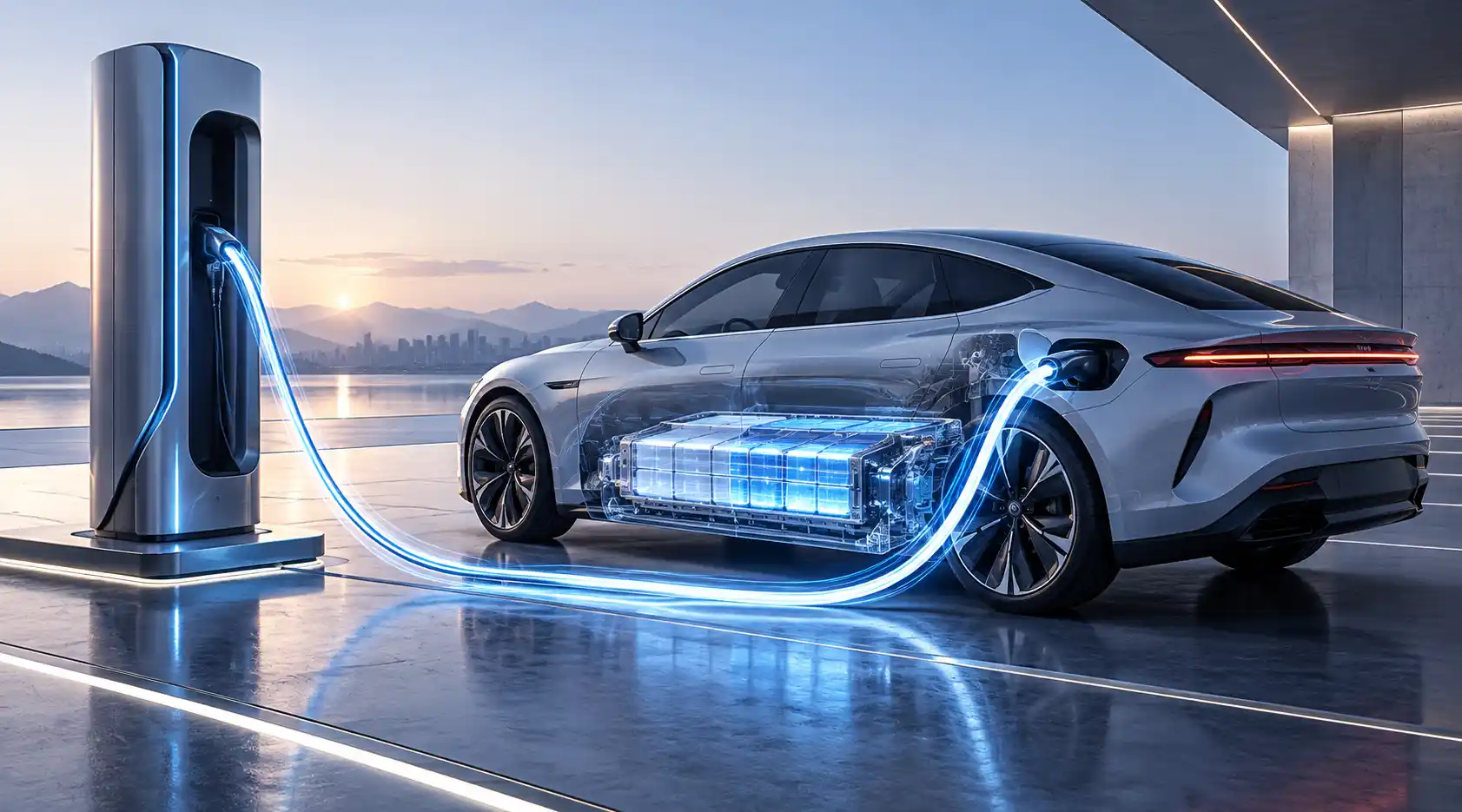
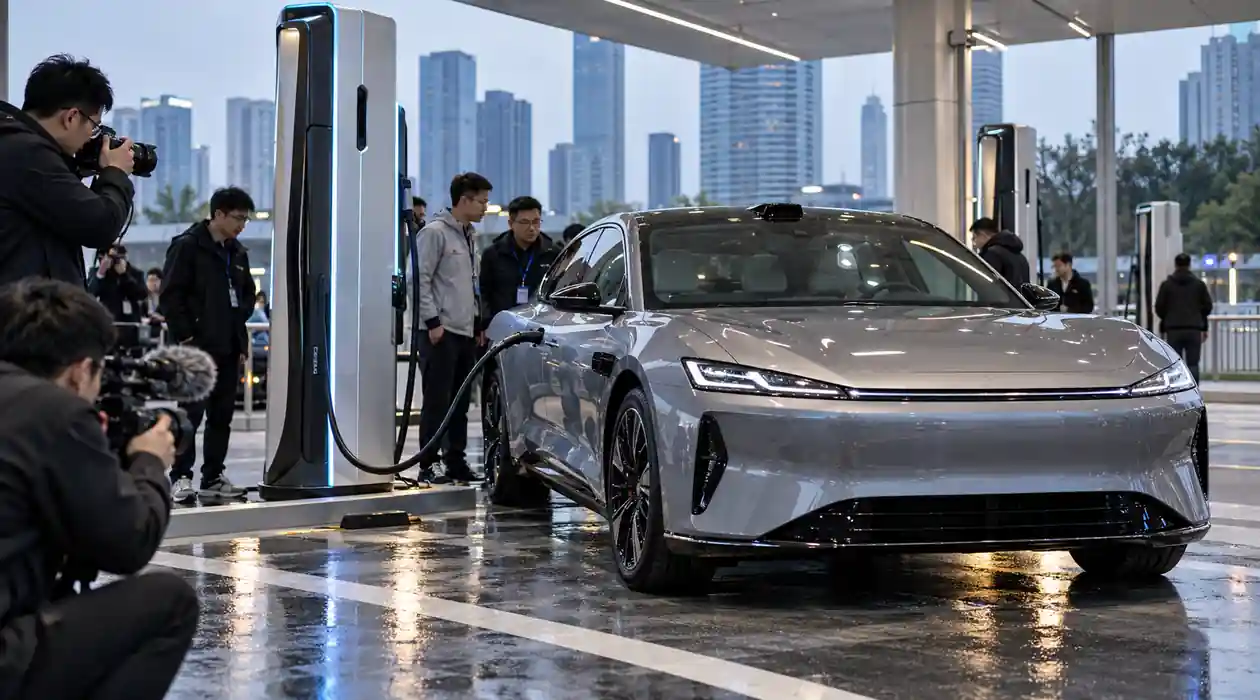
Geely said real-world tests of its new smart-charging technology took the Lynk & Co 10 and Zeekr 001 from 10% to 70% state of charge in four minutes and 30 seconds. The system combines high-power charging with battery and thermal-management changes.
Why the development matters
Charging speed is constrained by more than charger output. Cell chemistry, battery temperature, cable cooling, pack design, grid connection and charging-curve behavior all determine how much energy can be added safely.
The engineering constraint
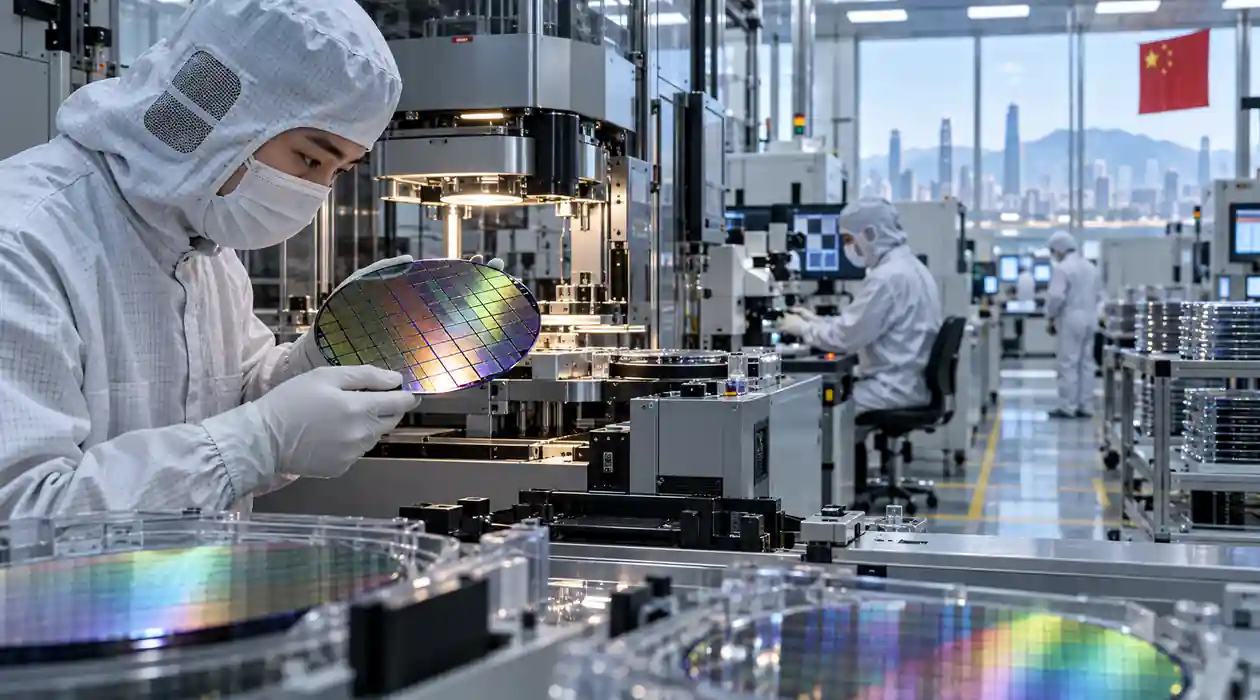
The most useful way to read this development is through system constraints. Performance at the component level matters, but commercial scale depends on power, networking, software, cooling, supply chains and capital arriving at the same time. That systems view separates a technically impressive demonstration from infrastructure that can be deployed repeatedly at economic scale.
The deeper signal
A four-minute headline is commercially meaningful only if performance can be repeated across temperatures, battery ages and busy charging stations. Grid infrastructure also has to deliver very high peak power without turning each site into an expensive engineering project.
Why markets and operators will care
A single announcement rarely changes an industry by itself. What matters is whether it alters cost, capacity, risk allocation or the speed at which competitors must respond. That is why this story is best tracked through measurable follow-through rather than headline momentum. Capital spending, utilization, financing terms, regulatory filings and counterparties' behavior can confirm whether the change is becoming structural.
What to watch next
Independent charging curves, battery degradation data, station utilization and rollout costs will show whether ultra-fast charging can scale beyond demonstrations.
Bottom line
The core NexusWild takeaway is not a prediction. It is that Geely fast charging now has a clearer set of measurable constraints and catalysts. The next update should be judged against those indicators, with new claims separated from confirmed data.
Reader questions
Frequently asked questions
What happened in the Geely fast charging story?
Geely said real-world tests of its new smart-charging technology took the Lynk & Co 10 and Zeekr 001 from 10% to 70% state of charge in four minutes and 30 seconds. The system combines high-power charging with battery and thermal-management changes.
Why does this development matter?
Charging speed is constrained by more than charger output. Cell chemistry, battery temperature, cable cooling, pack design, grid connection and charging-curve behavior all determine how much energy can be added safely.
What is the key technical or financial issue?
A four-minute headline is commercially meaningful only if performance can be repeated across temperatures, battery ages and busy charging stations. Grid infrastructure also has to deliver very high peak power without turning each site into an expensive engineering project.
What should readers monitor next?
Independent charging curves, battery degradation data, station utilization and rollout costs will show whether ultra-fast charging can scale beyond demonstrations.
Nexuswild welcomes factual corrections. Email [email protected] with evidence and the article URL.