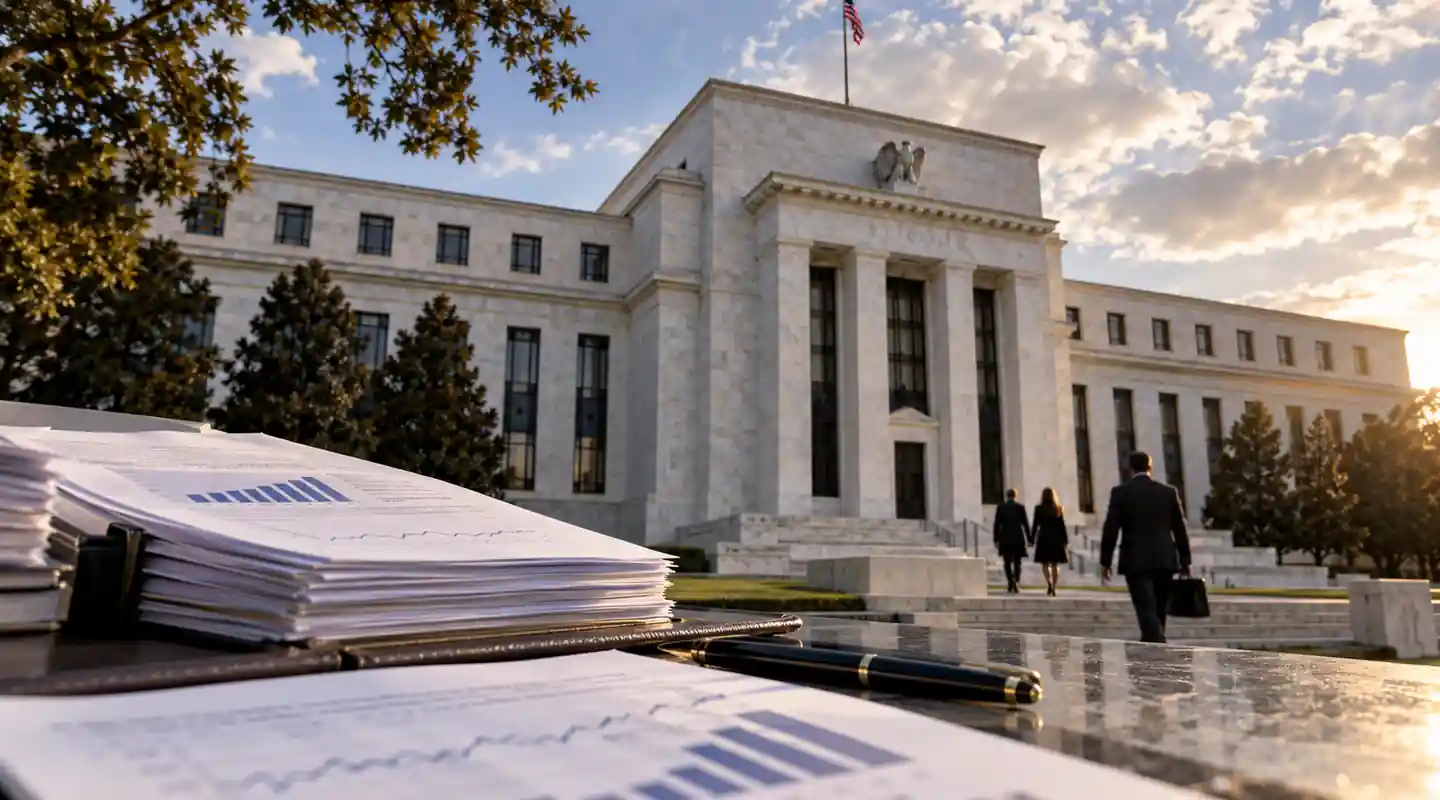

The Federal Reserve is developing a plan that could lift the asset thresholds triggering more intensive supervision, potentially changing compliance obligations for large U.S. banks. The immediate headline is important, but the larger story is how the event changes the operating assumptions around Fed bank supervision thresholds.
What happened
Reuters reported that the Federal Reserve is working on a plan to raise asset thresholds that trigger stricter supervision of large banks. The proposal is still under development and details could change before any final rule.
Why the development matters
Asset thresholds determine when institutions move into more demanding supervisory categories. Raising them could reduce the number of banks subject to certain requirements, while supporters and critics are likely to debate how the change affects efficiency and systemic-risk safeguards.
How the financial transmission works
The second-order effect matters as much as the first move. Changes in yields, spreads or funding costs flow into mortgages, corporate borrowing, project finance, valuations and eventually investment decisions. For investors, the critical question is whether the move remains a market repricing or starts changing real-economy behavior.
The deeper signal
For banks, the economic effect would depend on the exact thresholds and which requirements move with them. Capital planning, liquidity, stress testing and examination intensity can all affect operating costs and merger economics.
Why markets and operators will care
A single announcement rarely changes an industry by itself. What matters is whether it alters cost, capacity, risk allocation or the speed at which competitors must respond. That is why this story is best tracked through measurable follow-through rather than headline momentum. Capital spending, utilization, financing terms, regulatory filings and counterparties' behavior can confirm whether the change is becoming structural.
What to watch next
The important next step is the formal proposal. That document should identify thresholds, affected institutions, implementation timing and the Federal Reserve’s stated rationale, followed by a public-comment process.
Bottom line
The core NexusWild takeaway is not a prediction. It is that Fed bank supervision thresholds now has a clearer set of measurable constraints and catalysts. The next update should be judged against those indicators, with new claims separated from confirmed data.
Reader questions
Frequently asked questions
What happened in the Fed bank supervision thresholds story?
Reuters reported that the Federal Reserve is working on a plan to raise asset thresholds that trigger stricter supervision of large banks. The proposal is still under development and details could change before any final rule.
Why does this development matter?
Asset thresholds determine when institutions move into more demanding supervisory categories. Raising them could reduce the number of banks subject to certain requirements, while supporters and critics are likely to debate how the change affects efficiency and systemic-risk safeguards.
What is the key technical or financial issue?
For banks, the economic effect would depend on the exact thresholds and which requirements move with them. Capital planning, liquidity, stress testing and examination intensity can all affect operating costs and merger economics.
What should readers monitor next?
The important next step is the formal proposal. That document should identify thresholds, affected institutions, implementation timing and the Federal Reserve’s stated rationale, followed by a public-comment process.
Nexuswild welcomes factual corrections. Email [email protected] with evidence and the article URL.