
Global oil prices declined sharply on Monday, November 2, as renewed diplomatic efforts involving Iran and Qatar raised expectations that the conflict affecting the Middle East energy market could move towards a negotiated resolution. The prospect of reduced military tensions has encouraged traders to reassess the risk of further disruptions to crude production and international shipments.
The decline followed a period of strong gains during October, when concerns about the US-Iran conflict, tanker attacks and the security of critical energy infrastructure pushed crude benchmarks to their highest levels in several months. With diplomatic discussions continuing, investors began reducing some of the geopolitical risk premium previously built into oil prices.
Brent crude futures fell approximately 4.2% to $108.64 per barrel by 10:20 GMT on November 2, while US West Texas Intermediate (WTI) crude declined around 4.2% to $99.71 per barrel, according to market reporting. These were intraday prices rather than final settlement levels.
The movement reflects how sensitive energy markets have become to developments in the Middle East. Even without a confirmed peace agreement or an immediate restoration of disrupted shipments, the possibility of diplomatic progress can influence trading decisions.
However, the decline does not mean that global oil supply conditions have returned to normal. Shipping security, production capacity and the future of negotiations remain major uncertainties. The market is therefore balancing optimism about diplomacy against the possibility of renewed escalation.
Diplomatic Discussions Change Market Expectations
The latest decline in oil prices followed discussions between Iranian and Qatari officials aimed at exploring a possible agreement to end the US-Israeli war involving Iran.
Qatar has played a mediating role in efforts to reduce tensions. Iranian negotiators participated in discussions in Doha before leaving the talks on Sunday. An official familiar with the discussions said their departure was not the result of difficulties in the negotiations. A draft proposal was reportedly circulating, with the possibility of another meeting to continue consultations.
Iranian Foreign Minister Abbas Araqchi said the discussions with Qatari mediators were ongoing and progressing. He also indicated that Tehran remained prepared for both defence and diplomacy.
The distinction between mediation and direct negotiations is important. The discussions do not amount to a confirmed agreement between Washington and Tehran, and major differences remain unresolved.
Nevertheless, oil traders responded positively to the possibility that diplomatic engagement could prevent another escalation. The absence of a major military confrontation over the weekend also helped reduce immediate concerns about additional damage to energy infrastructure.
For the oil market, the potential consequences of a diplomatic breakthrough are significant. Reduced tensions could improve shipping confidence, lower insurance costs and create conditions for more reliable energy exports from the region.
Even the expectation of such improvements can influence futures prices before physical supply changes.
Strait of Hormuz Remains the Biggest Supply Concern
The Strait of Hormuz continues to be one of the most important factors influencing the global oil outlook.
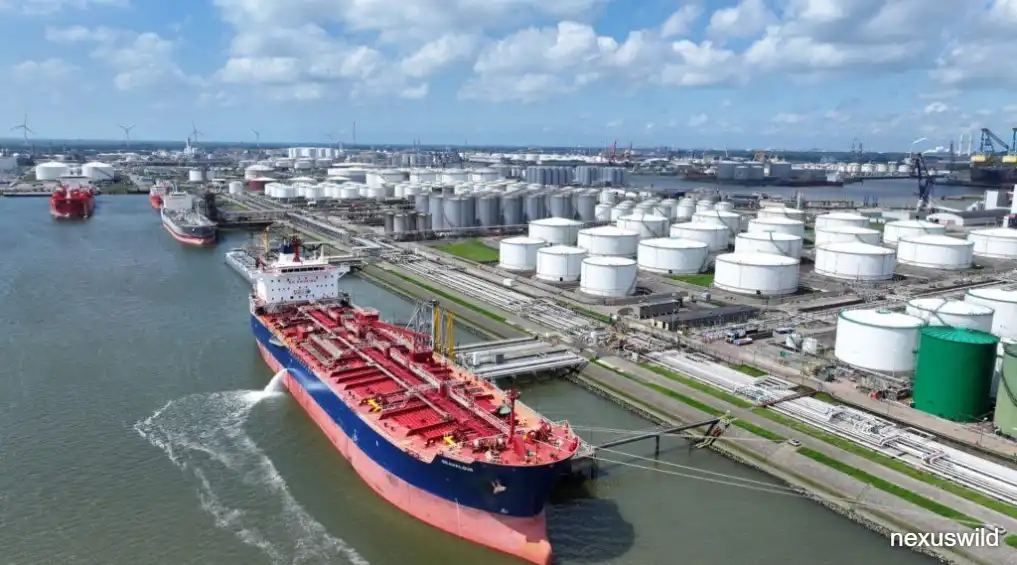
Located between Iran and Oman, the narrow waterway connects major Gulf oil-producing countries with international markets. It is a critical route for crude oil and petroleum product shipments travelling towards buyers in Asia and other regions.
Any disruption to traffic through the strait can affect the availability, cost and delivery schedules of energy supplies. Tanker operators, insurers and commodity traders closely monitor security developments because uncertainty over the route can quickly translate into higher transportation costs and market volatility.
The recent conflict has intensified concerns about tanker safety and the reliability of shipments. Attacks involving vessels transiting the region have added pressure to an already uncertain energy environment.
A diplomatic agreement that improves security could help restore confidence among shipping companies. Tankers might operate with fewer restrictions, insurers could reassess the additional risk premiums charged for regional voyages, and importers could gain greater confidence in delivery schedules.
However, a political announcement alone would not immediately resolve every logistical problem.
Shipping companies would need credible security assurances before returning to normal operations. Insurers would assess whether the risk of attacks had genuinely declined, while port operators and energy exporters would need to confirm that infrastructure and loading facilities could operate reliably.
The difference between reopening a shipping route politically and restoring normal commercial activity could therefore be substantial.
October's Price Rally Shows How Much Risk Was Already Built In
Monday's decline followed a strong month for crude oil.
Brent crude recorded a gain of approximately 13.6% during October, while WTI increased around 15.2%, according to market data cited in November 2 reporting. Brent ended the month at its highest level in six months.
The increase reflected concerns that the conflict could intensify and create additional disruptions to production, transportation and regional energy infrastructure.
The possibility of attacks on tankers and energy facilities increased uncertainty about how much oil could reliably reach international buyers. Traders responded by incorporating a higher geopolitical risk premium into prices.
A risk premium is the additional amount investors are willing to pay because they believe a commodity could become less available or more difficult to transport.
When the possibility of disruption increases, buyers may secure supplies earlier, refiners may compete more aggressively for available cargoes and traders may purchase futures contracts in anticipation of higher prices.
When diplomatic developments reduce the perceived probability of disruption, part of that premium can disappear.
This helps explain why crude prices can fall even when the physical supply situation has not yet improved. Financial markets often react to expectations about future conditions rather than waiting for changes in actual production and shipments.
The latest decline therefore represents a reassessment of immediate risk, not proof that the energy market has returned to normal.
Supply Losses and Falling Inventories Keep the Market Vulnerable
Although diplomatic optimism has reduced some immediate pressure, the global oil market continues to face concerns about lost supply and depleted inventories.
The conflict and shipping disruptions have affected the movement of crude through the Gulf. Abu Dhabi National Oil Company chief executive Sultan Ahmed Al Jaber has said that nearly one billion barrels have been drawn from global oil inventories since the war disrupted shipping through the Strait of Hormuz.
The figure highlights the scale of the supply challenge, although inventory estimates depend on the period and measurement used.
Inventories act as a buffer when production or transportation is disrupted. Countries and commercial operators can release stored oil to meet demand while waiting for shipments or production to recover.
However, drawing down inventories for an extended period reduces the protection available if another disruption occurs.
This creates a difficult situation for refiners and importing countries. Even if diplomatic progress reduces the risk of future attacks, the market may still need time to rebuild inventories and restore normal supply patterns.
A successful agreement could improve expectations, but the actual recovery would depend on the speed at which production, exports and transportation return to reliable levels.
Saudi Arabia's Exports Offer a Mixed Supply Signal
Developments in Saudi Arabia also illustrate the complexity of the current supply situation.
Despite attacks on energy infrastructure by Iran-aligned Houthi forces in Yemen, Saudi crude exports increased in October compared with September, according to estimates from two of three ship-tracking companies cited in November 2 reporting.
This suggests that some major exporters have been able to maintain or increase shipments despite regional security challenges.
However, stronger exports from one producer do not necessarily compensate for wider supply disruptions. The overall market depends on the combined output of producing countries, export infrastructure, shipping availability and the ability of buyers to receive cargoes.
Saudi Arabia's export performance is therefore an important indicator, but it should not be interpreted as evidence that the broader regional supply problem has been resolved.
For energy markets, the next question is whether exporters can maintain reliable shipments if diplomatic negotiations fail or military activity increases again.
OPEC+ Keeps December Production Targets Unchanged
The Organisation of the Petroleum Exporting Countries and its allies, collectively known as OPEC+, have also influenced expectations about future supply.
The group kept its December production targets unchanged at its latest meeting on November 1. The decision was broadly in line with market expectations and indicated that members were not introducing another immediate adjustment to their production plans.
OPEC+ decisions are closely watched because the group represents a significant share of global oil production. Changes in its output policy can influence expectations about the availability of crude and the direction of prices.
However, production targets and actual exports are not always the same. Geopolitical disruptions, infrastructure damage, shipping restrictions and operational limitations can prevent producers from delivering their planned volumes.
In the current environment, the group's unchanged December targets provide limited additional reassurance to buyers concerned about immediate supply availability.
The next major influence may come from whether regional conditions improve enough for existing production and export capacity to operate more consistently.
Why the Price Decline Matters for the Global Economy
Oil prices influence a wide range of economic activities because crude is a major input for transportation, manufacturing, electricity generation, petrochemicals and other industrial processes.
When oil prices remain elevated, businesses can face higher fuel, freight and production expenses. Airlines, logistics operators, shipping companies and manufacturers may experience pressure on operating margins.
These costs can eventually be passed on to customers through higher prices for goods and services.
A sustained decline in crude prices could ease some of this pressure. Lower energy costs may improve the financial position of businesses that rely heavily on fuel and transportation, while reducing some inflationary pressure for importing economies.
However, the economic impact depends on whether the decline lasts.
A one-day movement in futures prices is not enough to guarantee lower fuel costs for businesses or consumers. Physical contracts, refining margins, exchange rates, taxes and distribution expenses also influence the prices paid in individual markets.
For central banks, energy prices remain an important factor in assessing inflation risks. A sustained reduction in oil prices could provide additional room for policymakers if broader inflation pressures also moderate.
Conversely, a renewed escalation could reverse the decline and create fresh uncertainty for monetary policy and economic growth.
India Watches Crude Prices Closely
India is particularly sensitive to international oil price movements because it relies heavily on imported crude to meet domestic energy requirements.
When international prices rise, the cost of importing oil can increase, putting pressure on the country's import bill and potentially affecting the current account balance.
Higher crude prices can also influence domestic fuel pricing, transportation expenses, industrial costs and inflation expectations.
A sustained reduction in global prices could therefore provide some relief to Indian refiners and the wider economy.
However, the benefits would not necessarily appear immediately at petrol pumps. Domestic retail prices depend on several factors, including the rupee's exchange rate against the US dollar, refining costs, taxes and pricing decisions by fuel retailers.
India also needs to consider the reliability of its supply routes. A significant share of global energy trade moves through the Middle East, making regional stability important for Indian energy security.
For Indian businesses, the most useful signal would be a sustained improvement in crude availability and shipping conditions rather than a temporary fall in international futures prices.
If diplomatic progress continues and regional exports become more predictable, the country could face fewer immediate risks from energy market volatility.
Goldman Sachs Warns That Supply Risks Have Not Disappeared
Despite the latest price decline, some financial institutions continue to warn that the oil market faces significant upside risks.
Goldman Sachs raised its oil price forecasts because of continuing concerns about Gulf supply disruptions. The bank said Brent crude could reach $140 per barrel in 2027 if Gulf oil output remains 3.5 million barrels per day below its 2025 average.
This is a conditional projection rather than a prediction that prices will necessarily reach that level.
The bank identified intensified attacks on shipping, damage to energy infrastructure and a more persistent geopolitical risk premium as important factors that could push prices higher.
The warning illustrates the difference between short-term market sentiment and longer-term supply fundamentals.
Diplomatic progress can reduce the immediate probability of escalation, but the market still needs evidence that production and shipping can recover.
If negotiations fail, attacks continue or infrastructure damage becomes more serious, traders could again increase their estimates of future supply shortages.
This means the recent decline should be viewed alongside the remaining risks rather than as a definitive turning point for the energy market.
What Happens Next?
The direction of oil prices will depend on several developments over the coming days and weeks.
Progress in diplomatic negotiations: Investors will monitor whether Qatar-led discussions produce a formal proposal, further meetings or a credible path towards reducing hostilities. Without meaningful progress, market optimism could fade.
Security in the Strait of Hormuz: Tanker movements, shipping insurance costs and the safety of commercial vessels will provide important evidence of whether the region is becoming more stable.
Actual oil exports: Market participants will examine whether major Gulf producers can maintain shipments and whether disrupted supply volumes begin returning to international markets.
Inventory levels: The pace at which commercial and strategic inventories are replenished will help determine how resilient the market is to further disruptions.
OPEC+ production decisions: Future output adjustments could influence the balance between global supply and demand, particularly if regional exports remain constrained.
Investors will also monitor developments in the United States, including the political environment surrounding the conflict. Changes in diplomatic or military policy could quickly affect expectations about the future availability of Gulf oil.
Diplomacy Offers Relief, but the Oil Market Still Faces Uncertainty
The fall in global oil prices on November 2 demonstrates the influence of diplomacy on commodity markets. The possibility of reducing tensions between Iran and the United States has encouraged traders to remove some of the geopolitical premium that pushed prices higher during October.
However, the decline does not eliminate the underlying challenges facing the energy industry. The security of the Strait of Hormuz, the condition of regional infrastructure, depleted inventories and the future of negotiations remain critical variables.
For importing countries such as India, sustained lower prices could ease pressure on trade balances, fuel costs and inflation. For energy companies, the priority will be restoring predictable production and export operations.
The next stage will depend on whether diplomatic discussions translate into measurable improvements in security and physical oil flows.
Until that happens, the market is likely to remain sensitive to political announcements, shipping developments and any indication that the conflict could intensify again.
The central question is no longer simply whether oil prices can fall. It is whether diplomacy can create the conditions needed for a lasting recovery in global energy supply.
Nexuswild welcomes factual corrections. Email contact@nexuswild.com with evidence and the article URL.