
Air travel companies are now dealing with harder times because the cost of energy is changing a lot. This is a problem because one of the biggest costs for airlines is the fuel they use to fly planes.
Airlines have to manage different costs at the same time. These costs include fuel, renting planes fixing them paying airports, workers and insurance.. The cost of fuel is especially sensitive to what is happening in the world. This is because the price of fuel depends on oil markets how much oil is being made, how it is moved and political events.
The energy market problems in 2026 have made these issues worse. When there was a conflict involving Iran and problems near the Strait of Hormuz it made it harder to move oil and other fuel products. This led to uncertainty for industries that need fuel, including international airlines.
According to the International Air Transport Associations report from June 2026 the price of fuel has gone up a lot. The average fuel price could go up to $152 per barrel in 2026 compared with about $90 in 2025.
This rise in fuel costs is causing stress on airline budgets. Airlines are having to look at how they set ticket prices how they buy fuel when they fly and what investments they make. They also have to keep trying to keep people wanting to fly.
The problem is that airlines can't always pass all of the fuel costs to customers. Higher prices for tickets could help keep money coming in. They might also make people not want to travel. This is especially true in places where there are airlines and other options for travel.
Because of this the changing prices of energy are becoming very important for airline profits. How they plan their routes around the world.
Conflict Causes Problems With Fuel Supply and Prices
The Strait of Hormuz is now a problem for the energy issues that affect air travel.
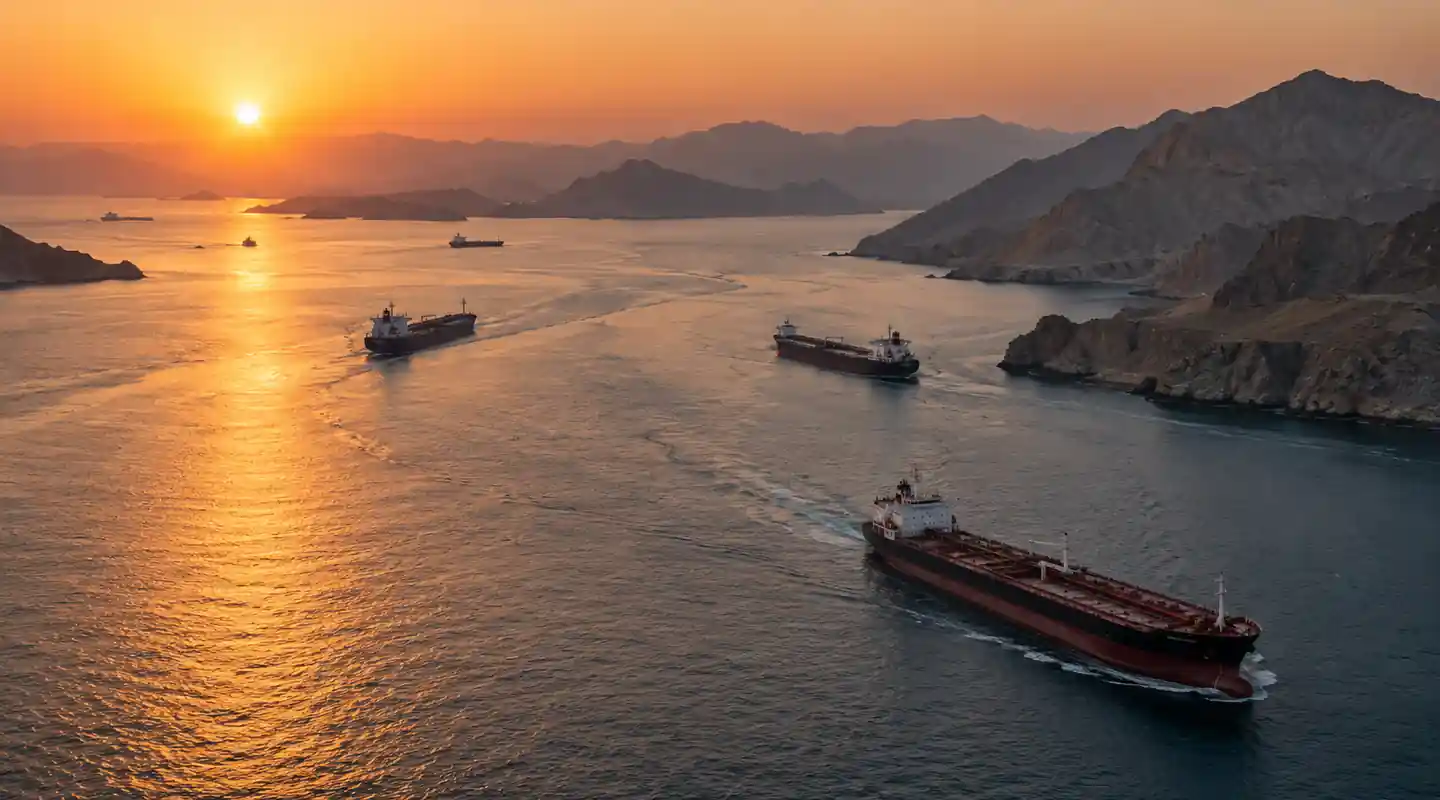
This place connects the Persian Gulf with shipping routes and is important for moving oil and gas around the world. When there was a conflict on February 28 2026 it made it hard to move energy supplies. Caused problems in international markets.
This has been especially bad for the fuel that planes use.
IATA said that normally about 470,000 barrels of fuel a day go through the Strait of Hormuz. This is 23% of all the fuel that is exported around the world.
Europe is really affected by this because a lot of the fuel it uses comes from the Gulf area. IATA said that before the problem 40% of the fuel Europe used came from the Gulf region.
Less fuel available means competition between buyers and higher costs for moving and getting fuel.
The problem is not about not having enough oil. Fuel has to be made by refining and refineries can't always make fuel quickly enough to replace what is not available.
The difference between the price of oil and the price of fuel known as the crack spread is now a part of airline fuel costs. A higher crack spread means airlines can have fuel costs even if the oil prices don't go up the same way.
IATA said that the crack spread for fuel was $80 per barrel in April 2026 which was a high level at the time.
This explains why airlines have had increases in costs beyond just the price of oil.
More Money Spent On Fuel is Making Airlines Less Profitable
Fuel is one of the parts of what airlines spend money on. When fuel prices go up quickly airlines can lose money unless they can charge more for tickets or spend less on things.
IATA expects fuel to make up about 31.4% of airline costs in 2026 compared to 25.4% in 2025.
The association thinks that the total amount of fuel used will stay about the same at around 104 billion gallons. This means the higher costs are mostly because of prices not because more fuel is being used.
The money problems are shown in IATAs industry predictions.
They expect the total profit for airlines to be about $23 billion in 2026 compared to $45 billion in 2025. The expected profit margin is 2%, which's lower than 4.2% the year before.
Operating profit is also expected to drop from about $76.4 billion in 2025 to $48 billion in 2026.
These numbers show how sensitive airline profits can be when one of their costs goes up quickly.
Even airlines that have lots of people flying may have profits because more of the money from tickets is needed to pay for fuel.
The problem affects airlines in different ways. Big airlines that have money situations lots of routes and good fuel plans may be able to handle the higher costs better.
Smaller airlines and companies with money may have more trouble especially if the higher fuel costs happen at the same time as fewer people flying or if their money is worth less.
So the problem is not about keeping the same number of people flying. Airlines have to make sure that every flight makes money to cover the more expensive things they need to run it.
Airlines Think About New Ways to Deal With Fuel Costs
Fuel hedging has been a way for airlines to deal with uncertainty by locking in fuel prices through special deals.
These deals can help protect airlines from increases in fuel costs by letting them fix a price or get money if prices go up above agreed levels.
Hedging isn't something that always works.
When fuel prices are already high airlines may not want to make deals because they might end up paying a lot for fuel if prices go down later.
This problem has become more clear in the energy issues.
A report from Reuters on October 28 2026 said some airlines are not adding fuel hedges because prices are still much higher than before the conflict.
AirAsia said it is getting ready for a time with high oil prices instead of hoping for a quick drop. Finnair stopped adding hedges because it was getting more expensive to get fuel in the future.
Ryanair is an example of the difference between short-term protection and long-term problems. The airline said it had hedged 80% of its fuel needs for the year ending March 2027 at around $67 per barrel. However it warned that its fuel costs could go up a lot as the old deals end.
Hedging strategies are also different in parts of the world. Airlines in Europe and Asia have used fuel hedging more than US airlines. Some big US airlines don't have hedging.
This means the competition isn't the same for all airlines. Airlines with existing deals might benefit from lower fuel costs for a while while others face more risk from the current prices.
So hedging only helps a little. Airlines may hedge the price of oil of the exact price of fuel leaving them open to higher costs when oil makes it harder to get fuel.
Expensive Tickets Make It Harder for Travelers
Airlines are changing ticket prices and adding fees to try to get back some of the extra money they are spending.
When fuel becomes more expensive airlines can raise the base price of tickets add fuel fees or change travel fees.
It isn't always easy to pass these costs to customers.
Airlines have to think about what other airlinesre charging, how much money people have and the chance that travelers might wait to travel or choose cheaper places to go.
The pressure is already happening in ticket markets. Reuters said on October 28 that airfares in the European Union were up 5.8% compared to the time in 2026 while US airfares were over 20% higher in the same period.
These numbers show price changes and shouldn't be all because of fuel.. Higher fuel costs have added to the pressure on airline prices.
In India, Air India and Air India Express raised fuel fees on October 8 saying that fuel prices were still going up. The new fees for one-way trips ranged from ₹400 to ₹1,200 depending on how far the flight was.
For trips the new fees were $135 for Europe and the UK $215 for North America $210 for Australia and $55 for West Asia and the Middle East.
The changes started on October 9 2026.
This shows how changes in the energy market can affect the prices that travelers actually pay, even if airlines don't change their prices the same way.
Airlines Change Their Routes and Flights to Keep Making Money
Higher fuel prices are making airlines decide which flights to run and how often they serve places.
Some routes might still be good for business even if fuel costs go up. Others might not be as profitable if people don't want to fly there as much.
Airlines are checking how much they can offer and focusing on routes that can bring in money.
Ryanairs first-half results for FY2027 show this. The airline lowered its full-year passenger goal from 216 million to 214 million. It said that the winter schedule would keep the number of travelers about the same as the year as part of its plan to deal with higher fuel costs that aren't protected by hedges.
The company is also looking at costs, airport fees and how much planes are used while planning more growth with new Boeing 737 MAX 10 planes coming in spring 2027.
Ryanair has said that higher fuel costs could add about €2 billion to its fuel bill for FY2028 based on prices even after expected increases in ticket prices.
Lufthansa is also making changes to its flights to deal with costs.
Reducing the number of flights doesn't always mean an airline is leaving a place forever. In cases they are moving planes to routes that have more demand, better ticket prices or better conditions to work with.
This strategy can help keep profits up. It might mean fewer seats are available and more money for tickets, on routes where there is less competition.
For passengers this could mean convenient flight options or more expensive tickets when there is a lot of people traveling.
Currency Movements Create Different Challenges Across Regions
Airlines do not feel the changes in global fuel prices.
Jet fuel is mostly priced in US dollars while airlines get money in different currencies. Changes in exchange rates can therefore make the local-currency cost of fuel go up or down.
An airline that makes most of its money in a currency that gets weaker compared to the US dollar might have problems even if international fuel prices stay the same.
IATAs analysis published on August 28 2026 showed differences in how the fuel shock affected different areas.
From April 2025 to April 2026 jet fuel prices went up about 121% around the world.. In some countries the increase in local currency was much higher.
Japan saw a 173% increase in local-currency jet fuel costs. India had about a 170% increase.
In both cases local fuel-price increases were made worse by changes in currency.
In comparison the Brazilian real and Mexican peso got stronger against the US dollar during that time which helped keep the local-currency increase in fuel costs to about 86% in those places.
The euros strength also helped reduce the increase for airlines in the euro area.
This means financial situations for different airlines. Two airlines might pay international fuel prices but have different actual costs because of currency changes, local supply situations and regional fuel costs.
For airlines that fly over the world managing exchange rates has become a big part of planning for fuel costs.
Energy Volatility Also Affects Airline Operations and Cargo Networks
The effect of energy-market problems is not about the price of fuel that airlines buy.
Tensions in parts of the world and rules about flying in certain areas can force some airlines to change their flight paths. Longer flights can use fuel take more time for the crew and affect how planes are scheduled.
This can create a chain reaction across networks.
A plane that arrives late can delay the flight. Longer trips can also mean the plane can't do many flights in a day which affects how well the whole fleet works.
Air cargo operations have problems. Airlines that move goods in passenger planes or special cargo planes need to think about fuel costs how space they have and changing routes.
IATAs outlook from June 2026 predicted that global air cargo demand would grow by 0.7% during the year showing weaker trade and problems in Middle East connections.
Cargo companies might get money when there is less space but higher fuel costs can take some of that extra money.
This shows why airlines need to think about energy security and how reliable their networksre along with just the price of fuel when they plan flights.
##Airlines Explore Fuel. Alternative Energy Solutions
The current energy problems are also making airlines more interested in ways to use traditional fuel.
Airlines are looking at how efficient their planesre better ways to plan flights making planes lighter improving engine performance and using technology to use less fuel.
Newer planes are usually better at saving fuel than ones but delays in getting new planes and problems in getting parts have made it hard for some airlines to update their planes quickly.
Airlines are using data systems to plan flight paths make better use of planes and find ways to save fuel that isn't needed.
Sustainable aviation fuel (SAF) is another way to use fuel that comes from fossil fuels.
Saf is still not made in big amounts and it usually costs more than normal jet fuel.
IATA expected SAF production to be around 2.4 million tonnes in 2026 which is 0.8% of all fuel used.
This shows the gap between what the airline industry wants to do in the term and what is actually available now.
Making SAF will need money for renewable energy things to make it places to make it and ways to get it to where it is needed.
So the industry can't rely on SAF to fix the money problems from the energy problems.
In the term better fuel management, newer planes, better operations and planning routes more carefully are still important ways to keep costs down.
What Happens Next for International Airlines?
The future for airlines will depend a lot on what happens with energy markets and politics around the world.
If there is oil coming through the Strait of Hormuz that could help some pressure on oil and refined products.. Problems with making fuel how much it costs to get it and how much is available might stop fuel prices from going back down quickly.
Airlines will also need to deal with fuel contracts that end. Some airlines might have to pay more if fuel prices stay high in 2027.
Ticket prices will still be important. Airlines may raise prices a little. Add some extra fees but customers might not let them raise prices too much.
Larger airlines may be in a position to handle short-term problems. Smaller airlines could have issues if high fuel prices happen when their money is weak they have loans and fewer people want to fly.
Investors will watch how much money airlines spend on fuel how cash they have how well they use planes, how much money each route makes and how protected they are from fuel price changes when they look at how airlines are doing.
Energy market problems are making it hard for international airlines to run. Problems with politics less fuel coming in and changes in money have made it cost more to keep planes in the air, which is putting pressure on profits across the industry.
Airlines are trying things like protecting against fuel price changes changing prices adding fees looking at routes and making planes more efficient.. These steps only help so much when fuel prices stay high and people are more careful about spending on travel.
The money picture also shows how fragile the industry is. IATA expects airline profits to drop to about $23 billion in 2026 with the profit rate falling to 2%.
How well international airlines do in the future will depend not on how many people want to fly but also on how well they manage their fuel costs keep their expenses low and adjust to changing energy markets.
As problems with politics and getting parts continue airlines, with money, efficient planes and careful spending may be better ready to deal with the next time things get unstable.
Nexuswild welcomes factual corrections. Email contact@nexuswild.com with evidence and the article URL.