
State-run iron ore producer NMDC Limited has set a target to achieve net zero operational emissions by 2047, the company said in a statement, outlining a phased roadmap built around renewable energy, electrification and other low-carbon measures. The commitment covers Scope 1 and Scope 2 emissions, meaning those arising directly from fuel consumption at its operations and indirectly from the electricity it purchases and uses.
What the Target Covers
NMDC's roadmap sets an overall goal of at least a 90 percent reduction in operational emissions, with the company saying any remaining emissions would be addressed through offsetting measures as the plan progresses. The target does not, based on the company's own statement, extend to Scope 3 emissions, which would include indirect emissions from sources such as customers' use of NMDC's iron ore or its wider supply chain.
The company said it would pursue the target through six core strategies: energy efficiency, renewable energy integration, electrification of its vehicle and equipment fleet, adoption of low-carbon fuels, carbon capture, utilisation and storage (CCUS), and demand-side management.
A Phased, Multi-Decade Roadmap
NMDC has structured its transition into three phases spanning more than two decades. The short-term phase runs from the current 2025-26 fiscal year (FY26) through FY30, followed by a medium-term phase from FY30 to FY40, and a long-term phase from FY40 through FY47.
According to the company, the initial phase will focus on energy efficiency improvements, renewable energy adoption and electrification, while deeper decarbonisation measures and emerging technologies, including CCUS, are expected to be introduced in the later phases as those technologies mature.
Current Clean-Energy Initiatives
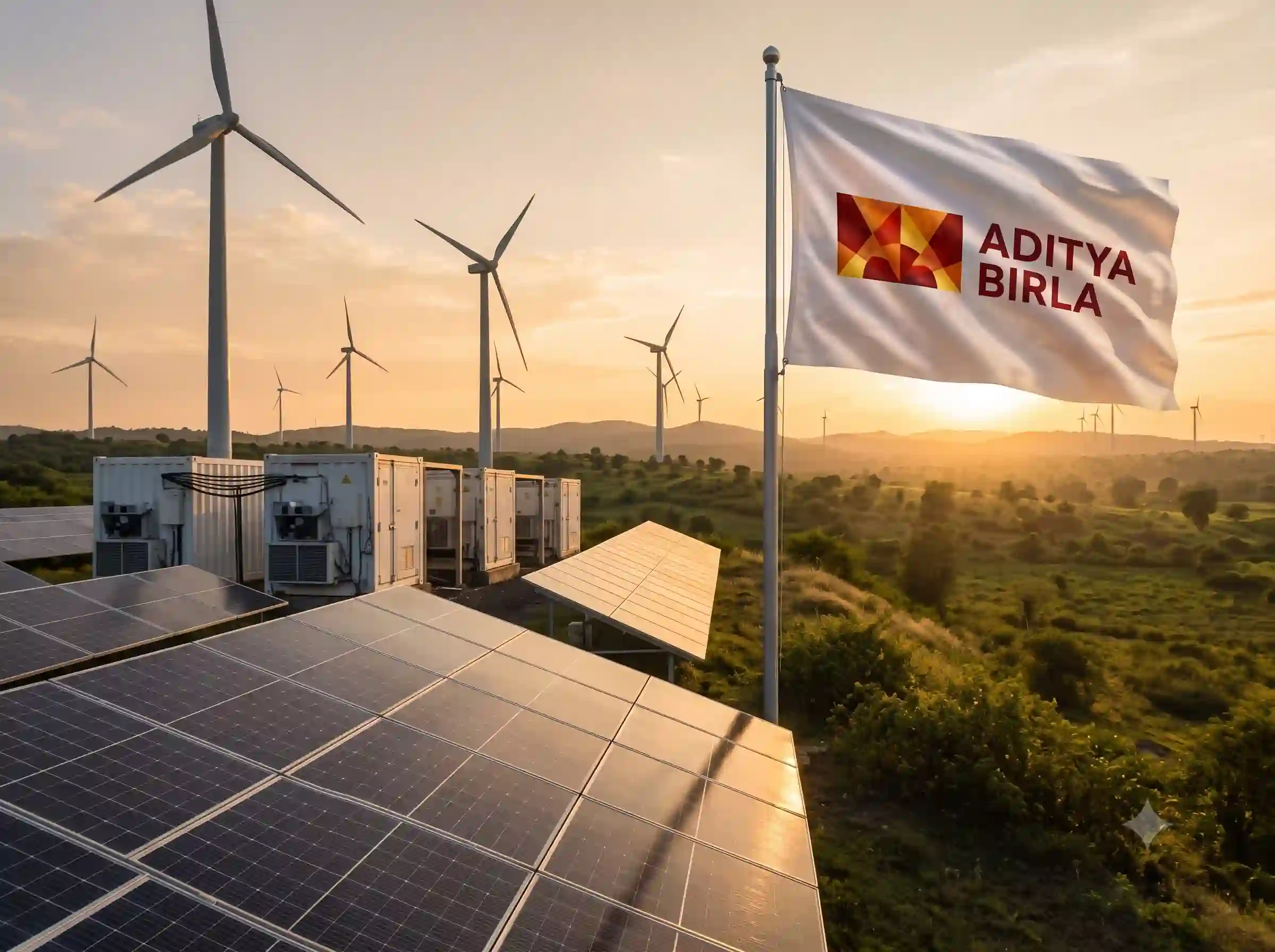
NMDC has already put some renewable energy infrastructure in place. The company operates a 10.5 MW wind energy facility at Chitradurga in Karnataka and has installed solar power systems across several of its mining sites, according to the company's statement. These existing installations form part of the base the company intends to scale up as it works toward its 2047 target.
Beyond direct power generation, NMDC's plans also touch on logistics and transport infrastructure, which the company says will contribute to its broader decarbonisation effort even though rail and pipeline transport fall outside the strict Scope 1 and Scope 2 boundary of the net zero target itself. The company is developing a slurry pipeline project, which it expects to reduce the carbon intensity of mineral transportation by cutting reliance on conventional road haulage. NMDC also plans to increase the share of iron ore moved by rail freight, supported by the doubling of railway lines and other supply infrastructure being developed around its operations.
NMDC's Position in India's Mining Sector
NMDC is India's largest iron ore producer and operates as a state-run public sector undertaking. As one of the country's major mining companies, its decarbonisation roadmap is significant both for the scale of its own operations and for the signal it sends to a heavy-industry sector that has historically been a large source of India's industrial emissions.
NMDC's 2047 target follows a pattern of other Indian state-run companies setting their own net zero operational goals. GAIL (India) Ltd, the country's top gas distributor, set a target in 2022 to reach net zero carbon emissions from its own operations by 2040, according to its chairman at the time. These company-level targets sit within India's broader national commitment to reach economy-wide net zero emissions by 2070, a goal announced by the Indian government as part of the country's climate commitments.
Key Challenges Ahead
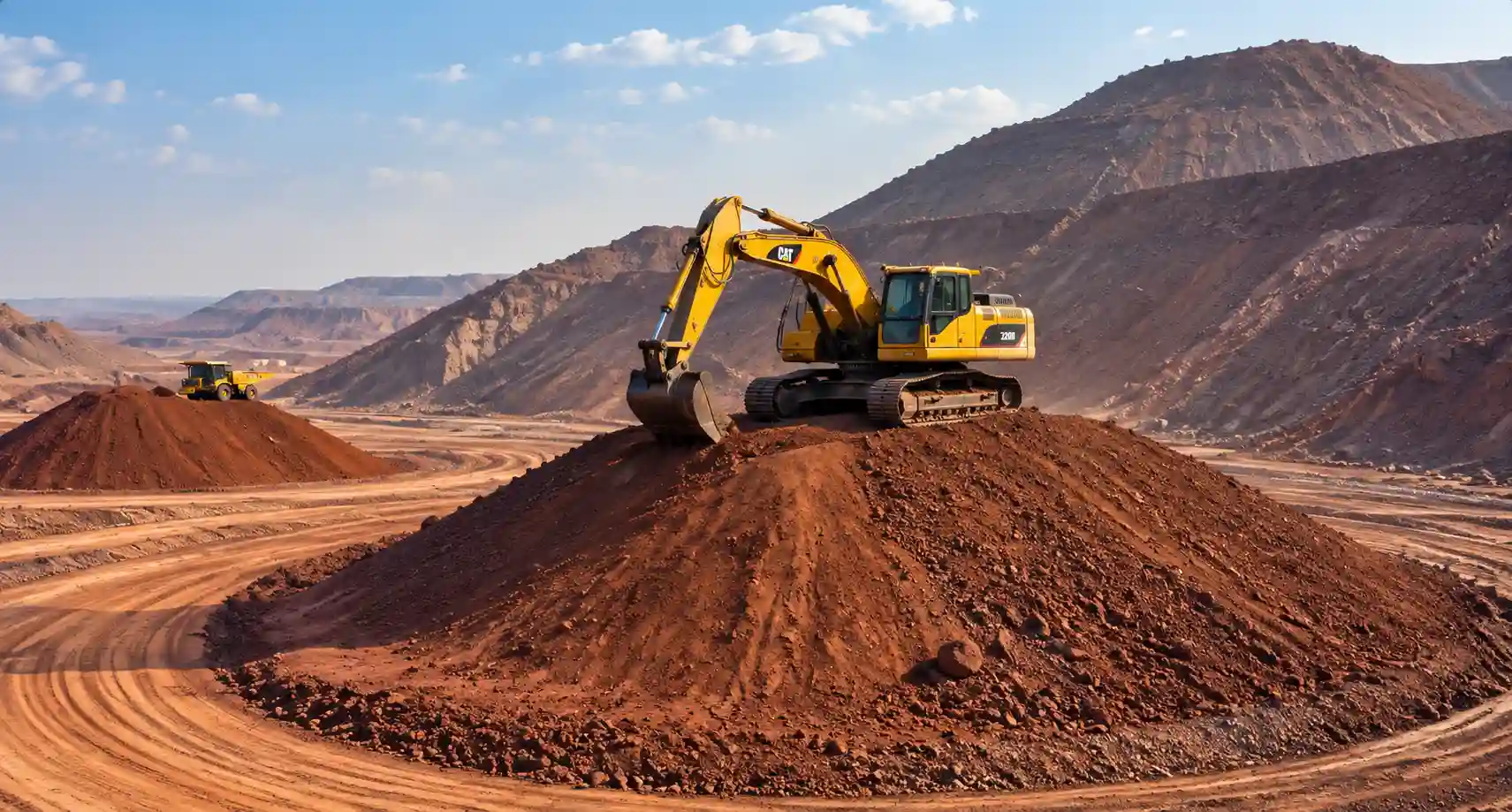
Reducing emissions from mining operations presents specific, well-documented difficulties that NMDC's roadmap will need to navigate. Heavy mining and haulage equipment is energy-intensive and, in many cases, still reliant on diesel and other fossil fuels, since fully electrified alternatives for large-scale earth-moving and ore-hauling machinery remain less mature and more costly than for lighter vehicle fleets. Renewable energy integration at remote mining sites can also be constrained by grid access and land availability. Carbon capture, utilisation and storage, one of the six strategies NMDC has named for its later-phase decarbonisation, remains an emerging technology globally, with deployment at industrial scale still limited and costly.
The company's own phased approach reflects an acknowledgment of these constraints, front-loading more established measures such as energy efficiency and renewable power in its near-term phase while pushing costlier or less mature technologies, including CCUS, into the later stages of its roadmap through 2047.
NMDC has not disclosed, in the statements reviewed for this article, specific baseline emissions figures, year-by-year reduction targets, or the capital expenditure associated with the full roadmap. As with any long-dated corporate net zero commitment, the ultimate impact of the target will depend on how consistently the company executes each phase of its plan over the coming two decades.
Further reading and useful links
Reader questions
Frequently asked questions
What is NMDC's net zero target?
NMDC aims to achieve net zero operational emissions (Scope 1 and Scope 2) by 2047, with a minimum 90% reduction in direct operational emissions.
What emissions are covered by NMDC's 2047 target?
The target covers Scope 1 and Scope 2 emissions, which arise directly from fuel consumption at its operations and indirectly from the electricity it purchases and uses.
How will NMDC achieve its decarbonisation goals?
The company will use six core strategies: energy efficiency, renewable energy integration, electrification of its fleet, adoption of low-carbon fuels, carbon capture, utilisation and storage (CCUS), and demand-side management.
What are the phases of NMDC's roadmap?
The roadmap is divided into three phases: short-term (FY26 to FY30), medium-term (FY30 to FY40), and long-term (FY40 to FY47).
Nexuswild welcomes factual corrections. Email [email protected] with evidence and the article URL.