
Novo Nordisk has licensed Nanexa’s PharmaShell platform in a deal worth up to €1.165 billion, targeting monthly or potentially quarterly dosing for peptide medicines. The immediate headline is important, but the larger story is how the event changes the operating assumptions around Novo Nordisk Nanexa deal.
What happened
Nanexa said Novo Nordisk received a global exclusive license to its PharmaShell drug-delivery technology for selected peptide medicines in obesity, type 2 diabetes and other cardiometabolic diseases. The agreement covers up to five programs and total potential consideration of €1.165 billion.
Why the development matters
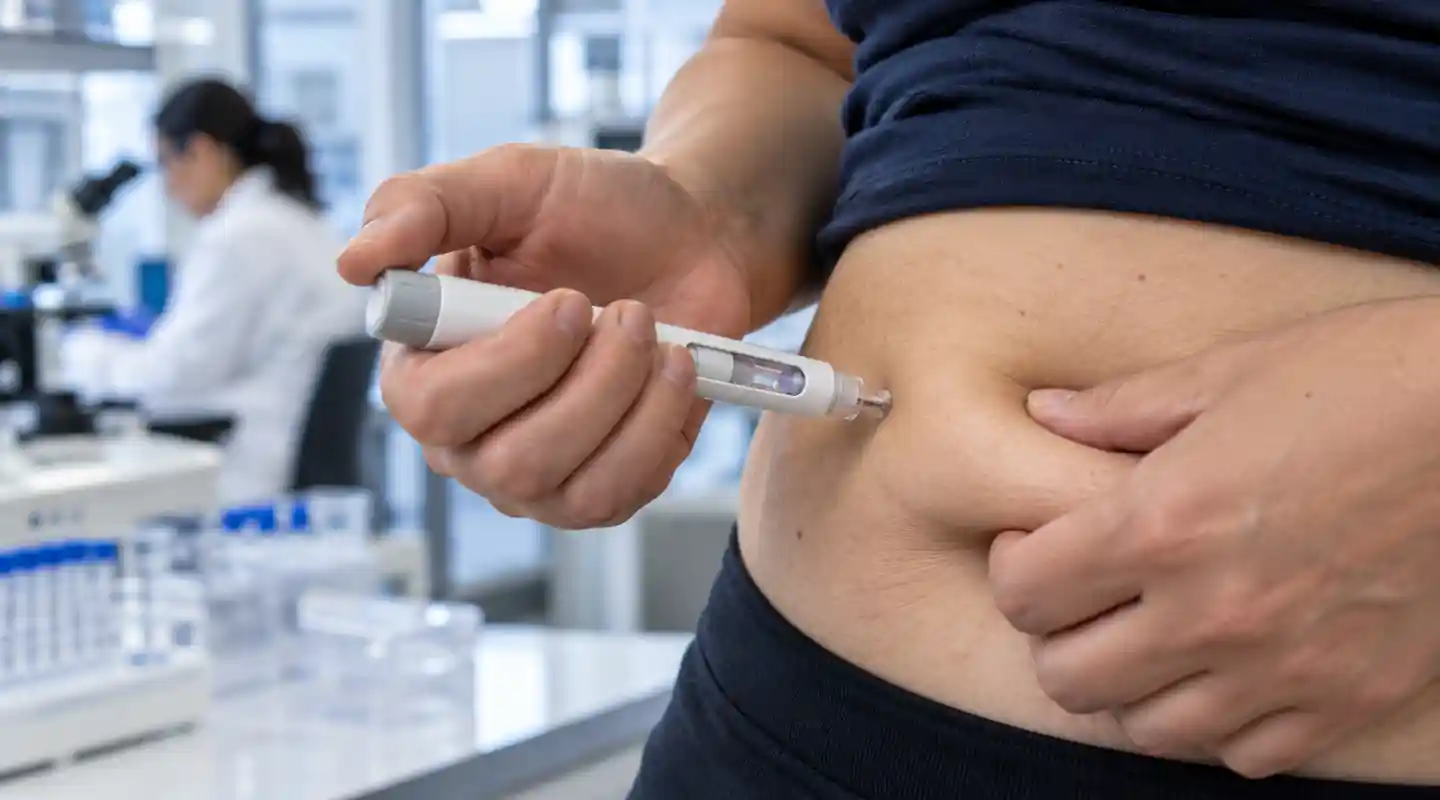
Current injectable GLP-1 treatments often require regular dosing. Extending dosing intervals could change convenience, adherence, manufacturing economics and competition across the fast-growing obesity and diabetes market.
What the headline deal value does not tell you
Biopharma transactions often advertise a maximum value that includes years of contingent milestones. Upfront cash, development responsibility, clinical evidence, regulatory progress and royalties are more informative than the theoretical ceiling. The scientific risk remains until programs generate reproducible human data.
The deeper signal
The deal shows that the next phase of the obesity-drug race is not only about the molecule. Delivery technology can become strategically valuable if it allows an existing therapy to last much longer without compromising safety, exposure or efficacy.
Why markets and operators will care
A single announcement rarely changes an industry by itself. What matters is whether it alters cost, capacity, risk allocation or the speed at which competitors must respond. That is why this story is best tracked through measurable follow-through rather than headline momentum. Capital spending, utilization, financing terms, regulatory filings and counterparties' behavior can confirm whether the change is becoming structural.
What to watch next
The decisive evidence will come from clinical development: pharmacokinetics, tolerability, dose consistency and whether longer intervals maintain outcomes comparable with more frequent injections.
Bottom line
The core NexusWild takeaway is not a prediction. It is that Novo Nordisk Nanexa deal now has a clearer set of measurable constraints and catalysts. The next update should be judged against those indicators, with new claims separated from confirmed data.
Reader questions
Frequently asked questions
What happened in the Novo Nordisk Nanexa deal story?
Nanexa said Novo Nordisk received a global exclusive license to its PharmaShell drug-delivery technology for selected peptide medicines in obesity, type 2 diabetes and other cardiometabolic diseases. The agreement covers up to five programs and total potential consideration of €1.165 billion.
Why does this development matter?
Current injectable GLP-1 treatments often require regular dosing. Extending dosing intervals could change convenience, adherence, manufacturing economics and competition across the fast-growing obesity and diabetes market.
What is the key technical or financial issue?
The deal shows that the next phase of the obesity-drug race is not only about the molecule. Delivery technology can become strategically valuable if it allows an existing therapy to last much longer without compromising safety, exposure or efficacy.
What should readers monitor next?
The decisive evidence will come from clinical development: pharmacokinetics, tolerability, dose consistency and whether longer intervals maintain outcomes comparable with more frequent injections.
Nexuswild welcomes factual corrections. Email [email protected] with evidence and the article URL.