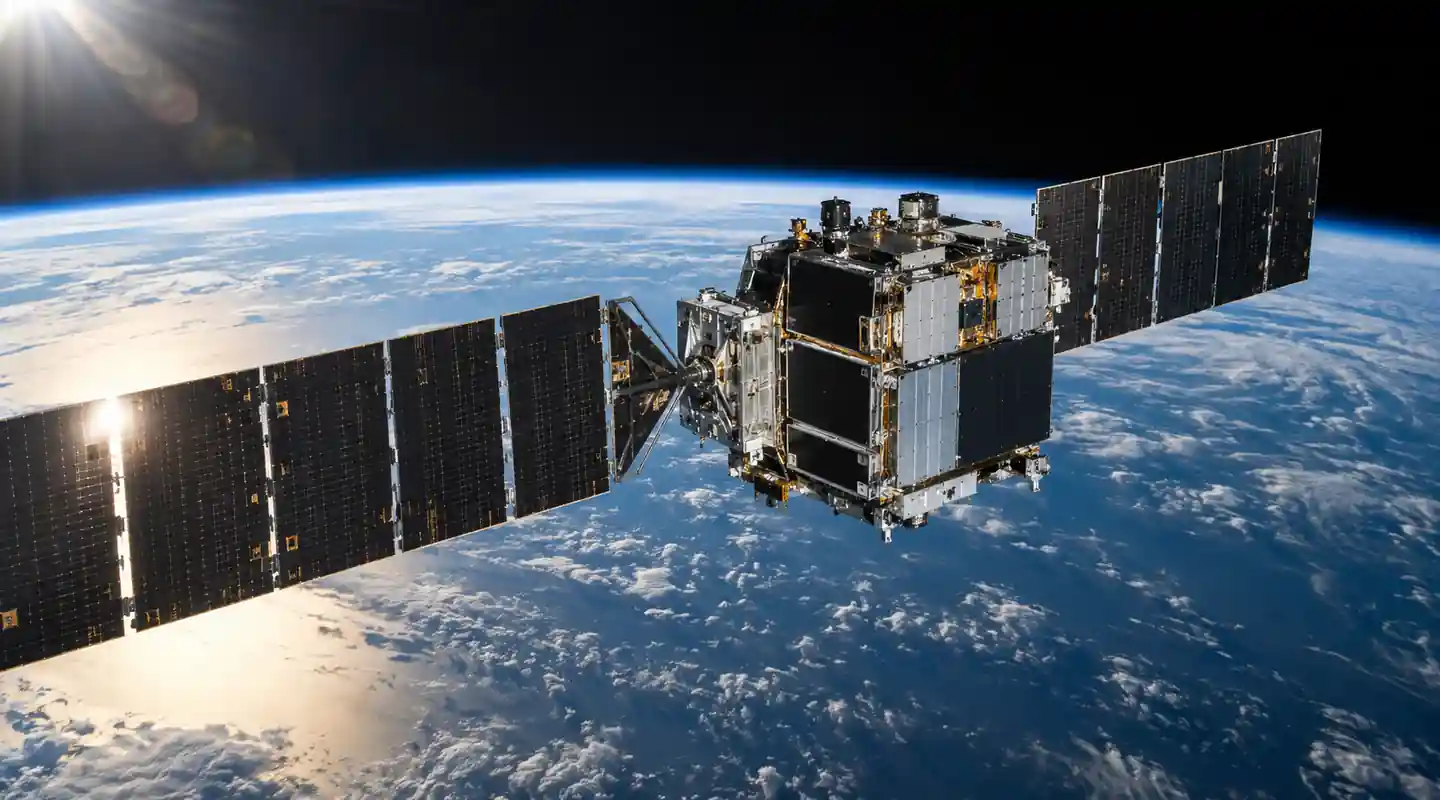

Global private investment in space companies reached $23 billion in the year through June, more than double the prior-year level as capital shifts toward businesses with operating proof. The immediate headline is important, but the larger story is how the event changes the operating assumptions around private space investment 2026.
What happened
A report from Relm Insurance and Seraphim said global private investment in space companies rose to $23 billion in the year through June from $9.7 billion a year earlier.
Why the development matters
The composition of funding matters as much as the total. Investors are increasingly looking for revenue, deployed hardware and repeat customers in areas such as Earth observation, satellite supply chains and services built on orbital data.
From space narrative to operating economics
Space businesses become durable when launch, hardware, insurance, data delivery and recurring customer demand fit into a repeatable operating model. The sector is increasingly being judged on deployed assets and revenue rather than technical ambition alone.
The deeper signal
This signals a more mature capital cycle. Space companies are being compared less with experimental ventures and more with infrastructure, data and industrial businesses. That can improve funding for proven operators while making it harder for concept-stage projects to raise money.
Why markets and operators will care
A single announcement rarely changes an industry by itself. What matters is whether it alters cost, capacity, risk allocation or the speed at which competitors must respond. That is why this story is best tracked through measurable follow-through rather than headline momentum. Capital spending, utilization, financing terms, regulatory filings and counterparties' behavior can confirm whether the change is becoming structural.
What to watch next
Deal counts, late-stage funding, public-market exits and recurring revenue will show whether the increase reflects durable industry economics or a temporary capital surge.
Bottom line
The core NexusWild takeaway is not a prediction. It is that private space investment 2026 now has a clearer set of measurable constraints and catalysts. The next update should be judged against those indicators, with new claims separated from confirmed data.
Reader questions
Frequently asked questions
What happened in the private space investment 2026 story?
A report from Relm Insurance and Seraphim said global private investment in space companies rose to $23 billion in the year through June from $9.7 billion a year earlier.
Why does this development matter?
The composition of funding matters as much as the total. Investors are increasingly looking for revenue, deployed hardware and repeat customers in areas such as Earth observation, satellite supply chains and services built on orbital data.
What is the key technical or financial issue?
This signals a more mature capital cycle. Space companies are being compared less with experimental ventures and more with infrastructure, data and industrial businesses. That can improve funding for proven operators while making it harder for concept-stage projects to raise money.
What should readers monitor next?
Deal counts, late-stage funding, public-market exits and recurring revenue will show whether the increase reflects durable industry economics or a temporary capital surge.
Nexuswild welcomes factual corrections. Email [email protected] with evidence and the article URL.