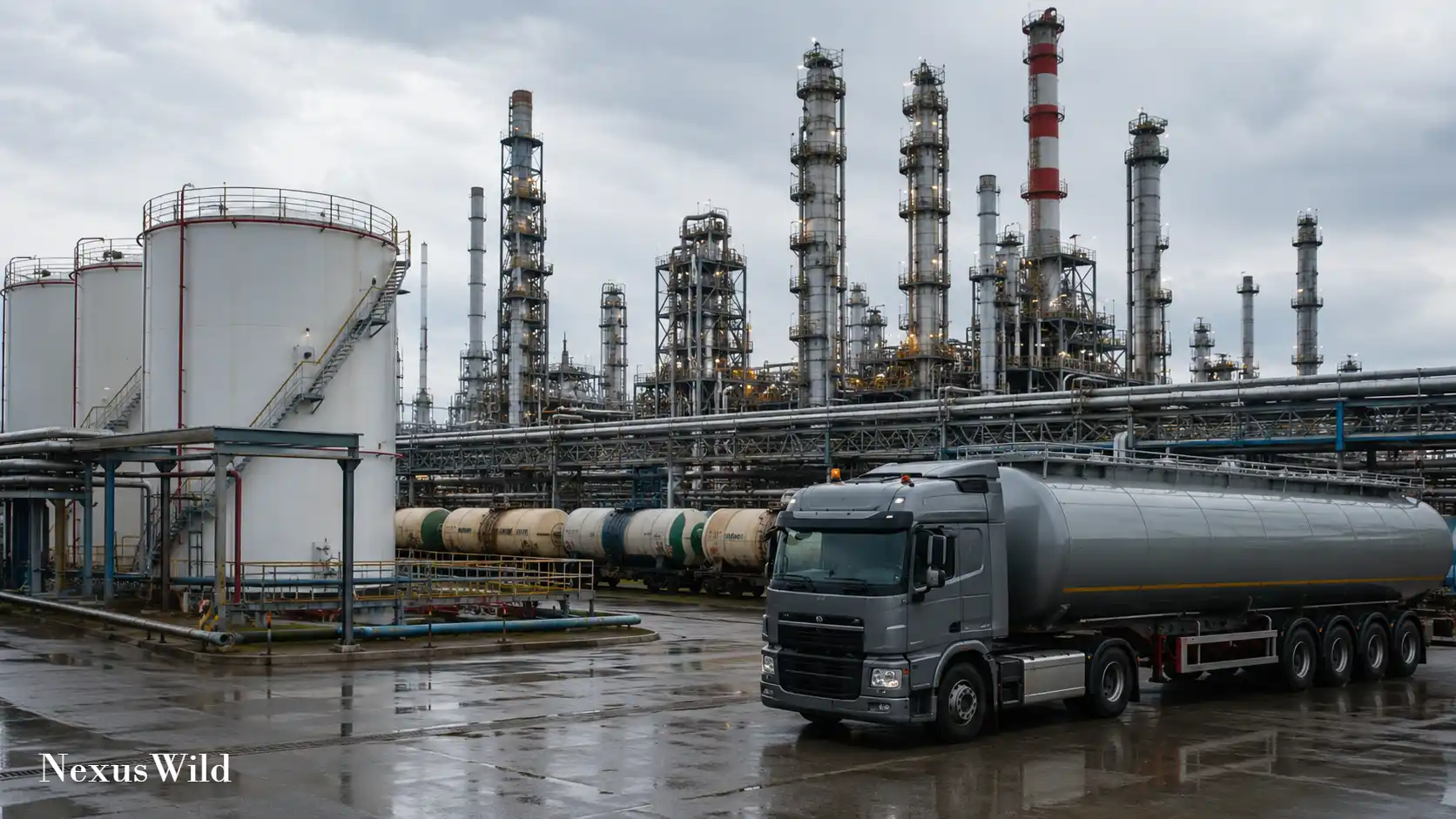

MOSCOW — Russia's government said Saturday it had extended a ban on diesel exports by direct producers until September 30, 2026, continuing a restriction first introduced at the start of July. The ban also covers exports of marine fuel and gas oils shipped by Russian producers. "These measures have been taken to stabilise the domestic fuel market," the government said in a statement.
Persisting Shortages and Refinery Outages
The restriction was originally imposed from July 8 to July 31 as part of a broader package of measures to support domestic fuel supply, then extended for producers until August 31, and has now been pushed back a further month. Three sources told Reuters the extension came as domestic fuel shortages persisted, with several refineries still offline after repeated Ukrainian drone attacks.
According to Bloomberg, Ukraine has struck Russian oil refineries at least 21 times in August, the highest monthly total since the start of the full-scale war, triggering renewed fuel shortages in some Russian regions. Separate reporting has also pointed to a seasonal rise in domestic fuel consumption coinciding with unscheduled refinery repairs as a contributing factor. Russian Deputy Prime Minister Alexander Novak said in late July that the fuel market had partially stabilised as refinery repairs were completed, though a complicated situation persisted in some regions before tightening again in August.
Additional Export Restrictions
The September 30 deadline applies specifically to direct producers. Separately, Russia has banned diesel exports by non-producers and motor gasoline exports until January 31, 2027, and jet fuel exports until the end of November 2026. These are distinct restrictions with different expiration dates from the producer diesel ban.
Global Market Impact
Russia is typically the world's second-largest diesel exporter after the United States, and Bloomberg reported the country accounted for roughly 10% of global diesel supply before the recent wave of refinery strikes. Extending the export ban is likely to tighten global diesel supply further at a time when energy markets are already dealing with other supply pressures, though the extent of any price impact will depend on how long the restrictions remain in place and how quickly affected refineries return to normal operation.
Energy traders are likely to watch whether Russia's refinery repairs progress enough to allow the ban to lapse at the end of September, or whether persistent shortages prompt another extension, a decision officials have not yet confirmed.
Further reading and useful links
Reader questions
Frequently asked questions
Why did Russia extend its diesel export ban?
Russia extended the ban to stabilize its domestic fuel market. Persistent shortages have been caused by a seasonal rise in fuel consumption, unscheduled maintenance, and repeated Ukrainian drone attacks on Russian refineries.
How long will the Russian diesel export ban last?
The current extension applies to direct producers and runs until September 30, 2026. Non-producers face a ban until January 31, 2027.
How will this affect global energy markets?
As the world's second-largest diesel exporter, Russia's extended ban is likely to tighten global diesel supplies further. The impact on prices will depend on the duration of the ban and the speed of refinery repairs.
Nexuswild welcomes factual corrections. Email contact@nexuswild.com with evidence and the article URL.