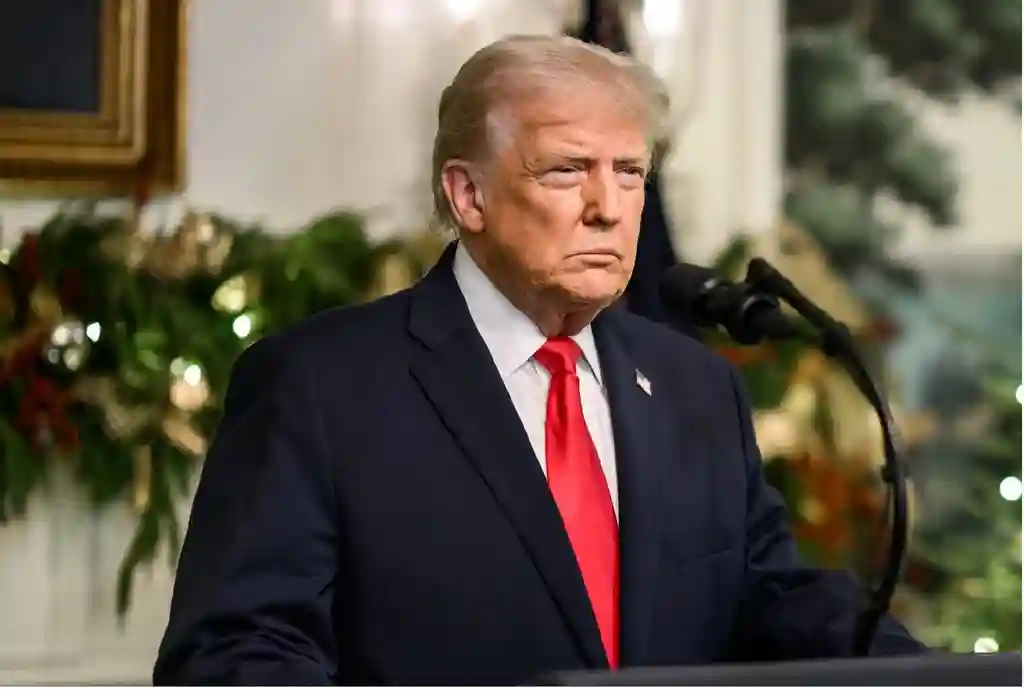

WASHINGTON — President Donald Trump announced Friday that the United States has entered an agreement giving it majority control of more than 65 billion barrels of Venezuela's proven oil reserves, calling it "THE BIGGEST OIL DEAL IN WORLD HISTORY" in a Truth Social post.
Trump said the deal was negotiated by Secretary of State Marco Rubio, Defense Secretary Pete Hegseth and Venezuela's interim President Delcy Rodríguez, "through a partnership with private business," and came "at no cost to the American Taxpayer." He said the transaction "more than doubles American oil reserves" and "will substantially lower gas prices for all Americans, long into the future."
The Scope of the Deal
The 65 billion barrels represents reserves in the ground, not oil already produced or delivered, and is roughly one-fifth of Venezuela's more than 303 billion barrels of proven reserves, the world's largest. Rodríguez's government said the arrangement covers development of 17 oil fields, reportedly concentrated in the Orinoco Belt and Lake Maracaibo regions, and that it could draw close to $100 billion in private investment while generating more than $209 billion in tax revenue for Caracas.
Both figures are Venezuelan government projections rather than confirmed outcomes. Rubio said separately the deal would bring "nearly $100 billion in private investment" and support jobs and reconstruction in Venezuela.
Unresolved Details and Legal Questions
Key structural details remain unresolved. A US government source described the arrangement to Axios as a public-private partnership in which the US receives equity rather than a direct purchase, with access to a set volume of "off-take" crude exchanged at cost, overseen by the Pentagon's Office of Strategic Capital.
Officials have not named the private companies or operators involved, and it was unclear Friday night whether the agreement had actually been signed, with one administration source calling it finalized and another saying it was not fully wrapped up. Reuters has reported Venezuela is preparing to sign separate agreements next week granting exploration and production rights to companies, potentially through a lease or auction model, though any arrangement could face legal and constitutional challenges in Venezuela, where the state retains control over core oil operations.
Market Impact and Future Outlook
Venezuela currently produces about 1.25 million barrels of oil per day, far below its potential, after years of underinvestment, infrastructure decay and sanctions. Substantially raising output would likely take years given the scale of investment and repair needed.
While Trump said the deal would lower gasoline prices, US retail prices depend on global crude markets, refining capacity and other factors, and any effect from new Venezuelan supply would not be immediate. The reserves also remain distinct from US oil production capacity or the Strategic Petroleum Reserve, neither of which is directly affected by the announcement.
Further reading and useful links
Reader questions
Frequently asked questions
What is the US-Venezuela oil deal announced by Trump?
President Trump announced an agreement granting the US majority control of more than 65 billion barrels of Venezuela's proven oil reserves through a public-private partnership.
Will this deal immediately lower US gas prices?
No. Revitalizing Venezuela's oil infrastructure to extract those reserves will require significant time and investment, and US gas prices are ultimately determined by global crude markets and refining capacity.
Has the deal been finalized and signed?
The exact status of the deal remains unclear. While Trump announced it as secured, administration sources gave conflicting accounts on whether it had been fully signed, and key structural details have not been released.
Nexuswild welcomes factual corrections. Email contact@nexuswild.com with evidence and the article URL.