
Alphabet Shares Fall 10% After Q3 as $51.4 Billion CapEx and Negative Free Cash Flow Overshadow Cloud Growth
Alphabet shares dropped more than 10% in after-hours trading following its third-quarter 2026 earnings announcement, as investors weighed rapid Google Cloud growth against heavy AI infrastructure spending, softer advertising results and negative free cash flow.
The Google parent reported revenue of $127.58 billion for the quarter ended September 30, up 25% from a year earlier. Net income available to common stockholders was $26.17 billion, compared with $34.98 billion in the third quarter of 2025. Diluted earnings per share fell to $2.12 from $2.87. <Cite refs={["turn476740search0","turn476740search2","turn476740news13"]}/>
The results showed that Alphabet's AI investments are supporting strong demand for cloud infrastructure and services. However, the scale of investment and uneven performance across business lines has increased scrutiny of how quickly the company can turn its expanding AI capacity into sustainable cash generation.
Google Cloud revenue more than doubles
Google Cloud was the standout performer. Revenue increased 103% year over year to $30.71 billion, driven by enterprise demand for AI infrastructure, AI solutions, core cloud services and Google's Tensor Processing Unit (TPU) systems. The division's revenue exceeded analyst expectations. <Cite refs={["turn476740search0","turn476740news14"]}/>
Cloud operating income more than tripled to $11.12 billion, while its operating margin expanded to 36.2%, compared with 23.7% a year earlier. The performance suggests that the cloud business is not only expanding rapidly but also generating significantly more operating income as revenue grows. <Cite refs={["turn476740search1","turn476740search5"]}/>
Alphabet also reported a Google Cloud backlog of $561 billion, with the company expecting to recognize just over 55% of that amount as revenue over the next 24 months. The backlog provides an indication of contracted demand, although it is not equivalent to cash already received or guaranteed revenue within a specific period. <Cite refs={["turn476740search1","turn476740search7"]}/>
The cloud growth highlights the increasing role of AI infrastructure in enterprise technology spending. Businesses are purchasing computing capacity and AI services to develop, deploy and operate models and applications. Alphabet's custom TPU systems are also contributing to revenue, extending the company's AI business beyond conventional cloud services. <Cite refs={["turn476740search0","turn476740search1"]}/>
Advertising performance presents a more mixed picture
Alphabet's core Google Services division generated $96.30 billion in revenue, up 11% year over year. Search and other revenue increased 12% to $63.35 billion, while YouTube advertising revenue rose 9% to $11.21 billion. <Cite refs={["turn476740search2","turn476740search5"]}/>
Despite the growth, advertising revenue fell short of analyst estimates. Alphabet's consolidated revenue also missed consensus forecasts, although estimates differed among market-data providers. This was a key reason the strong cloud performance did not translate into a positive market reaction. <Cite refs={["turn476740news12","turn476740news13","turn476740search4"]}/>
The results arrive as Google expands AI features in Search and its Gemini products. The company said Search query growth was the strongest in five years, while management highlighted rising AI-driven usage. But investors continue to examine whether the changing search experience can sustain advertising growth and monetization at the scale of Alphabet's traditional business. <Cite refs={["turn476740search0","turn476740news13"]}/>
Alphabet said the Gemini app reached one billion users. It also reported that its first-party model APIs were processing nearly 32 billion tokens per minute, more than four times the level a year earlier. Those usage figures demonstrate adoption, but they do not by themselves establish how profitable the associated AI services will become. <Cite refs={["turn476740search0","turn476740search1"]}/>
Capital expenditure reaches $51.4 billion
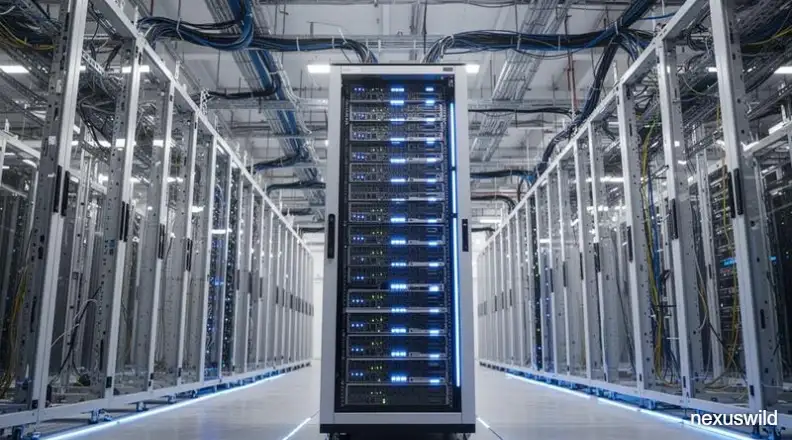
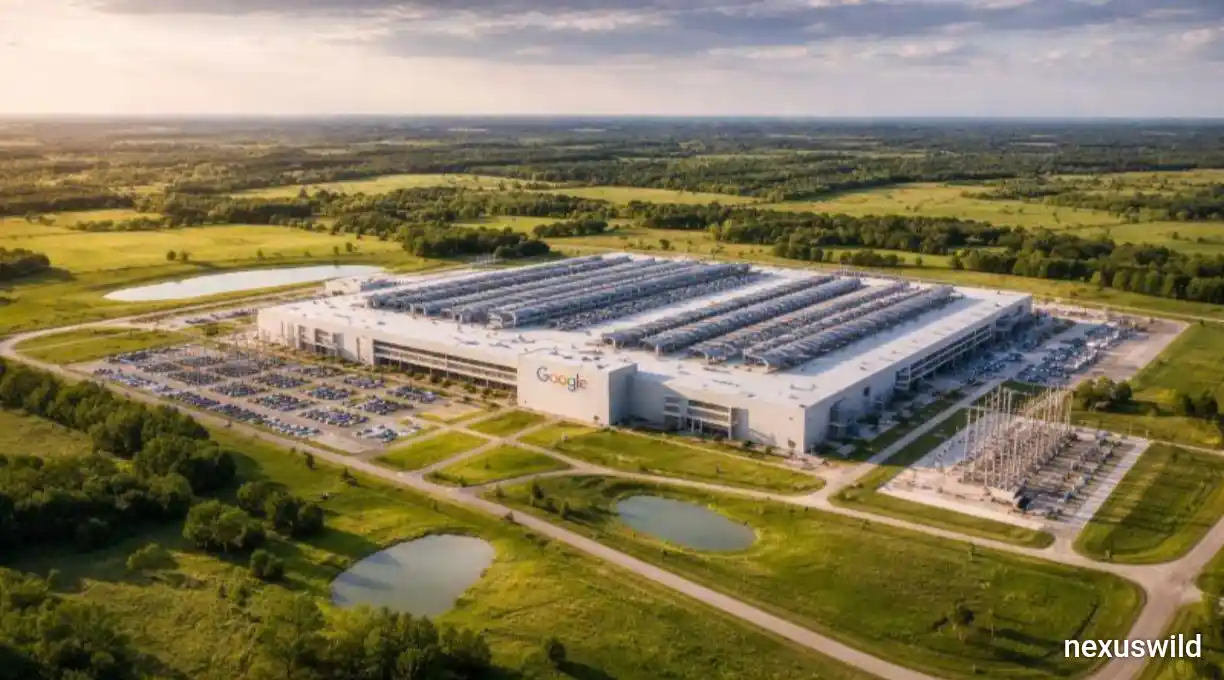
Alphabet spent $51.4 billion on capital expenditure in the third quarter, with the vast majority directed toward technical infrastructure supporting AI and cloud demand. Approximately 65% of technical infrastructure investment went toward servers and networking equipment, while the remainder was associated with data centers. <Cite refs={["turn476740search1","turn476740search10"]}/>
The spending reflects the capital-intensive nature of building and operating AI infrastructure. Alphabet needs computing equipment, data-center facilities, networking systems and related infrastructure to support the growing use of its cloud services and AI models.
The company maintained its full-year 2026 capital expenditure forecast of $195 billion to $205 billion. Management also said capital expenditure is expected to increase significantly in 2027, with further details to be provided in a later earnings update. <Cite refs={["turn476740search1","turn476740search6"]}/>
Higher investment can support future revenue growth, but it also creates financial obligations before the infrastructure produces its expected returns. Investors are therefore looking closely at the pace of spending, equipment utilization, depreciation and the timing of cash generation.
Free cash flow turns negative
Alphabet reported negative free cash flow of $9.1 billion in the third quarter. Free cash flow is generally calculated as operating cash flow minus capital expenditure and provides a measure of cash remaining after capital investments. <Cite refs={["turn476740search1","turn476740search10"]}/>
The negative figure was affected by substantial infrastructure investment, but the company's disclosures also identified other factors. Alphabet made a $5.2 billion cash payment related to a European Commission fine after the conclusion of its appeal process. It also built inventory to support sales of TPU systems. These factors contributed to the cash-flow result, so it would be misleading to attribute the entire decline solely to AI capital expenditure. <Cite refs={["turn476740search1","turn476740news12"]}/>
Alphabet still reported $42.3 billion in operating cash flow during the quarter and $265.1 billion in cash and marketable securities at quarter-end. Its trailing 12-month free cash flow was $19.7 billion. These figures provide context for the company's overall liquidity, but they do not remove the need to evaluate the sustainability of its investment spending. <Cite refs={["turn476740search1","turn476740search10"]}/>
The central investor question is whether the infrastructure now being built will generate enough incremental revenue and operating income to justify its cost over time. Cloud growth and backlog provide positive indicators, while near-term cash flow pressure and higher future spending remain risks.
Why the stock reaction matters
Alphabet's after-hours share decline reflected the tension between its strong AI-related growth and the financial cost of scaling that business. Google Cloud delivered a substantial revenue beat, but softer advertising results, lower earnings per share and negative free cash flow shaped the market's response. <Cite refs={["turn476740news12","turn476740news13"]}/>
The broader implications extend to other large technology companies investing heavily in AI infrastructure. Spending on data centers, accelerators, memory, networking and electricity can benefit suppliers, but the long-term economics depend on whether customers continue paying for AI services at levels that support the investment.
Alphabet's results do not establish that AI infrastructure spending is unprofitable or that its returns will fail. They do highlight that revenue growth, operating profit and cash flow can move in different directions while a company expands capacity rapidly.
What to watch next
Investors will be watching Alphabet's next updates on capital expenditure, Google Cloud margins, advertising performance and free cash flow. The company's outlook for higher spending in 2027 makes the pace of investment a central issue beyond the current quarter.
The next stage of the AI infrastructure cycle will depend not only on demand for computing capacity but also on monetization, operating efficiency and the ability to translate investment into durable cash generation. Alphabet's third-quarter results capture that challenge: AI demand is expanding rapidly, while the financial payoff remains closely tied to execution over time.
Nexuswild welcomes factual corrections. Email contact@nexuswild.com with evidence and the article URL.