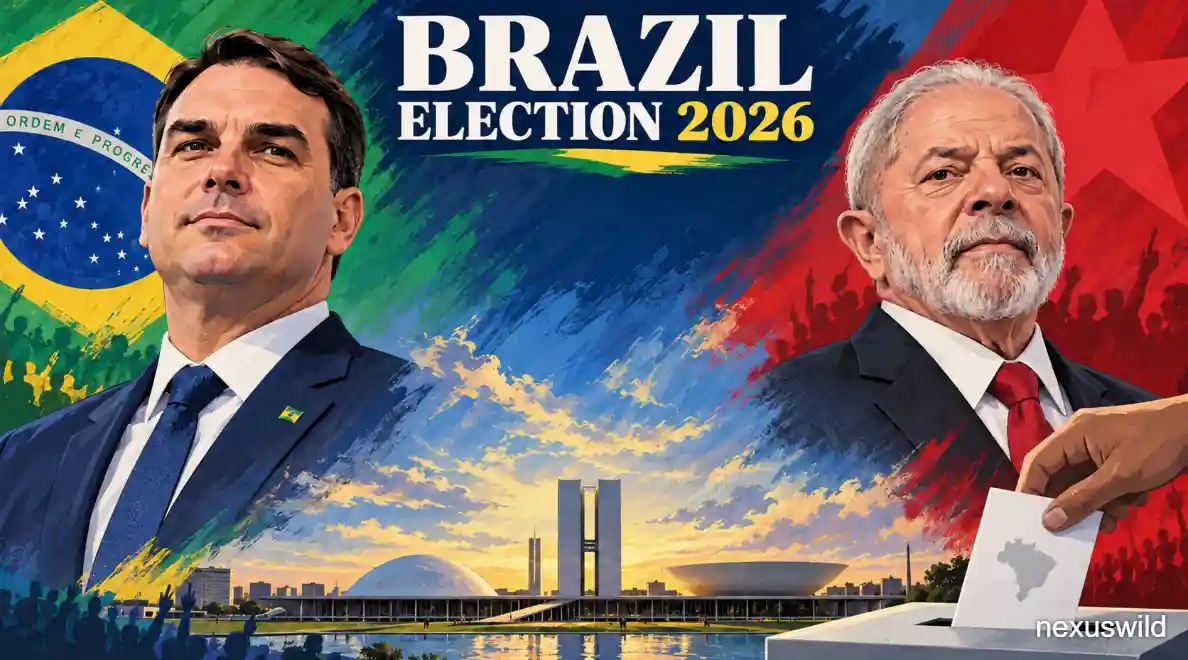

President Luiz Inácio Lula da Silva has won election again getting a fourth time as president after beating Flávio Bolsonaro in the country’s October 25 2026 vote. The result makes Lula stay in power for another four years while the government faces economic, legislative and international problems.
According to the Superior Electoral Court Lula received 51.79% of the votes which's 64,256,232 votes. Flávio Bolsonaro, a senator from the Liberal Party got 48.21%, which's 59,826,041 votes. The difference is than 4.4 million votes making the result clear in a close election. Official election announcement.
Lula will start his term on January 5 2027. He was president from 2003 to 2010 before coming in 2023. His new win happens when political differences are still strong in Brazil with opinions on spending, economic plans, environment and the countrys relation with big countries.
The election result ends the contest. The time before he starts his new term is important. Lula must make his election result into plans that get support in a legislature where conservative groups still have power.
A Close Result Shows Brazil’s Political Split
The final result shows a country with ideas about politics and the economy. Lulas support shows the popularity of his left-center plans, including help for people, better wages and more public spending. Bolsonaros campaign brought in voters who want a conservative way and are worried about government spending, rules and the role of the government in the economy.
The vote was tight through the second round. Lulas final lead was big in numbers. The difference in percentages was only 3.58 points. The result gives the president a chance without getting rid of the opposition that will influence his next term.
Lula coming back in 2023 was after a win over Flávio Bolsonaros father, Jair Bolsonaro in 2022. The 2026 race showed that the political groups from that time are still important. Support for both sides is based not on what they want but also on different views about Brazils institutions, social goals and its place in the world.
The campaign also showed how important digital communication and getting voters to vote is. Messages spread through media and messaging apps and street events helped both sides stay visible. The second round brought people into the vote letting Lula win after a tough first round.
Brazils political split will still be important in the government. The government has to work with lawmakers respond to people who wanted the side and show progress on things like jobs buying power and public services.
Election Day Problems and Doubts About the Result
The second round also had some problems. Authorities let voting go longer at some places because of transportation issues and heavy rain. This happened after requests from both candidates. Their problems were different in each area.
The change became a problem after the result was announced. Flávio Bolsonaro said he wanted to cancel the election. His main issue was when the time was extended and if it affected the fairness of the vote.
The number of votes after the original time was much less than Lulas lead. A report said it was 35,000 compared to Lulas lead of more than 4.4 million votes.
By October 27 Bolsonaros party accepted the result even though the leader kept asking for answers about the voting process. Reports said Bolsonaro stopped trying to cancel the result but was thinking of another challenge about abuse of power during the campaign. Those claims are different from the election result.
This shows how important trust in election systems is. Brazil uses voting and the result was announced after counting. Criticism of the voting process can still happen,. Claims about problems need to be checked against evidence and the rules from the countrys election courts.
Economic Plans Will Be Important for Lula’s New Term
Economic management is expected to be one of the important issues for Lula after winning. Brazil has done better than expected economically. The government has to make hard choices about money.
Public debt is than 82% of the countrys total production according to recent reports. Mandatory spending leaves room in the budget for changes without changing spending, taxes or rules. The government has to balance goals with keeping confidence in the countrys money.
Lula supports plans to help peoples money and expand support. His plan also includes minimum wages, jobs and investment. These plans can help people with money but they can cause more money problems if spending grows faster than money coming in.
The governments choices affect investors, businesses and people. If the money plan is seen as good it may help improve the economys outlook. If money and borrowing problems get worse higher costs may stop companies from growing. Make it harder to pay public debt.
Monetary policy is another challenge. Recent reports say inflation is 4.6% and the money interest rate is 13.75%. Inflation is a bit above the banks limit making it hard to reduce rates quickly without price increases.
High borrowing costs affect more than money markets. Companies need money for growth and people may have trouble with loans, credit cards and other payments. Any improvement in trust will depend on how inflation, jobs, money plans and loan costs work
These problems don't decide Lulas term but they set the limits the government has to work within.
Congress May Limit What the Government Can Do
Winning the presidents job does not mean Lula has a majority in Congress. Conservative groups and their friends are expected to have a lot of power in both parts of Congress limiting what the government can do without talking to others.
This is especially important for money plans, tax rules and changes. The government might want to remove some tax breaks change where money is spent or adjust how money comes in. These ideas need support from lawmakers with different views.
Congress talks could change how fast and how much the government does. Plans that need laws may be delayed or changed while ideas that are not supported by strong groups may face resistance. Lula may have to build groups and make deals to push his ideas.
Brazil is also moving towards a change in how it taxes what people buy with steps starting in January 2027. The change is expected to affect companies that manage supply chains calculate taxes and work in different areas.
The long-term effect of the change depends on how it's done the final rules and how companies deal with the new system. For companies knowing the tax rates how to follow the rules and how different activities are treated will be important. The government has to explain the changes to reduce confusion for investors and people.
The challenge is to balance the governments goals with a Congress that might not want taxes or spending changes. Lulas ability to make agreements that last will help decide how much of his plans become real.
Social Plans and Money for Families Are Still
Social help and family money were big topics during the election and they will stay important in the next government. The government has focused on helping people with money, better wages and public services linking these goals to the countrys bigger economic plans.
The cost of living and family debt are still big problems. High interest rates can make it hard for families to deal with loans when jobs and wages get better. Businesses face the issue when expensive money combines with uncertain demand and costs.
The government has talked about help for families and small businesses. These plans can give help to those who need it. How they are funded and if they fix what makes debt grow will decide how much they help.
Improving family money usually needs more, than help. Jobs that are steady wages that go up easy money services and manageable loan costs all help families spend without getting much debt.
For Lula the policy challenge will be to show that social commitments can be maintained while controlling risks. For households the practical test will be whether economic growth brings purchasing power and greater financial security.
Environmental Policy Could Shape Brazil’s Global Role
Brazil’s policies are another major part of the outlook for Lula’s next term. The country has areas of the Amazon rainforest and plays an important role in global discussions about biodiversity, land use and climate change.
The administration has focused on protection and action against illegal deforestation while Brazil’s agricultural and extractive industries remain important sources of exports, jobs and economic activity. Managing these competing priorities will require decisions about enforcement, land management, infrastructure and access to finance for development.
Stronger environmental oversight could help Brazil attract investment linked to low-carbon supply chains and nature conservation. It may also affect how international buyers look at resource-based products. At the time rules that increase compliance costs can cause resistance from producers and political groups who worry about land use and economic opportunity.
The outcome will depend on implementation than announcements alone. Enforcement capacity, coordination between state authorities, monitoring systems and engagement with local communities will all affect the effectiveness of environmental policy.
Brazil’s approach also has implications. Climate cooperation can help build relationships and investment opportunities while disagreements over land use and trade standards can make relations with overseas partners more complicated.
Foreign Relations Will Require a Delicate Balance
Lula’s reelection gives Brazil continuity in its policy at a time of changing geopolitical relationships. His administration has worked to keep Brazil’s independence engage with emerging economies and keep working relationships with major industrial powers.
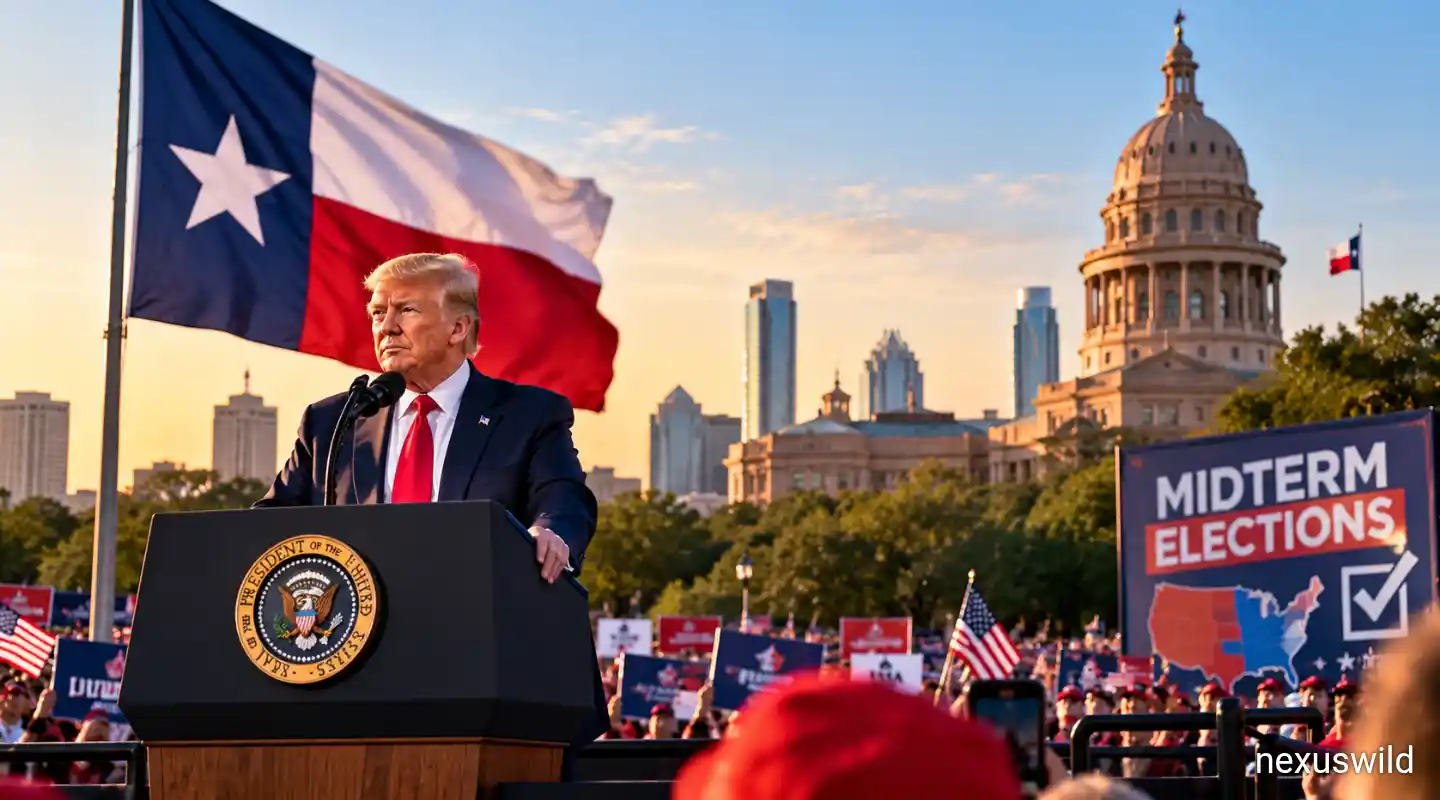
Relations with the United States could remain especially sensitive. Lula and U.S. President Donald Trump have had disagreements and the Brazilian election campaign included different views about national sovereignty and foreign influence. Statements made after the result have added to the tension although they do not by themselves decide the future direction of bilateral relations.
For Brazil the United States remains an economic and diplomatic partner. Trade, investment and cooperation in areas like energy and technology give both governments reasons to keep communication even when political differences exist.
China is another partner because of its role in Brazilian exports, including agricultural goods and minerals. Brazil’s diplomatic position will require it to handle relationships across economies while protecting its own commercial interests.
The administration’s external priorities may also include cooperation, climate diplomacy, food security and reform of international institutions. The success of those efforts will depend on the benefits they bring and the government’s ability to keep consistent relationships with multiple partners.
What Lula’s Fourth Term Means for Brazil
Lula’s reelection gives Brazil continuity at the presidential level but it does not remove the constraints that will shape the next phase of government. A divided electorate, a legislature with a lot of representation, higher borrowing costs and pressure on public finances will all affect the administration’s choices.
The government’s first major test will be turning its campaign priorities into a programme for the new term. Social protection and higher household incomes are still central to its plan. Their implementation will be closely tied to managing public spending, inflation and investment.
Businesses will look for signals on taxation, regulation, infrastructure and trade. Households will focus on employment, purchasing power, borrowing costs and public services. International partners will check Brazil’s trade policy, environmental commitments and diplomatic position.
The election result also shows how important voter mobilisation and political organisation are in a competitive environment. Lula has won another term. The size of the opposition support means his government will need to work in a tough political landscape.
As the January 2027 inauguration gets closer Brazil faces a mix of opportunities and challenges. Lula’s fourth non-consecutive presidential term will be judged not by the commitments made during the campaign but by whether his administration can turn those priorities into real economic and social results while keeping public confidence, in the country’s institutions.
Nexuswild welcomes factual corrections. Email contact@nexuswild.com with evidence and the article URL.