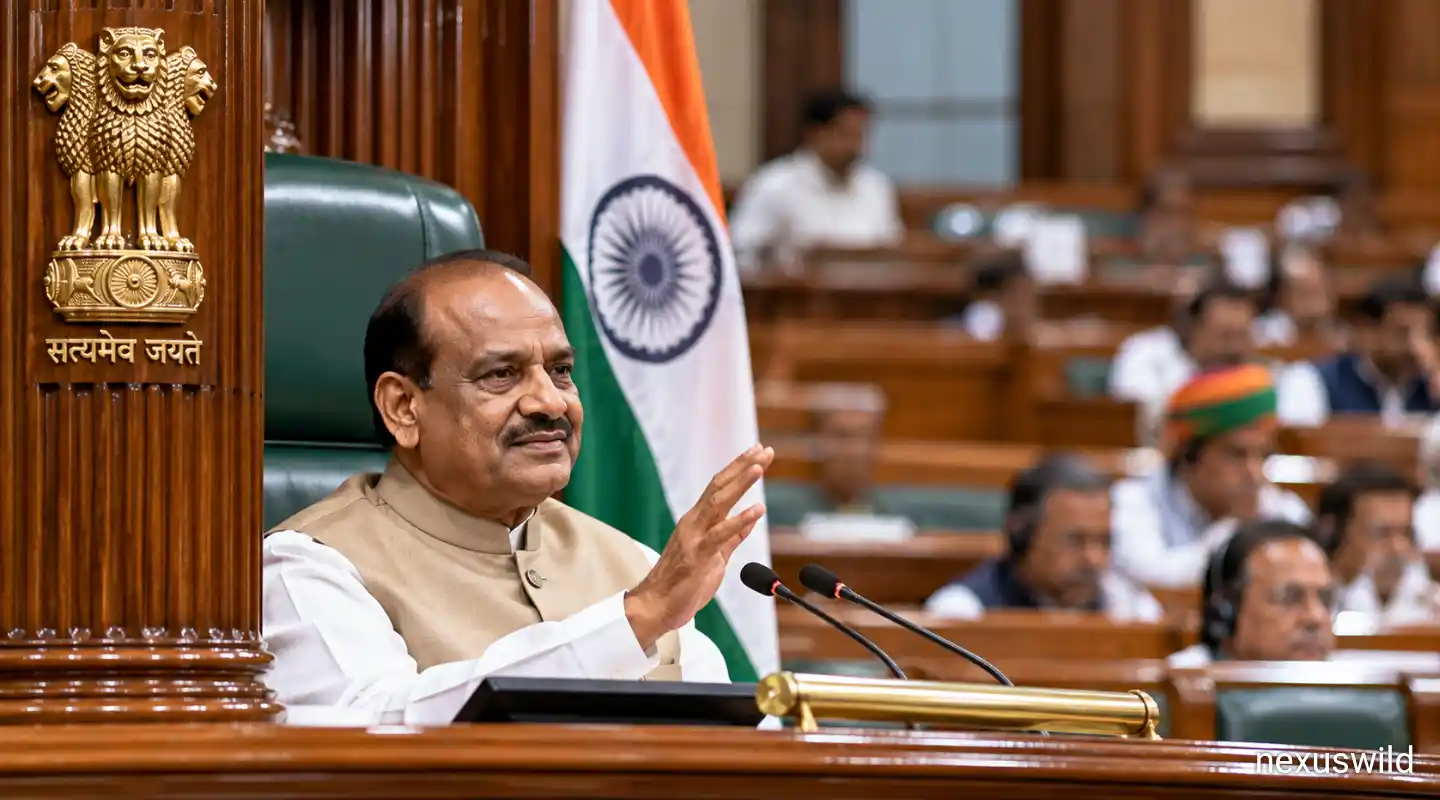

Lok Sabha Speaker Om Birla and Rajya Sabha Chairman C.P. Radhakrishnan have reconstituted Parliament's department-related standing committees for 2026–27, retaining several senior MPs as chairpersons while making changes in a number of important panels.
The new committee structure, reported on October 3, determines which MPs will lead parliamentary scrutiny of ministries covering areas such as finance, defence, external affairs, railways, communications, health, commerce and agriculture.
Parliamentary standing committees play an important role in examining government policies, proposed legislation, ministry spending and demands for grants. Their reports are generally advisory, but the panels provide MPs with an opportunity to study policy issues in greater detail than is normally possible during debates on the floor of Parliament. Digital Sansad lists these department-related committees alongside Parliament's financial and other standing committees.
Several Senior Committee Heads Retained
A number of prominent chairpersons will continue in their existing roles.
Congress MP Shashi Tharoor has been retained as chairperson of the Parliamentary Standing Committee on External Affairs, while Congress MP Charanjit Singh Channi will continue to head the Agriculture panel.
BJP MP Bhartruhari Mahtab will remain chairperson of the Finance Committee, while Radha Mohan Das Agarwal continues to head the Home Affairs panel.
Nishikant Dubey has been reappointed chairperson of the Communications and Information Technology Committee, and former Union minister Anurag Thakur will continue to head the Coal, Mines and Steel Committee.
BJP MP Rajiv Pratap Rudy has also been retained as chairperson of the Water Resources panel.
Changes in Commerce, Railways and Other Panels
The new committee assignments also contain several changes.
BJP MP Sudhanshu Trivedi has been appointed chairperson of the Parliamentary Standing Committee on Commerce, replacing Trinamool Congress MP Dola Sen.
For the Railways Committee, BJP MP Sudheer Gupta has replaced C.M. Ramesh as chairperson.
Another change has taken place in the Parliamentary Standing Committee on Personnel, Public Grievances, Law and Justice, where BJP MP Sujeet Kumar has replaced Brij Lal.
BJP's Radha Mohan Singh will head the Defence Committee.
Opposition and Regional Parties Retain Important Roles
The reconstitution continues the practice of assigning several parliamentary committees to opposition parties and regional political groups.
DMK MP Tiruchi Siva has been reappointed chairperson of the Industry Committee, while K. Kanimozhi will continue to head the Committee on Consumer Affairs, Food and Public Distribution.
Congress leader Mukul Wasnik remains chairperson of the panel dealing with education, women, children and youth, while Samajwadi Party MP Ram Gopal Yadav continues to head the Health and Family Welfare Committee.
Congress MP Saptagiri Sankar Ulaka has also been reappointed chairperson of the Rural Development and Panchayati Raj Committee.
Representatives of parties allied with the BJP-led government also continue to lead several panels. JD(U) MP Sanjay Kumar Jha has been reappointed head of the Transport, Tourism and Culture Committee, while Shiv Sena MP Shrirang Barne remains chairperson of the Energy Committee.
Trinamool Congress Loses Two Committee Chairmanships
One of the more politically significant changes involves the Trinamool Congress.
The party lost the chairmanship of two parliamentary committees in the latest reconstitution.
Dola Sen was replaced by Sudhanshu Trivedi as head of the Commerce Committee. In the Committee on Chemicals and Fertilisers, Kakoli Ghosh Dastidar replaced Kirti Azad.
The latter appointment has become politically contentious because Dastidar is associated with a group of Trinamool MPs facing internal party action and pending disqualification petitions.
Trinamool Congress national general secretary Abhishek Banerjee subsequently wrote to Speaker Om Birla objecting to her appointment and asking for the committee chairmanship to be restored to the party's official nominee. The issue remains politically disputed.
Why Parliamentary Committees Matter
Department-related standing committees are one of Parliament's principal mechanisms for detailed legislative and administrative scrutiny.
Unlike many proceedings in the Lok Sabha and Rajya Sabha, committees can spend extended periods examining individual ministries, government programmes, proposed laws and expenditure plans.
They can call officials and specialists, study documents and submit reports containing observations and recommendations to Parliament.
The reconstitution of these committees is therefore more than an annual administrative exercise. It determines which MPs will lead scrutiny of major areas of government policy during the 2026–27 parliamentary year.
Conclusion
The 2026–27 reconstitution of parliamentary standing committees combines continuity with a limited number of significant changes.
Senior MPs including Shashi Tharoor, Bhartruhari Mahtab, Nishikant Dubey, K. Kanimozhi, Tiruchi Siva and Charanjit Singh Channi have retained key responsibilities, while new appointments have been made to committees including Commerce, Railways and Personnel.
The changes also underline the cross-party character of India's parliamentary committee system, where panels are chaired by MPs from the ruling party, opposition parties and regional groups.
As Parliament moves through the 2026–27 cycle, these committees will remain central to detailed scrutiny of ministries, legislation, government expenditure and public policy.
Nexuswild welcomes factual corrections. Email contact@nexuswild.com with evidence and the article URL.