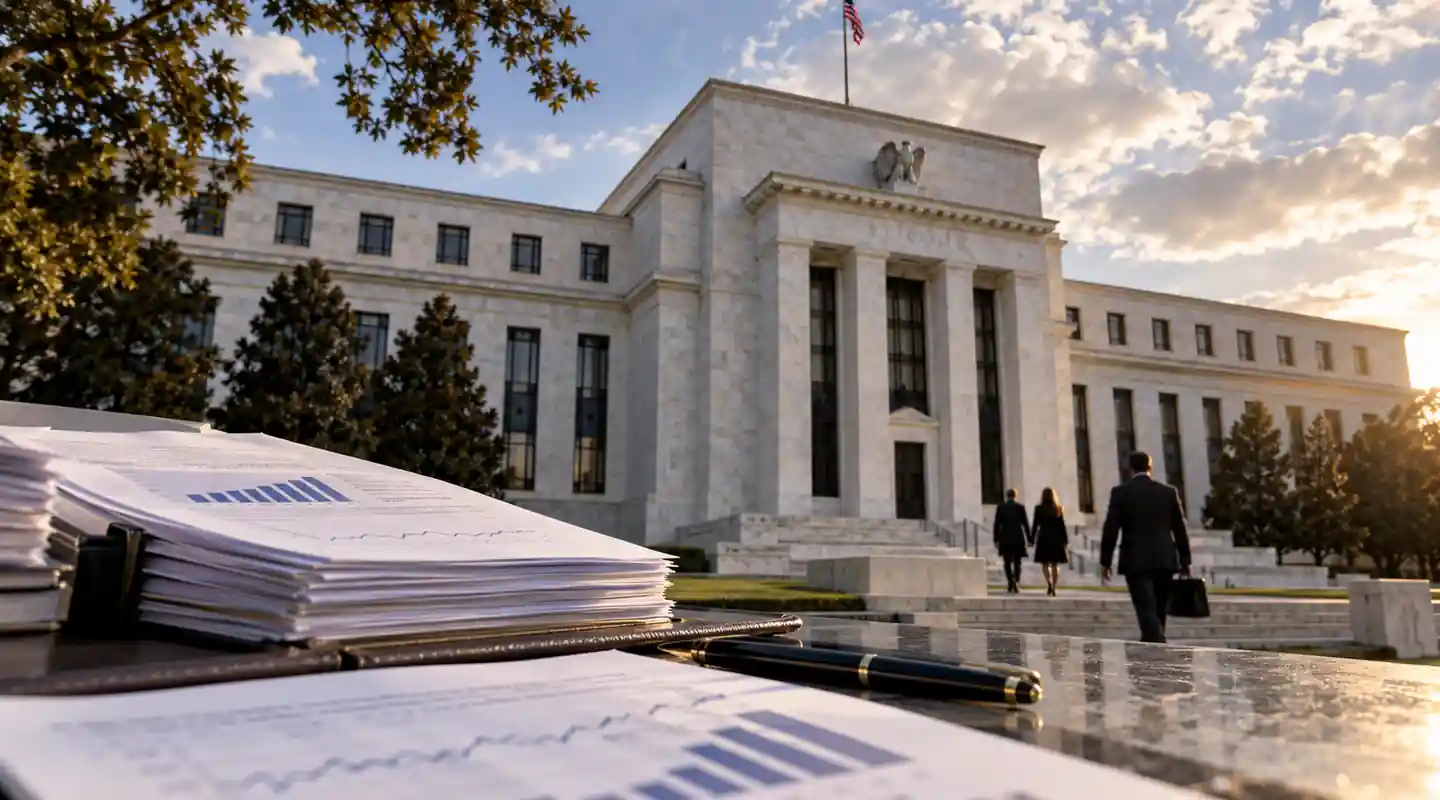

Long-term U.S. borrowing costs have surged to levels last seen more than two decades ago, raising the discount rate for housing, private equity, infrastructure and government debt. The immediate headline is important, but the larger story is how the event changes the operating assumptions around 30-year Treasury yield.
What happened
Global bond selling pushed the 30-year U.S. Treasury yield to around 5.48%, a level Reuters described as the highest since 2004, as oil prices and inflation concerns supported expectations of tighter monetary policy.
Why the development matters
Long-duration yields influence far more than government financing. They feed into mortgage rates, corporate borrowing, infrastructure valuation and the discount rates investors use for assets with cash flows far in the future.
How the financial transmission works
The second-order effect matters as much as the first move. Changes in yields, spreads or funding costs flow into mortgages, corporate borrowing, project finance, valuations and eventually investment decisions. For investors, the critical question is whether the move remains a market repricing or starts changing real-economy behavior.
The deeper signal
High long-term yields are especially important for capital-intensive themes such as AI infrastructure and renewable power. Projects with strong demand can still become less attractive if financing costs rise faster than expected returns.
Why markets and operators will care
A single announcement rarely changes an industry by itself. What matters is whether it alters cost, capacity, risk allocation or the speed at which competitors must respond. That is why this story is best tracked through measurable follow-through rather than headline momentum. Capital spending, utilization, financing terms, regulatory filings and counterparties' behavior can confirm whether the change is becoming structural.
What to watch next
The next signals are inflation data, Federal Reserve communication, Treasury issuance and whether higher yields begin to weaken credit creation or investment spending.
Bottom line
The core NexusWild takeaway is not a prediction. It is that 30-year Treasury yield now has a clearer set of measurable constraints and catalysts. The next update should be judged against those indicators, with new claims separated from confirmed data.
Reader questions
Frequently asked questions
What happened in the 30-year Treasury yield story?
Global bond selling pushed the 30-year U.S. Treasury yield to around 5.48%, a level Reuters described as the highest since 2004, as oil prices and inflation concerns supported expectations of tighter monetary policy.
Why does this development matter?
Long-duration yields influence far more than government financing. They feed into mortgage rates, corporate borrowing, infrastructure valuation and the discount rates investors use for assets with cash flows far in the future.
What is the key technical or financial issue?
High long-term yields are especially important for capital-intensive themes such as AI infrastructure and renewable power. Projects with strong demand can still become less attractive if financing costs rise faster than expected returns.
What should readers monitor next?
The next signals are inflation data, Federal Reserve communication, Treasury issuance and whether higher yields begin to weaken credit creation or investment spending.
Nexuswild welcomes factual corrections. Email [email protected] with evidence and the article URL.