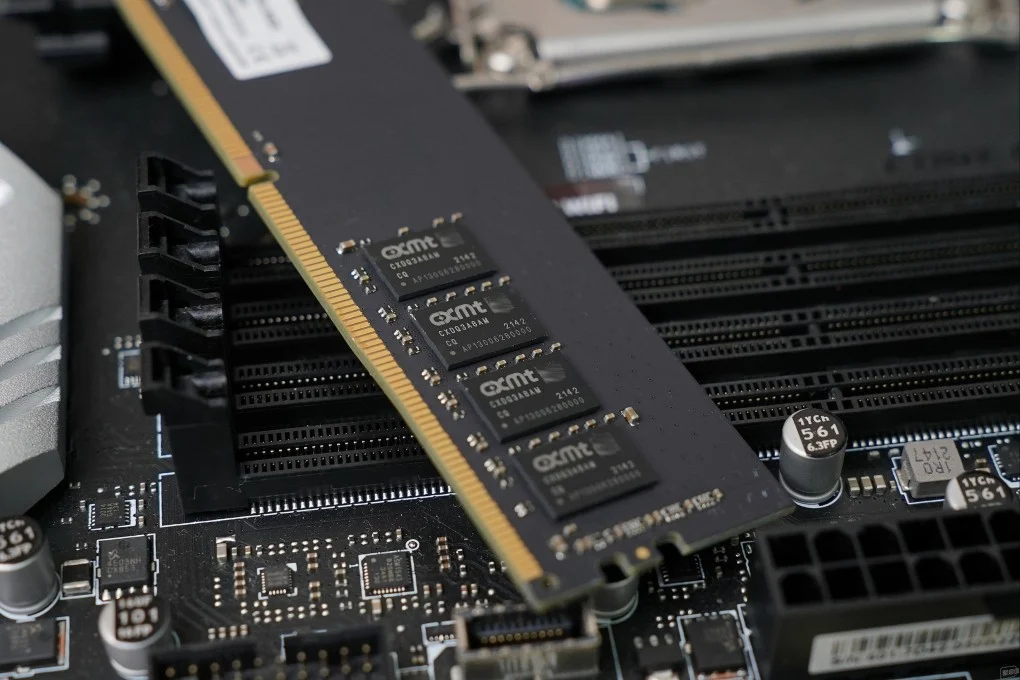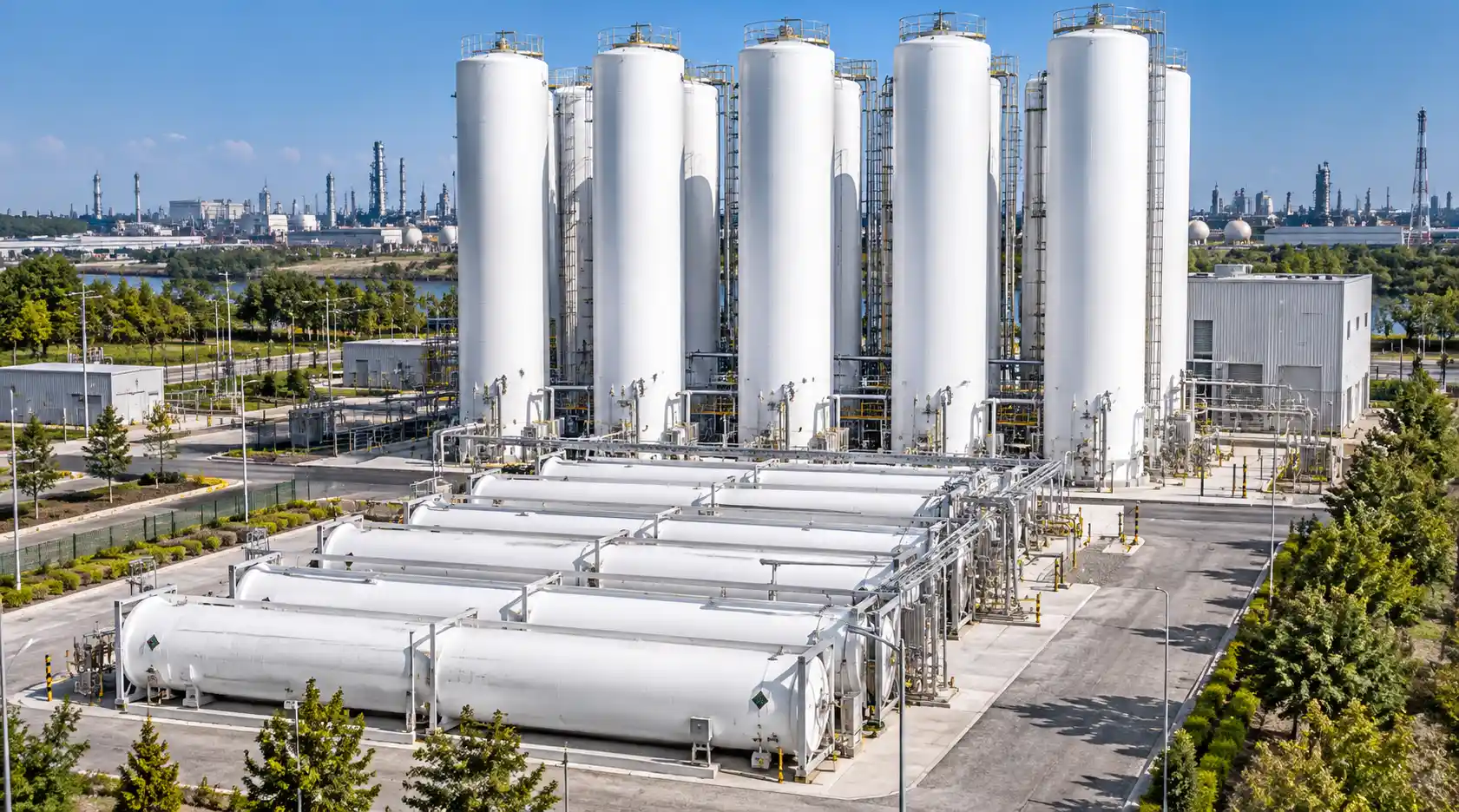

The global technology sector is built on a foundation of highly complex and deeply interconnected supply chains. While public attention often focuses on the availability of rare earth metals, lithium, or polysilicon, one of the most critical and vulnerable elements underpinning modern digital infrastructure is completely invisible. Helium - a colorless, odorless, and chemically inert noble gas - has emerged as a foundational pillar of advanced technology manufacturing. From cooling the multi-million-dollar machines that print sub-7-nanometer microchips to enabling life-saving medical diagnostics, helium is a finite resource with virtually no practical substitutes.
Today, the global market is navigating severe helium supply constraints. Unlike materials that can be synthesized in a laboratory or mined endlessly from vast geological deposits, helium is an unrenewable byproduct of natural gas extraction. Once released into the atmosphere, its low atomic weight causes it to float completely out of the Earth’s gravitational pull and into space. As the rapid expansion of artificial intelligence, high-performance computing, and electric mobility accelerates global semiconductor production, the demand for semiconductor-grade helium is surging against a rigidly inelastic supply curve.
The current constraints do not represent an absolute, immediate global depletion of the element, but rather an acute structural fragility in how it is sourced, processed, and distributed. With production heavily concentrated in just a handful of countries and transportation routes vulnerable to geopolitical friction, technology manufacturers are increasingly exposed to supply shocks. This article deeply examines the latest developments in the global helium market, the scientific reasons why the tech industry cannot function without it, the resulting supply chain risks, and the mitigation strategies being deployed to secure the future of global manufacturing.
Latest Helium Supply Developments
To understand the pressure on technology supply chains, one must first analyze the concentrated nature of global helium production. The global helium market size was valued at approximately $4.1 billion in 2024 and is projected to reach $6.1 billion by 2030, driven almost entirely by inelastic demand in high-tech sectors despite rising prices.
According to the latest Mineral Commodity Summaries 2026 report published by the U.S. Geological Survey (USGS), global helium production for 2025 was estimated at 190 million cubic meters. This production is dominated by two primary geopolitical players: the United States and Qatar. The United States remains the world's leading producer, outputting an estimated 81 million cubic meters in 2025, which accounts for roughly 42.6 percent of global supply. Qatar follows closely as the second-largest producer, outputting 63 million cubic meters, representing over 33 percent of the global market. Together, these two nations control roughly three-quarters of the world's commercially available helium.
The secondary tier of producers includes Russia (18 million cubic meters), Algeria (11 million), Canada (6 million), China (3 million), and Poland (3 million). While South Africa has recently brought new helium facilities online, its output remains at less than half a million cubic meters.
The precarious nature of this concentration has been highlighted by recent geopolitical and logistical developments. Most of Qatar's industrial-grade and semiconductor-grade helium exports must travel through the Strait of Hormuz, a strategically sensitive maritime chokepoint. Rising geopolitical tensions in the Middle East have repeatedly raised concerns among global commodity analysts regarding the long-term security of this supply route. Any prolonged instability in this region could significantly disrupt the global helium supply chain, disproportionately impacting semiconductor manufacturers in Asia, where much of the world's advanced chip fabrication is localized.
Furthermore, while the USGS noted that new helium operations came online in the United States, Canada, and South Africa in 2025, overall global capacity is expected to remain broadly stable rather than surge to meet growing demand. The combination of constrained supply additions, concentrated production, and high vulnerability to maritime trade disruptions has created a chronically tight market where price volatility and localized shortages are becoming the new normal for industrial buyers.
Why Helium Matters to Technology Manufacturing
Helium's importance to the modern digital economy cannot be overstated. While the general public associates the gas with party balloons or blimps, the reality is that the digital workplaces, education platforms, healthcare systems, and financial networks that power modern society rely on hardware manufactured using helium.
Semiconductor Fabrication
The semiconductor industry is uniquely dependent on this noble gas. In 2015, electronics and semiconductor manufacturing accounted for roughly 6 percent of global helium consumption. By 2025, that share had grown to an estimated 10 to 12 percent, driven aggressively by the transition to smaller process nodes (chips below 7 nanometers) required for artificial intelligence accelerators and high-bandwidth memory.
In a modern fabrication plant (fab), helium performs at least four critical functions that cannot be easily replicated by other elements:
- Cooling in EUV Lithography: Extreme Ultraviolet (EUV) lithography machines generate enormous amounts of heat. Helium possesses a thermal conductivity six times higher than that of nitrogen. Because it is chemically inert, it will not react with any of the highly sensitive components or plasma inside the vacuum chamber. It is the only gas capable of maintaining thermal equilibrium in these environments without contaminating the silicon wafers.
- Microscopic Leak Detection: Semiconductor fabs utilize extensive networks of vacuum chambers and ultra-pure gas delivery lines. Because helium atoms are among the smallest in the universe, they can escape through microscopic fissures that other gases cannot. Fabs use helium mass spectrometry to detect these microscopic leaks. An undetected leak could compromise an entire batch of advanced wafers, resulting in millions of dollars in lost yield.
- Carrier Gas and Purging: During chemical vapor deposition (CVD) and thin-film application processes, reactive precursor chemicals must be moved into the processing chamber. Helium acts as a perfectly inert, low-molecular-weight carrier gas, moving these materials without triggering unwanted side reactions.
- Backside Wafer Cooling: During ion implantation - where ions are bombarded into the silicon to alter its electrical properties - the wafer surface experiences extreme heat. Helium is pumped to the backside of the wafer to draw heat away, preventing the intricate patterns already etched into the silicon from degrading or warping.
Healthcare and Magnetic Resonance Imaging (MRI)
Beyond semiconductors, the medical technology sector is a massive consumer of liquid helium. MRI machines rely on superconducting magnets to generate the high-resolution internal images used to diagnose cancers, neurological conditions, and internal injuries. To maintain superconductivity - where electrical resistance drops to zero - these magnets must be cooled to nearly absolute zero. Liquid helium, which boasts a boiling point of -269 degrees Celsius (-452 degrees Fahrenheit), is the only medium capable of achieving and maintaining these temperatures safely.
Aerospace and Defense
In the aerospace sector, helium is utilized to purge liquid oxygen and liquid hydrogen fuel tanks in rockets and launch vehicles. Because helium does not freeze at the ultra-low temperatures of cryogenic rocket fuels, it can be pumped into the fuel tanks to maintain structural pressure as the combustible fuel is consumed during ascent. Without helium, space exploration and satellite deployment capabilities would be severely hindered.
Fiber Optics
The manufacturing of fiber-optic cables - the physical backbone of the global internet - also relies on helium. During the high-speed drawing process, where a glass preform is stretched into a hair-thin optical fiber, the glass must be cooled rapidly and uniformly to prevent structural defects that would cause data attenuation. Helium's exceptional thermal conductivity makes it the standard cooling medium in this high-speed manufacturing environment.
Causes of Supply Constraints
The current constraints in the helium market are not caused by a sudden, unexpected spike in demand alone; they are the result of deep, structural realities regarding how helium is sourced and managed on a planetary scale.
The Byproduct Dilemma
The fundamental challenge of helium supply is that it is rarely targeted for direct extraction. Helium is generated deep within the Earth's crust through the slow radioactive decay of elements like uranium and thorium over billions of years. Over geological time, this gas migrates upward and becomes trapped in the same impermeable rock formations that hold natural gas (methane).
Commercially, helium is almost entirely recovered as a byproduct of natural gas processing. If a natural gas field contains a sufficiently high concentration of helium (typically above 0.3 percent), energy companies can install specialized separation and purification units to extract it. This means that the global helium supply is completely tethered to the natural gas and Liquefied Natural Gas (LNG) markets. If global demand for natural gas drops, or if energy companies shut down specific wells for maintenance, global helium production immediately contracts, regardless of how desperately the technology sector needs it.
High Capital Expenditure and Infrastructure Deficits
Extracting and purifying helium is a highly capital-intensive endeavor. Even if a country possesses natural gas reserves with high helium concentrations, it must invest hundreds of millions of dollars into cryogenic separation infrastructure to refine the gas to "Grade-A" or semiconductor-grade purity (99.999% pure). Because the global producer base is so narrow, the global market relies heavily on a small number of massive facilities. When a single processing plant in Qatar or the United States goes offline for routine maintenance, or due to a mechanical failure, the entire global market feels the shockwave.
Storage and Transportation Friction
Unlike oil or natural gas, which can be pumped into massive underground caverns or steel tanks and stored for decades, helium is notoriously difficult to contain. Because of its microscopic atomic size, helium slowly escapes through the crystalline structure of most storage containers.
Furthermore, to transport helium globally across oceans, it must be liquefied. Liquid helium requires specialized, ultra-insulated ISO containers to maintain its -269 degrees Celsius temperature. During transit, the liquid slowly boils off, turning back into a gas and building pressure within the container. If a shipping delay occurs - such as a blockage in the Suez Canal or congestion at a major port - the pressure valves on these containers must be opened to vent the helium into the atmosphere, completely wasting the cargo. This unique physical property makes building long-term strategic stockpiles of helium incredibly difficult and expensive.
Impact on Semiconductors and Electronics
The convergence of these supply constraints with the booming demand for advanced electronics is placing immense pressure on the global semiconductor supply chain. Modern fabrication plants operate on incredibly tight margins of error. A disruption in the flow of ultra-pure gases can halt operations entirely.
Operational Costs and Market Dynamics
As supply has tightened over the past decade, helium prices have escalated dramatically. Industry analysts note that helium pricing has displayed a compound annual growth rate (CAGR) of approximately 8 percent over the past two decades. In the 2020s, prices have frequently spiked far above the estimated USGS base price of $12 per cubic meter (roughly $330 per thousand cubic feet) when surcharges and specialized transportation costs are factored in.
While helium represents a relatively small percentage of the overall cost of producing a $40,000 artificial intelligence processor, its importance is structural rather than incidental. A leading-edge fab, such as those operated by TSMC or Samsung, can consume roughly 500,000 cubic feet of helium per year. Because semiconductor manufacturers cannot simply substitute the gas, they are forced to absorb these price shocks, which eventually cascade down the supply chain, marginally increasing the production costs of enterprise servers, consumer electronics, and automotive computers.
The Threat to Continuous Production
The primary risk to semiconductor fabs is not cost, but availability. Advanced fabs operate 24 hours a day, 365 days a year. Shutting down an active wafer production line due to a gas shortage destroys millions of dollars of work-in-progress inventory and takes weeks to recalibrate.
To mitigate this risk, major semiconductor manufacturers attempt to hold an estimated four to six months of semiconductor-grade helium inventory on-site. However, because helium cylinders develop microscopic leaks over time, hoarding massive multi-year reserves is physically impractical. If a geopolitical disruption - such as a prolonged closure of Middle Eastern shipping lanes - restricts global supply for more than a few fiscal quarters, fabs would eventually deplete their strategic reserves. The resulting production stoppages would immediately trigger a global chip shortage, paralyzing downstream industries including automotive manufacturing, data center expansion, and telecommunications.
Global Supply-Chain Risks
The implications of the helium squeeze extend far beyond the cleanrooms of semiconductor fabs; they expose hidden dependencies across the entirely integrated global supply chain.
Localized Disruptions Causing Global Shockwaves
Because helium production is geographically constrained but its consumption is globally distributed, the supply chain is highly sensitive to localized shocks. A disruption in natural gas processing in Algeria, a pipeline issue in the United States, or maritime tension in the Persian Gulf directly threatens the output of semiconductor hubs in Taiwan, South Korea, Japan, and the United States.
When helium supply tightens, industrial gas distributors are often forced to invoke force majeure clauses in their contracts, implementing strict rationing protocols. During these allocation periods, distributors prioritize critical healthcare clients (such as hospitals needing to maintain MRI machines) and military defense contractors. Commercial technology manufacturers, electronics assembly plants, and scientific research institutions are often placed further down the priority list, receiving only a fraction of their contracted volumes.
Extending Lead Times and Uneven Availability
The impact of these shortages rarely manifests as a total, sudden collapse of the technology market. Instead, it acts as a pervasive friction that slows down the entire global supply chain. When manufacturers cannot secure reliable gas supplies, they must moderate their production cadence. This leads to extended lead times for critical components.
For instance, if a manufacturer of industrial automation sensors cannot run their leak detection protocols efficiently due to helium rationing, their output drops. The automotive company waiting for those sensors must then delay vehicle assembly, tying up capital in unfinished inventory. The cumulative effects of this uncertainty - tightening inventories, rerouted logistics, and heightened risk sensitivity - constrain supply and raise costs for end consumers worldwide.
Recycling and Alternative Solutions
Recognizing the existential threat posed by chronic helium constraints, the technology sector is aggressively investing in engineering solutions to reduce dependency on virgin helium supplies. These mitigation strategies fall into three primary categories: recycling infrastructure, technological substitution, and supply diversification.
Advanced Helium Recovery Systems
The most immediate and effective defense against supply constraints is on-site recycling. Historically, when helium was cheap and abundant, fabs would simply vent the gas into the atmosphere after it was used to cool a wafer or purge a chamber. Today, venting is considered an unacceptable waste of a critical asset.
Leading industrial gas companies, including Linde Plc, Air Liquide, and Air Products, now design and install sophisticated helium recovery and purification infrastructure directly alongside semiconductor cleanrooms. These closed-loop systems capture the exhausted helium, pipe it through advanced filtration systems to remove chemical contaminants picked up during the manufacturing process, and compress it for reuse.
In certain cooling and purging applications, modern fabs can recapture and purify 90 to 95 percent of the helium they use. However, recycling is not a perfect panacea. Leak detection processes, where helium is sprayed into the open air of a facility to find microscopic vacuum breaches, are inherently unrecoverable. Furthermore, even with a 95 percent recovery rate, a massive semiconductor fab is still losing 5 percent of a massive volume every single day, requiring continuous top-offs from external suppliers.
Technological Substitution
Where possible, equipment manufacturers are attempting to design helium out of the production process entirely. Companies like ASML and Applied Materials are exploring ways to redesign next-generation deposition and etch chambers to utilize nitrogen or argon for non-critical cooling and purging functions. Nitrogen is abundant (comprising 78 percent of the Earth's atmosphere) and can be extracted easily via localized air separation units.
Other alternative gases, such as hydrogen and neon, are being explored as partial substitutes for specific niche applications. However, hydrogen carries severe flammability and explosion risks, making it difficult to manage in highly electrical environments. Neon, while inert, has a supply chain fraught with its own geopolitical baggage - prior to the geopolitical conflicts of the early 2020s, a massive portion of the world's semiconductor-grade neon was sourced from a highly concentrated region in Eastern Europe.
Ultimately, for the most demanding applications - specifically EUV lithography thermal management and ultra-precision leak detection - the laws of physics dictate that helium’s unique combination of thermal conductivity, inertness, and atomic size simply cannot be substituted.
Exploration of Non-Hydrocarbon Sources
To decouple helium production from the volatility of the natural gas and LNG markets, specialized exploration companies are increasingly hunting for "primary helium" deposits. These are geological formations where helium is trapped alongside non-combustible gases like nitrogen, rather than methane. Projects in regions such as Saskatchewan, Canada, and parts of the Midwestern United States are attempting to tap into these non-hydrocarbon reservoirs. While these projects represent a promising diversification of the supply base, their current output volumes remain too small to significantly alter the dominant market share held by the US and Qatar.
Industry and Expert Views
The intersection of energy infrastructure, critical minerals, and digital technology has prompted stark warnings from supply chain experts and commodity analysts.
Analysts at major consulting firms, such as BDO, have explicitly highlighted how helium shortages expose hidden dependencies in global chip supply chains. They emphasize that while helium represents a microscopic proportion of overall manufacturing costs, its importance is deeply structural. As societies become increasingly digitally connected, relying on cloud services, AI infrastructure, and automated logistics networks, any disruption to the foundation of chip manufacturing carries massive socio-economic consequences.
Geologists and researchers associated with institutions like the USGS continually reiterate the finite nature of the resource. While the USGS estimates that the identified helium resources of the world (excluding the US) stand at roughly 31.3 billion cubic meters, having the gas trapped in the ground is vastly different from having it purified and delivered to a cleanroom in Taiwan. The commercial chain from geological discovery to semiconductor-grade refinement is highly technical, capital intensive, and time-consuming.
Semiconductor industry executives privately acknowledge that the supply chain suffers from severe concentration risk. After spending billions of dollars to build redundant power grids and secure alternative sources of silicon and photoresists, fabs find their operational continuity threatened by a gas that relies heavily on a narrow shipping lane in the Middle East and a handful of aging processing plants in the United States. This realization has driven a shift in procurement strategies, with major tech manufacturers signing long-term, multi-year supply contracts to secure priority access to industrial gas output, moving away from the highly volatile spot market.
Conclusion
The helium supply constraints currently pressuring the global technology manufacturing sector serve as a stark reminder of the physical limits of the digital economy. The cloud, artificial intelligence, and virtual realities are ultimately anchored to the physical world - reliant on finite resources pulled from the Earth's crust.
As the demand for advanced semiconductors continues its parabolic trajectory, the industry's reliance on helium will only intensify. The deployment of advanced recycling infrastructure and the localized redesign of manufacturing tools are vital steps, but they cannot entirely erase the structural vulnerability of the market. Global tech manufacturing remains heavily dependent on the stability of natural gas production in a few key nations and the unhindered maritime transport of cryogenic containers.
Navigating the future of the technology supply chain will require unprecedented collaboration between semiconductor giants, industrial gas providers, and national governments. By recognizing helium not merely as an industrial commodity, but as a critical strategic resource akin to rare earth elements, the global tech industry can better prepare for a future where securing the invisible gases of the Earth is just as important as writing the code that powers it.
Further reading and useful links
Reader questions
Frequently asked questions
Why is helium critical to semiconductor manufacturing?
Helium is essential for cooling Extreme Ultraviolet (EUV) lithography machines and detecting microscopic leaks in ultra-pure gas delivery lines due to its exceptionally high thermal conductivity and tiny atomic size.
Which countries are the largest producers of helium?
According to the USGS, the United States and Qatar are the world's leading helium producers, accounting for roughly 75 percent of the global supply estimated at 190 million cubic meters in 2025.
Why can't we easily increase the global helium supply?
Helium is an unrenewable byproduct of natural gas processing, meaning its supply is tethered to global natural gas demand. Furthermore, capturing and purifying it to semiconductor grade requires highly capital-intensive cryogenic infrastructure.
How is the tech industry mitigating helium supply risks?
Semiconductor manufacturers are mitigating risk by investing in advanced on-site closed-loop recycling systems that capture and purify up to 95 percent of the helium used in certain cooling and purging applications, alongside signing long-term supply contracts.
Nexuswild welcomes factual corrections. Email [email protected] with evidence and the article URL.