
TEHRAN — Iran is preparing a formal list of conditions for reopening the Strait of Hormuz, Mohsen Rezaei, secretary of Iran's Supreme National Security Council, said Thursday, after mediators asked Tehran to set out its terms.
Rezaei said ending the regional war was among the conditions, telling Iran's IRNA news agency that "the US must first take practical steps to fulfil Iran's conditions, and then Iran will proceed to open the Strait of Hormuz." Speaking separately to Al Manar TV, he linked reopening to a ceasefire in Gaza, an Israeli withdrawal from Lebanon and a halt to Israeli strikes on Syria. These are Rezaei's stated conditions and have not been published as an official finalized list. A day earlier, a spokesperson for Iran's Revolutionary Guard Corps said Tehran would not reopen the strait unless Washington lifted its naval blockade of Iranian ports, paid compensation for war damage and removed sanctions, demands distinct from Rezaei's newer remarks.
Navigational Corridor and Qatar's Mediation
Rezaei also said Iran had agreed with Oman on a shipping corridor running partly through Omani and partly through Iranian waters, with vessels using a central channel once Washington meets Iran's conditions. A senior source said Wednesday the two countries were still finalizing details after Iran's Revolutionary Guards said they had agreed on sharing control of the strait and its revenues. Rezaei has previously said any Iran-Oman transit arrangement remains separate from Iran's broader decision on reopening the waterway.
Qatar's prime minister and foreign minister, Sheikh Mohammed bin Abdulrahman Al Thani, met Iranian officials in Tehran Thursday, the third mediating state to visit in a week after Pakistan and Oman. Qatar's Foreign Ministry said the talks covered a proposed temporary shipping corridor and a joint project to clear mines, and Sheikh Mohammed said on X that he stressed "the importance of respecting freedom of navigation in the Strait of Hormuz in accordance with international law."
US Response and Commercial Traffic
The White House has said there are currently no direct negotiations with Iran, adding Tehran had not "come to the table in a meaningful way," while Iran maintains it has never left the negotiating table. The Wall Street Journal reported the Trump administration is not interested in returning to the June memorandum of understanding.
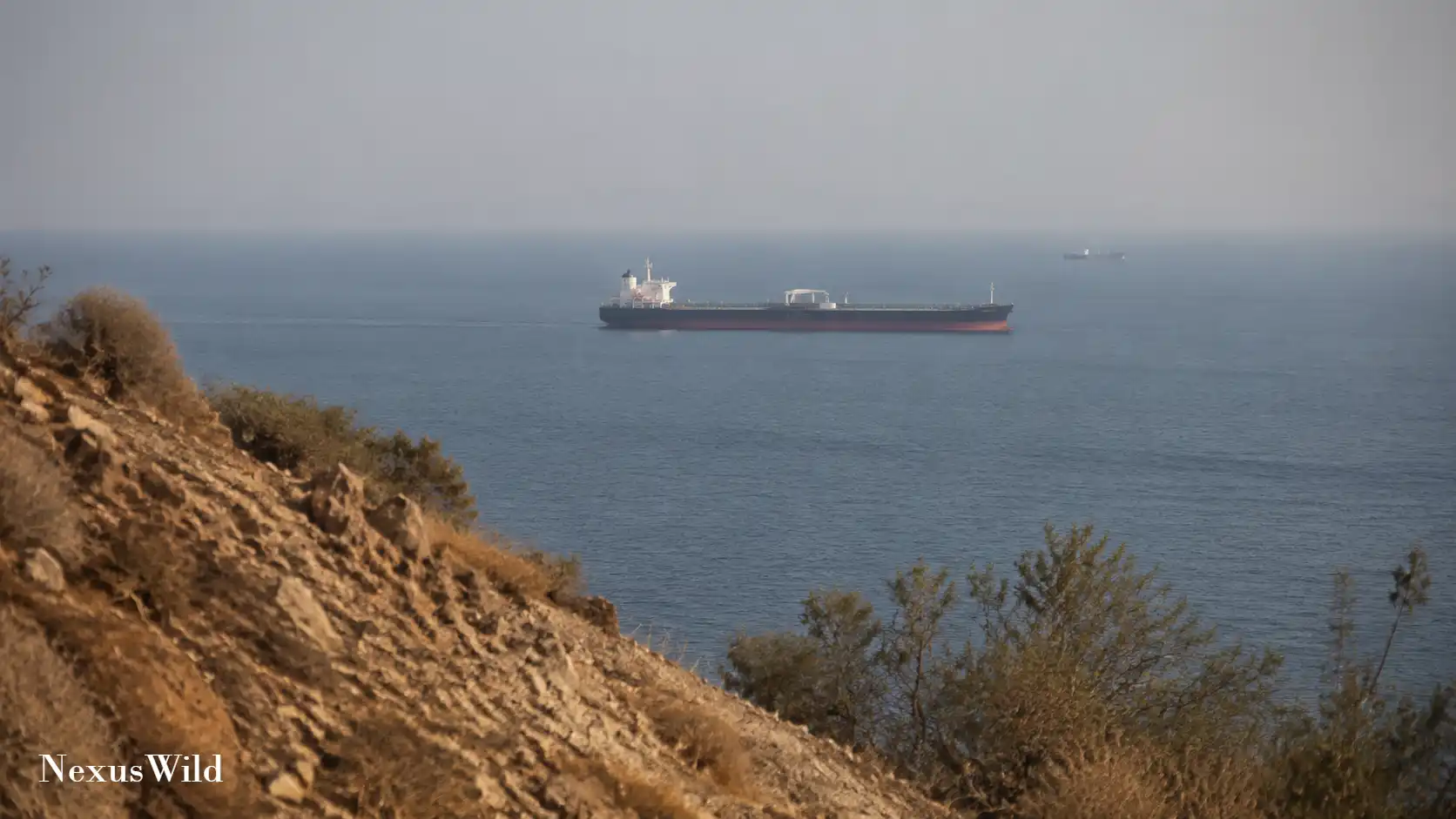
US Central Command chief Admiral Brad Cooper said Thursday that American forces had cleared Iranian sea mines from the strait's internationally recognized shipping lanes, calling it a "major milestone," and that nearly 1,500 vessels carrying about 750 million barrels of crude had transited under US protection. But actual commercial traffic remains far below normal: five vessels transited Thursday, down from 17 the previous day and below the 10-day average of about 15, according to Kpler data cited by Reuters, compared with a pre-war 2025 average of roughly 138 transits daily. A tanker was struck by an unidentified projectile while transiting the strait on August 25, though no injuries were reported.
Before the war, the strait carried roughly one-fifth of global oil and LNG shipments. Brent crude traded near $88 a barrel Friday. Normal commercial traffic is unlikely to resume until Iran's formal conditions are published, the Iran-Oman corridor is finalized, and broader US-Iran talks restart.
Further reading and useful links
Reader questions
Frequently asked questions
What are Iran's conditions for reopening the Strait of Hormuz?
According to Mohsen Rezaei, conditions include an end to the regional war, a ceasefire in Gaza, an Israeli withdrawal from Lebanon, and a halt to strikes on Syria, though an official finalized list has not yet been published.
What is the status of the Iran-Oman shipping corridor?
Iran and Oman have agreed in principle on a temporary shipping corridor running through their respective waters using a central channel, but details regarding revenue sharing and traffic management are still being finalized.
Is commercial shipping returning to normal in the Strait of Hormuz?
No. Despite the US stating it has cleared sea mines from internationally recognized lanes, commercial traffic remains far below the pre-war 2025 average of 138 daily transits, with only a handful of vessels crossing recently.
Nexuswild welcomes factual corrections. Email contact@nexuswild.com with evidence and the article URL.